U.
HomeRegionsLanguagesEmotionsCollections
Find Your Word

“The limits of my language mean the limits of my world.”

— Ludwig Wittgenstein, Philosopher

Untranslatable

A curated collection of the world's most beautiful expressions—words that remind us language is humanity's greatest invention.

  • Home
  • Collections
  • Regions
  • Countries
  • Emotions
  • Tags
  • Contexts
  • Finder
  • Europe
  • Asia
  • Americas
  • Africa
  • Middle East
  • About
  • Contact
  • Privacy Policy
  • Terms of Service

2026 © Untranslatable. All rights reserved.

    /
    /
    1. Home
    2. /
    3. Middle East
    4. /
    5. Moshav
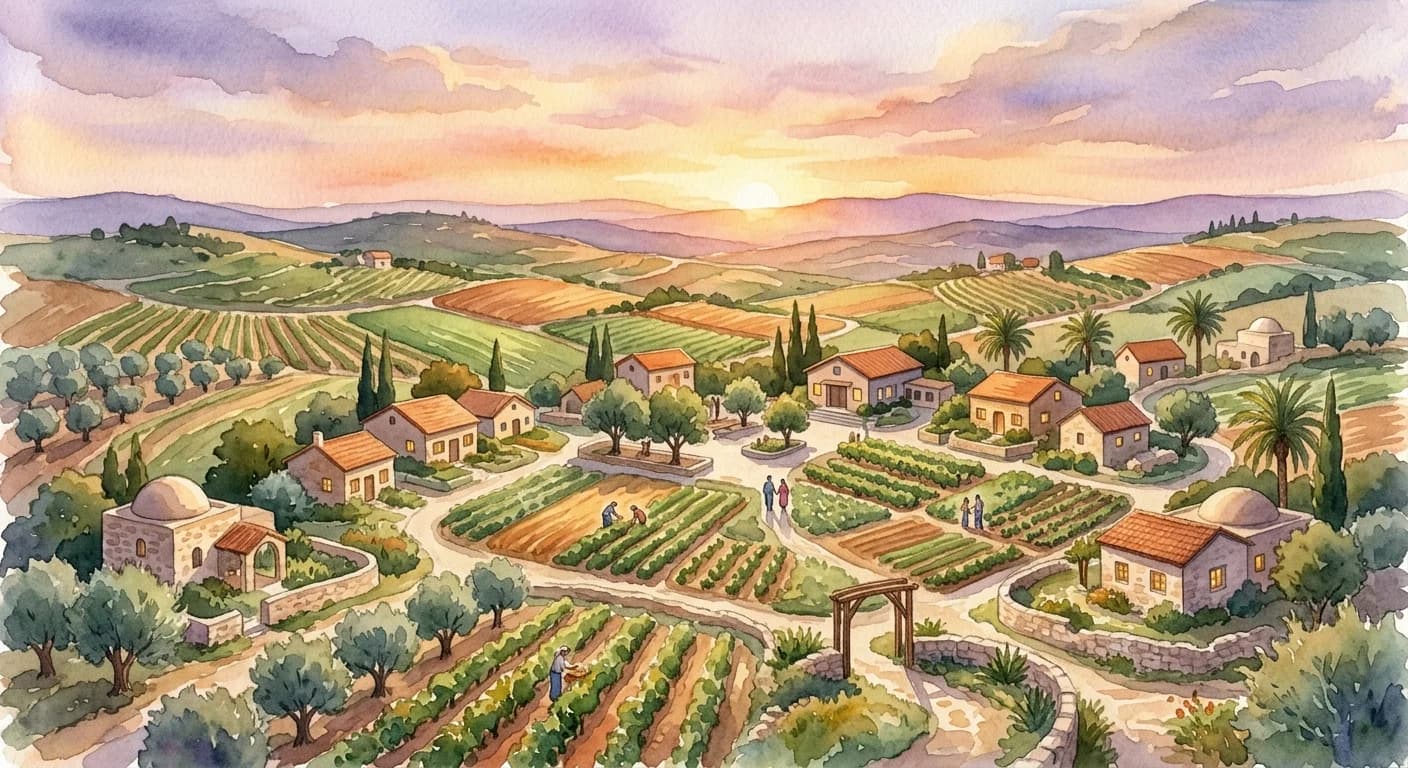
    Artistic representation of Moshav
    Hebrew•
    🇮🇱Israel

    Moshav

    /moh-SHAHV/

    Meaning

    A Moshav is a vibrant Israeli agricultural community, meticulously designed to balance individual enterprise with collective welfare. Each family cultivates its own plot and manages its own household, fostering a deep sense of personal ownership and responsibility. Yet, they are intrinsically linked by shared services, cooperative marketing, and mutual aid, creating a resilient social fabric where neighbors support one another through life's challenges and triumphs. It's a living testament to the pioneering spirit of early Zionist settlers, adapting traditional communal values to modern economic realities.

    Literal Translation

    settlement, dwelling place

    The Story Behind the Word

    The Moshav emerged in the early 20th century as a unique response to the Zionist ideal of 'redeeming the land' and establishing a self-sufficient Jewish homeland. Unlike the more purely communal Kibbutz, the Moshav offered a middle ground, appealing to those who sought agricultural labor and a pioneering lifestyle but desired to maintain private family life and economic independence. Its philosophy is deeply rooted in Jewish values of mutual responsibility (arevut hadadit) and social justice, combined with a pragmatic approach to land settlement. It reflects a commitment to democratic principles, with members actively participating in community governance. The Moshav embodies a foundational Israeli ethos of building a nation from the ground up, emphasizing hard work, collective strength, and a profound connection to the land.

    Experience It

    Harvest Day Cooperation

    The sun beat down on the avocado groves, signaling a busy harvest day. Shoshana, a moshav member, found her tractor had a flat tire. Within minutes, her neighbor, Avi, arrived with his tools, ready to help, knowing that collective success depended on each family's ability to bring in their yield efficiently.

    Community Meeting

    At the weekly moshav meeting, residents debated the budget for the new community center. While each family had their own financial concerns, they ultimately voted on a plan that balanced individual contributions with the long-term benefit for all, demonstrating their commitment to shared amenities and collective decision-making.

    The Deeper Meaning

    The Moshav encapsulates a profound philosophy of 'constructive individualism' – the belief that individual prosperity is inextricably linked to the well-being of the community. It posits that true freedom and success are not found in isolation, but through active participation in a supportive collective, where each person's efforts contribute to a greater, shared purpose. It's a practical manifestation of interdependence as a pathway to resilience and flourishing.

    Did You Know?

    The first Moshav, Nahalal, was established in 1921 in the Jezreel Valley, and its circular design was intentionally planned to foster equality and community cohesion.

    How It's Used

    Used to describe a specific type of Israeli agricultural settlement or cooperative village.

    Emotions
    belonging,comfort,gratitude,serenity
    Contexts
    community,family,nature,work
    🇮🇱Israel

    by Sofia Rossi·Written Mar 10, 2026·Updated Apr 3, 2026

    Related Words

    Explore more
    SobremesaSpanish

    Sobremesa is the cherished, often extended period immediately following a meal, particularly lunch or dinner, where diners remain seated at the table to enjoy conversation, coffee, and digest not just the food, but the company itself. It’s a dedicated time for unhurried social bonding, storytelling, and shared laughter, transforming a simple meal into a profound communal experience. Far from just clearing the dishes, sobremesa is an integral part of Spanish social life, often lasting for hours.

    Pura vidaSpanish

    More than just 'pure life,' "Pura vida" encapsulates a profound philosophy of embracing the present moment with unwavering optimism and gratitude. It's a daily commitment to finding joy in simple pleasures, accepting life's challenges with a positive spirit, and prioritizing well-being over material possessions. This ubiquitous phrase reflects a national identity built on resilience, community, and an deep appreciation for nature's bounty.

    UbuntuZulu/Xhosa

    Ubuntu is a profound African philosophy that translates to 'I am because we are,' signifying that an individual's humanity is inextricably linked to the humanity of others. It embodies the belief that our existence and well-being are deeply intertwined with the community. This concept emphasizes compassion, reciprocity, dignity, and the understanding that true fulfillment is found not in isolation, but through collective flourishing and mutual support. It's a call to recognize and affirm the humanity in everyone, fostering a sense of interconnectedness.

    TarofPersian

    Tarof is a deeply ingrained Iranian social custom, a delicate dance of politeness and deference where individuals engage in an elaborate exchange of offers and refusals. It's a performative humility, a way of showing respect and avoiding imposing, often involving multiple cycles of insistence and polite decline before a genuine acceptance or refusal is reached. This intricate ritual governs interactions from sharing food to paying bills, creating a nuanced social ballet.