Haggadah
/HAH-gah-dah/
Meaning
The Haggadah is far more than a book; it is the vibrant, interactive script for the Passover Seder, a foundational ritual in Jewish life. It orchestrates the retelling of the Exodus from Egyptian slavery, transforming an ancient historical event into a living experience. Through questions, songs, and symbolic foods, it compels every participant, especially children, to viscerally feel the journey from bondage to freedom, ensuring the narrative and its profound lessons are eternally relevant and deeply personal.
Literal Translation
Telling
The Story Behind the Word
The Haggadah embodies the Jewish people's enduring commitment to memory, education, and the transmission of heritage across generations. Its existence underscores a fundamental belief that freedom is not merely a historical event but an ongoing process of liberation, requiring perpetual vigilance and gratitude. The very act of 'telling' (haggadah) is a sacred command, ensuring that the foundational narrative of redemption shapes individual and collective identity. It reveals a culture that values shared experience, active participation, and the power of narrative to connect past, present, and future, fostering resilience and a profound sense of belonging.
Experience It
Family Seder Night
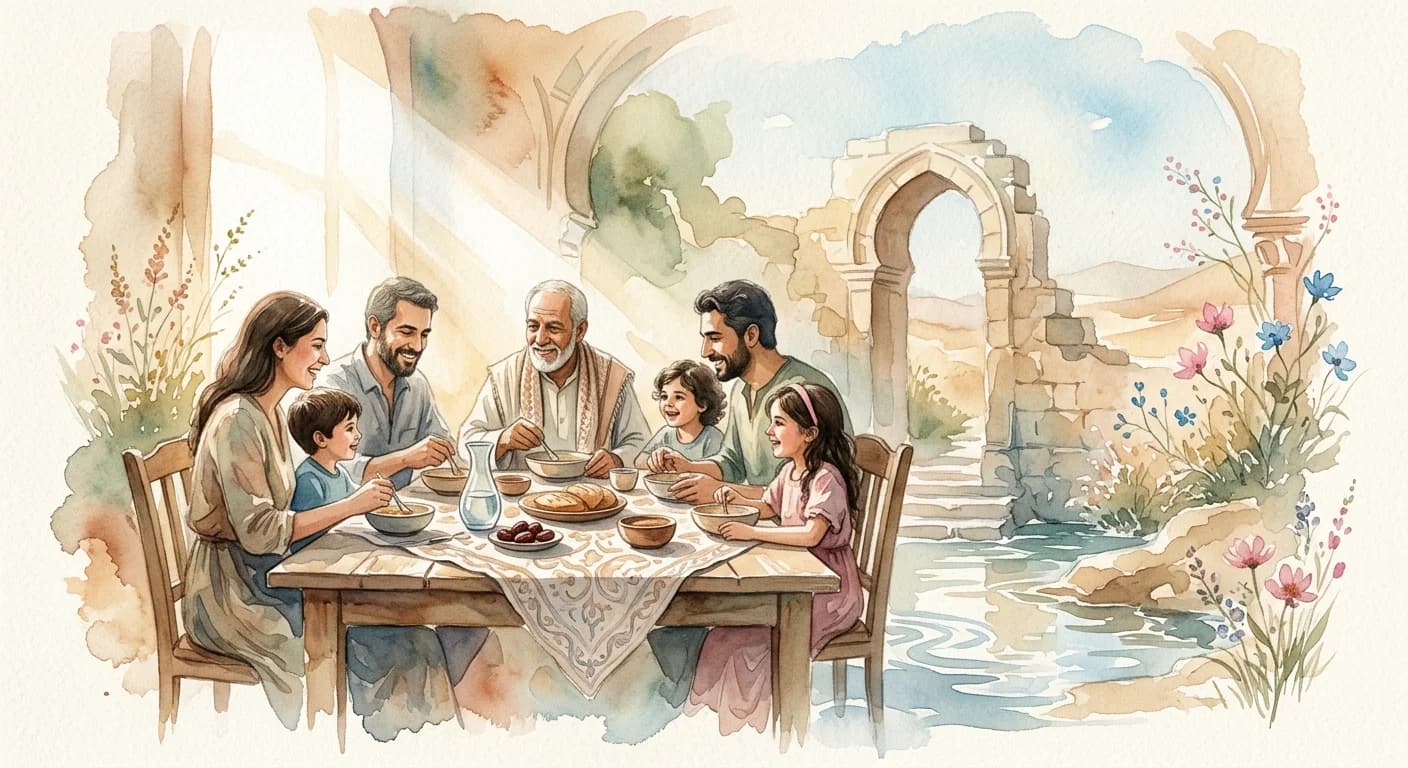
At the Seder table, young Maya, clutching her illustrated Haggadah, eagerly asks the 'Four Questions.' Her grandfather beams, guiding her through the ancient text, explaining how each symbol on the Seder plate connects to their ancestors' journey to freedom. The Haggadah acts as their shared roadmap, making the story come alive.
Community Gathering
In a crowded synagogue hall, diverse families gather, each with their own Haggadah open. The rabbi leads them through the core prayers and stories, but individuals take turns reading sections, sharing insights, and singing together. The Haggadah unites them in a collective act of remembrance and celebration, fostering a strong sense of communal identity.
The Deeper Meaning
The Haggadah encapsulates a profound philosophy that memory is not passive recall but active re-enactment. It teaches that freedom is a responsibility, not just a gift, and that personal liberation is intertwined with collective historical experiences. It underscores the power of narrative to shape identity, instill values, and ensure the continuous relevance of ancient truths for contemporary life.
Did You Know?
The oldest surviving complete Haggadah manuscript dates back to the 10th century, though fragments are even older, showcasing its incredible longevity and continuous use throughout Jewish history.
How It's Used
Read aloud and discussed during the Passover Seder meal.