Kaddish
/KAH-dish/
Meaning
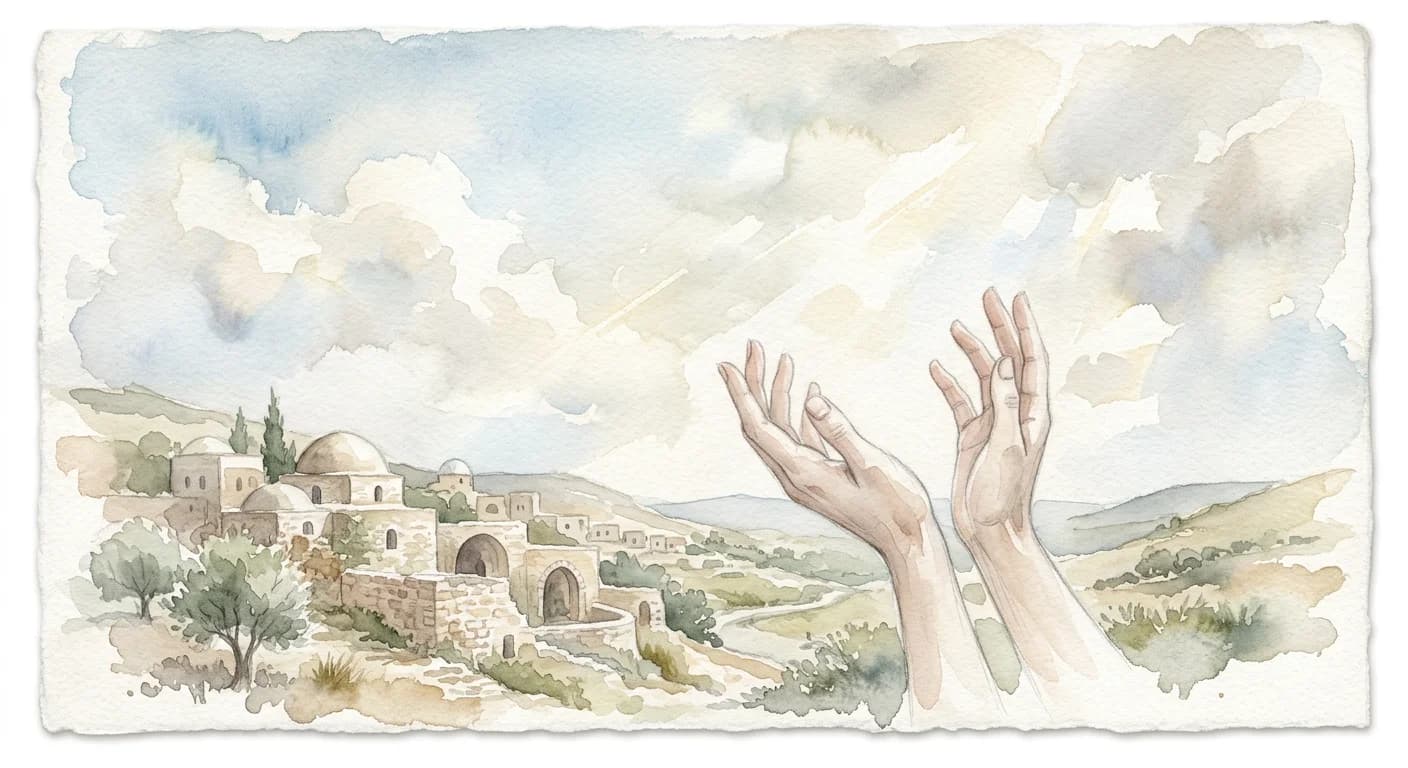
The Kaddish is a profound Aramaic prayer, a sacred Jewish affirmation of divine majesty and cosmic order, even when confronted with the crushing weight of loss. Far from being a prayer *for* the dead, it serves as a powerful declaration of God's enduring sovereignty, transforming personal grief into a communal act of faith and spiritual resilience. Its recitation by mourners, supported by the community, honors the departed while simultaneously re-centering the living within a framework of divine purpose and eternal hope, emphasizing the unbroken chain of life and spiritual continuity.
Literal Translation
Sanctification
The Story Behind the Word
The Kaddish's endurance for over a millennium speaks to its deep resonance within Jewish identity and its profound understanding of human grief. Originating in ancient academies as a doxology, its association with mourning solidified in the early medieval period. Its Aramaic text, the vernacular of Jews for centuries, made it intimately accessible. The Kaddish reveals a worldview where even in sorrow, one is called to praise the Creator, suggesting that faith is not merely for times of joy but is most potent in adversity. This practice underscores the Jewish communal imperative: no one grieves alone. The act of reciting Kaddish for a deceased parent is considered one of the highest forms of honoring them, a testament to the enduring bond between generations and the belief that spiritual acts of the living can bring merit to the departed soul.
Experience It
Shiva Home Comfort
At Sarah's father's Shiva, the living room is filled with family and friends. As the sun sets, a Minyan forms. Sarah, her voice trembling but resolute, leads the Kaddish, her brothers standing beside her, their shared recitation a beacon of unity and faith amidst their profound sorrow.
Yahrzeit Remembrance
David arrives at synagogue on the anniversary of his grandmother's passing. As the congregation concludes services, he steps forward. With the community's quiet support, he recites the Kaddish, his voice clear and steady, a yearly tribute to her memory and a reaffirmation of his enduring spiritual connection.
The Deeper Meaning
The Kaddish embodies a profound philosophy of radical acceptance and spiritual defiance. It teaches that even when life shatters, and the natural human inclination is to question or despair, the ultimate response is to affirm divine greatness. This isn't passive resignation but an active re-centering of self within a larger, benevolent cosmic order. It posits that true faith is found in praising God not despite suffering, but often *through* it, transforming personal anguish into a communal act of sanctification and enduring hope.
Did You Know?
There are actually several versions of the Kaddish, including a 'Half Kaddish' and a 'Full Kaddish,' each recited at different points during prayer services, not just for mourning!
How It's Used
Recited by mourners during the traditional mourning period (Shiva) and on the anniversary of a death (Yahrzeit). It is typically recited in a synagogue or a minyan (a quorum of ten Jewish adults).