U.
HomeRegionsLanguagesEmotionsCollections
Find Your Word

“The limits of my language mean the limits of my world.”

— Ludwig Wittgenstein, Philosopher

Untranslatable

A curated collection of the world's most beautiful expressions—words that remind us language is humanity's greatest invention.

  • Home
  • Collections
  • Regions
  • Countries
  • Emotions
  • Tags
  • Contexts
  • Finder
  • Europe
  • Asia
  • Americas
  • Africa
  • Middle East
  • About
  • Contact
  • Privacy Policy
  • Terms of Service

2026 © Untranslatable. All rights reserved.

    /
    /
    1. Home
    2. /
    3. Middle East
    4. /
    5. Amidah
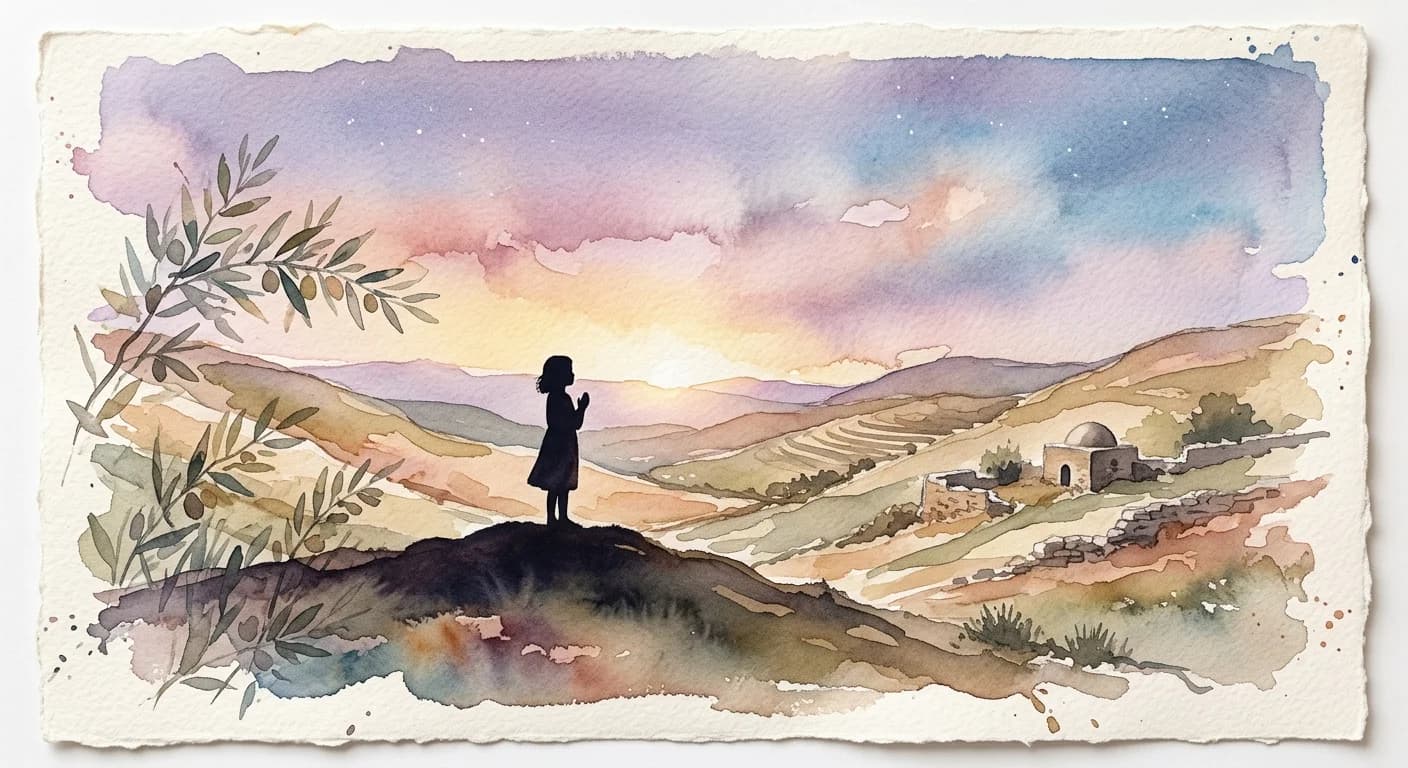
    Artistic representation of Amidah
    Hebrew•
    🇮🇱Israel

    Amidah

    /ah-mee-DAH/

    Meaning

    The Amidah, often called the Shemoneh Esrei, is the silent, standing prayer that forms the spiritual bedrock of Jewish worship. Recited thrice daily, its nineteen blessings are a profound, direct dialogue with the Divine, encompassing petitions for wisdom, health, peace, and redemption, alongside expressions of gratitude and praise. It's a structured yet intensely personal encounter, where each worshipper stands before God, articulating both communal needs and individual yearnings, fostering a deep sense of connection and dependence.

    Literal Translation

    Standing

    The Story Behind the Word

    The Amidah's origins trace back to the Second Temple period, evolving as a replacement for the sacrificial cult after its destruction, becoming the 'service of the heart.' Its very name, 'standing,' signifies the posture of reverence and direct address to God, reminiscent of a servant before a king. It encapsulates the Jewish belief in a personal God who listens and responds to prayer, emphasizing collective responsibility through its communal blessings, while also allowing for individual introspection. It reflects a worldview where spiritual life is woven into daily existence, a constant seeking of divine presence and guidance, and a recognition of human vulnerability and dependence.

    Experience It

    Morning Serenity

    Sarah closes her eyes, her lips moving almost imperceptibly as she sways gently. Amidst the morning rush, she finds a quiet corner, performing the Amidah, pouring out her hopes and fears for the day ahead, feeling a profound sense of peace settle over her.

    Community United

    In the synagogue, the congregation rises as one, a soft murmur filling the air. Each person stands in their own space, yet collectively, they recite the Amidah, their individual prayers converging into a powerful communal plea for healing, justice, and peace for Israel and the world.

    The Deeper Meaning

    The Amidah reveals a core Jewish philosophical insight: that humanity's highest calling is to engage in continuous, direct dialogue with the Creator. It posits that prayer is not merely asking, but a transformative act of self-placement before the Divine, acknowledging dependence, expressing gratitude, and actively participating in the ongoing work of perfecting the world through seeking divine attributes like justice, healing, and peace. It's a profound statement on human agency within a divinely ordered universe.

    Did You Know?

    Though often called Shemoneh Esrei ('Eighteen'), the Amidah actually contains nineteen blessings. The nineteenth blessing, a prayer against heretics, was added later in response to early sectarian divisions.

    How It's Used

    Recited during daily Jewish prayer services (Shacharit, Mincha, and Ma'ariv). It is the most important part of the Jewish liturgy.

    Emotions
    gratitude,hope,longing,peace
    Contexts
    community,religion
    🇮🇱Israel

    by Dr. Kenji Tanaka·Written Mar 10, 2026·Updated Apr 3, 2026

    Related Words

    Explore more
    Dolce far nienteItalian

    Dolce far niente captures the profound joy and effortless pleasure derived from simply existing without obligation or purpose. It's the art of savoring moments of pure, unadulterated idleness – lying in the sun, watching the clouds drift, or enjoying a leisurely coffee – not as a break from work, but as a valuable state in itself. This 'sweetness of doing nothing' is a conscious embrace of stillness and contentment, allowing the soul to breathe and the senses to fully engage with the present.

    Pura vidaSpanish

    More than just 'pure life,' "Pura vida" encapsulates a profound philosophy of embracing the present moment with unwavering optimism and gratitude. It's a daily commitment to finding joy in simple pleasures, accepting life's challenges with a positive spirit, and prioritizing well-being over material possessions. This ubiquitous phrase reflects a national identity built on resilience, community, and an deep appreciation for nature's bounty.

    MamihlapinatapaiYaghan

    Mamihlapinatapai encapsulates that profound, unspoken moment when two individuals lock eyes, each silently acknowledging a mutual desire or intention, yet both hesitate to be the first to act upon it. It's a delicate dance of anticipation, a shared gaze brimming with common understanding and a quiet longing for the other to break the ice. This intricate look carries the weight of a shared, uninitiated potential, a silent conversation where both parties are perfectly aware of what could happen, but neither makes the first move.

    TarofPersian

    Tarof is a deeply ingrained Iranian social custom, a delicate dance of politeness and deference where individuals engage in an elaborate exchange of offers and refusals. It's a performative humility, a way of showing respect and avoiding imposing, often involving multiple cycles of insistence and polite decline before a genuine acceptance or refusal is reached. This intricate ritual governs interactions from sharing food to paying bills, creating a nuanced social ballet.