U.
HomeRegionsLanguagesEmotionsCollections
Find Your Word

“The limits of my language mean the limits of my world.”

— Ludwig Wittgenstein, Philosopher

Untranslatable

A curated collection of the world's most beautiful expressions—words that remind us language is humanity's greatest invention.

  • Home
  • Collections
  • Regions
  • Countries
  • Emotions
  • Tags
  • Contexts
  • Finder
  • Europe
  • Asia
  • Americas
  • Africa
  • Middle East
  • About
  • Contact
  • Privacy Policy
  • Terms of Service

2026 © Untranslatable. All rights reserved.

    /
    /
    1. Home
    2. /
    3. Middle East
    4. /
    5. Şevbêrk
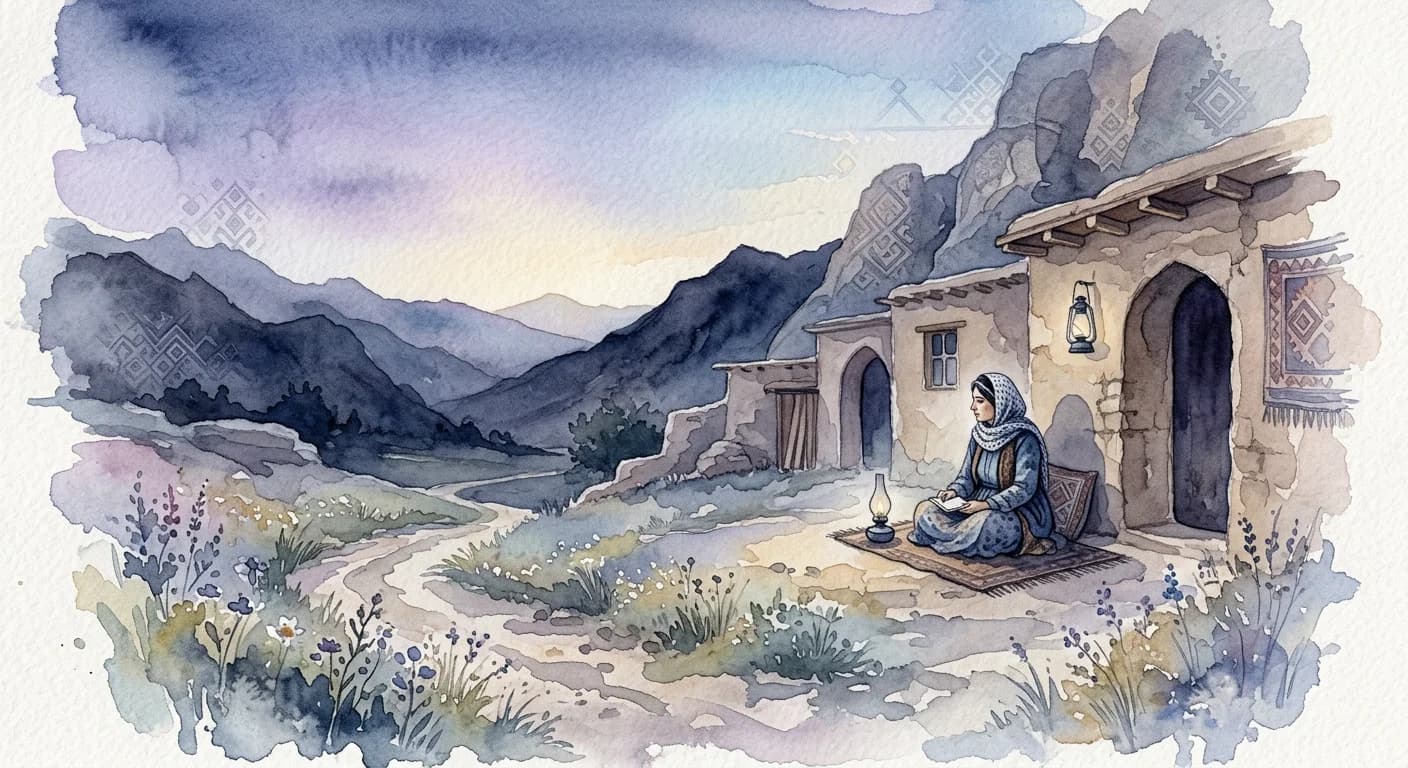
    Artistic representation of Şevbêrk
    Kurdish•
    🇮🇷Iran🇮🇶Iraq🇸🇾Syria🇹🇷Turkey

    Şevbêrk

    /shev-BERK/

    Meaning

    Şevbêrk denotes the profound and hushed interval between the deepest hours of night and the first, faint whisper of dawn. It's more than just a time; it's an atmospheric state—a tranquil, almost sacred silence that encourages profound introspection and spiritual connection. This liminal period is culturally cherished as a moment for prayer, contemplation, or simply experiencing the world in its most undisturbed, pristine state before the day's demands awaken. It beautifully encapsulates a unique sense of serene peace, subtly imbued with the quiet anticipation of a new beginning.

    Literal Translation

    Night-gap / Night-break

    The Story Behind the Word

    The existence of "Şevbêrk" in Kurdish culture is deeply rooted in a traditional, agrarian lifestyle where the rhythms of nature dictated daily life, and the pre-dawn hours held immense practical and spiritual significance. For centuries, this was a time for farmers to prepare for the fields, for women to begin baking bread, and crucially, for devout Muslims to perform the Fajr prayer, a cornerstone of Islamic faith. Beyond religious observance, Şevbêrk embodies a cultural appreciation for stillness and reflection, a counterpoint to the often harsh realities of life in the region. It reveals a worldview that values internal peace and connection to the natural world, recognizing the profound power of transitional moments. The quietude of Şevbêrk offered a sanctuary for thought, planning, and spiritual rejuvenation, shaping the collective psyche and fostering resilience.

    Experience It

    A Poet's Solace

    Under the pale, nascent light of şevbêrk, the old poet sat by his window, a quill poised over parchment. The world outside was utterly silent, allowing his thoughts to flow unhindered, capturing the fleeting inspirations that only this sacred hour seemed to bring.

    Farmer's Quiet Preparation

    Before the roosters crowed their final call, the farmer would rise for şevbêrk, checking his tools and preparing his mind for the day's arduous work. In the profound stillness, he found a moment of peace and mental clarity before the bustling demands of the farm began.

    The Deeper Meaning

    Şevbêrk embodies a philosophy of intentional pause and heightened awareness, suggesting that true insight often emerges from the quietest moments. It highlights the cultural value placed on introspection and the recognition of life's subtle transitions, viewing the boundary between night and day not as a mere temporal shift, but as a profound space for spiritual and mental renewal, essential for navigating the complexities of existence.

    Did You Know?

    In some traditional Kurdish households, the sounds of preparations during şevbêrk—like grinding coffee or kneading dough—were considered a comforting sign of life and readiness for the new day.

    How It's Used

    Used to describe the specific time of night just before dawn, often evoking a sense of quiet and reflection.

    Emotions
    melancholy,peace,serenity,wonder
    Contexts
    nature,seasons,solitude
    🇮🇷Iran🇮🇶Iraq🇸🇾Syria🇹🇷Turkey

    by Sofia Rossi·Written Mar 10, 2026·Updated Apr 3, 2026

    Related Words

    Explore more
    SaudadePortuguese

    Saudade encapsulates a profound, melancholic longing for something or someone cherished that is absent, often with the bittersweet knowledge that it may never return. It's a deep emotional state tinged with nostalgia, evoking a sense of loss for past experiences, places, or people, yet also holding a tender appreciation for the beauty of what once was. This yearning is not merely sadness, but a complex tapestry of desire, memory, and a poignant acceptance of absence, holding the beloved in a warm, persistent embrace within the heart.

    Dolce far nienteItalian

    Dolce far niente captures the profound joy and effortless pleasure derived from simply existing without obligation or purpose. It's the art of savoring moments of pure, unadulterated idleness – lying in the sun, watching the clouds drift, or enjoying a leisurely coffee – not as a break from work, but as a valuable state in itself. This 'sweetness of doing nothing' is a conscious embrace of stillness and contentment, allowing the soul to breathe and the senses to fully engage with the present.

    TarofPersian

    Tarof is a deeply ingrained Iranian social custom, a delicate dance of politeness and deference where individuals engage in an elaborate exchange of offers and refusals. It's a performative humility, a way of showing respect and avoiding imposing, often involving multiple cycles of insistence and polite decline before a genuine acceptance or refusal is reached. This intricate ritual governs interactions from sharing food to paying bills, creating a nuanced social ballet.

    TarabArabic

    Tarab is far more than mere enjoyment; it's a profound, almost spiritual communion with music, where the performer and audience become one in a shared emotional journey. It signifies a state of ecstatic enchantment, a deep emotional surrender that transcends the self, leading to a transformative experience. This intense connection often manifests as spontaneous vocalizations, tears, or even physical swaying, as the music penetrates the soul and evokes a powerful release of feeling. It's a moment of pure, unadulterated musical rapture.