U.
HomeRegionsLanguagesEmotionsCollections
Find Your Word

“The limits of my language mean the limits of my world.”

— Ludwig Wittgenstein, Philosopher

Untranslatable

A curated collection of the world's most beautiful expressions—words that remind us language is humanity's greatest invention.

  • Home
  • Collections
  • Regions
  • Countries
  • Emotions
  • Tags
  • Contexts
  • Finder
  • Europe
  • Asia
  • Americas
  • Africa
  • Middle East
  • About
  • Contact
  • Privacy Policy
  • Terms of Service

2026 © Untranslatable. All rights reserved.

    /
    /
    1. Home
    2. /
    3. Asia
    4. /
    5. Boketto
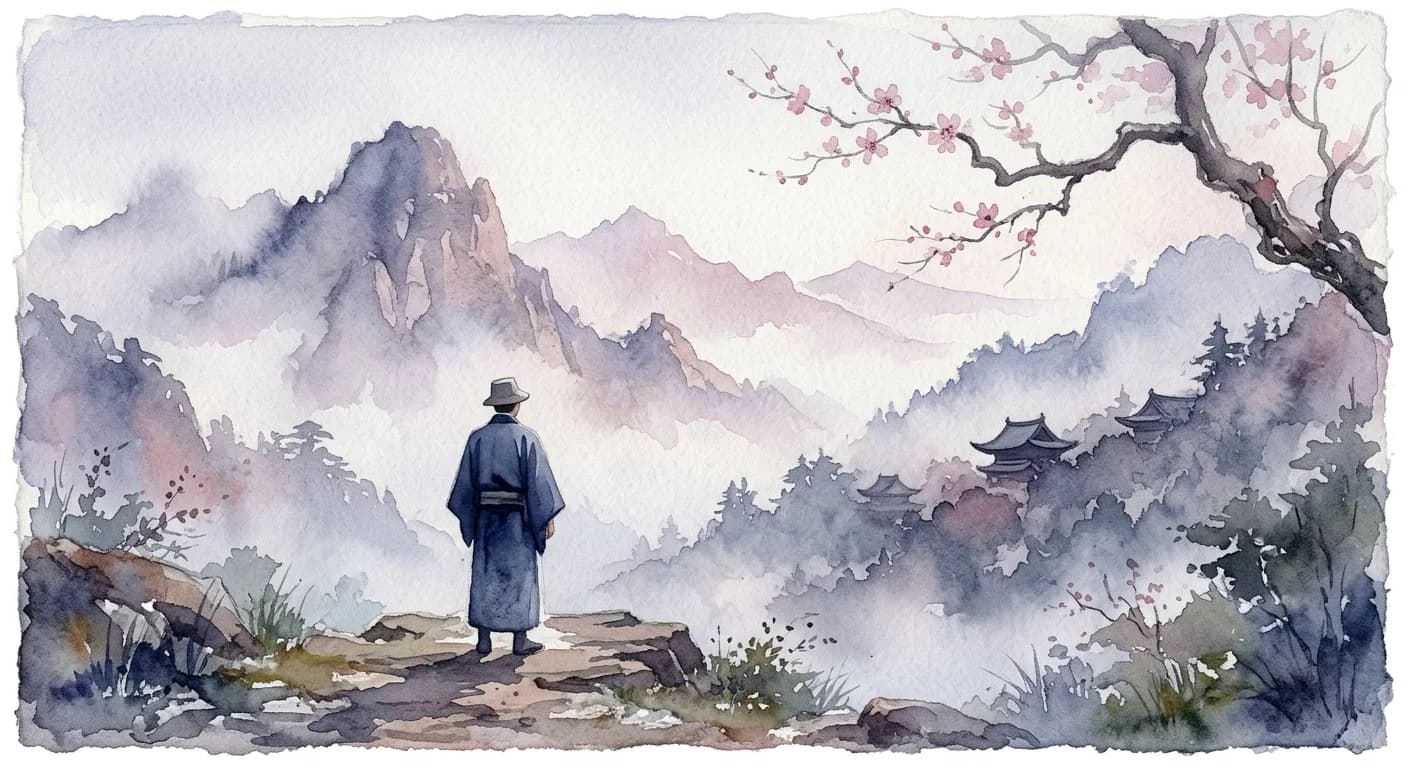
    Artistic representation of Boketto
    Japanese•
    🇯🇵Japan

    Boketto

    /boh-KET-toh/

    Meaning

    Boketto describes the serene act of gazing into the distance, allowing one's mind to gently unfocus and drift without a specific thought or purpose. It's a spontaneous, almost meditative pause where the individual observes the world with a soft, uncritical detachment, momentarily released from the relentless demands of conscious thought and obligation. This state is neither melancholic nor overtly joyful, but rather a neutral, introspective space, embodying a uniquely Japanese appreciation for quietude and the subtle beauty of simply existing in the present moment.

    Literal Translation

    Staring blankly

    The Story Behind the Word

    The existence of 'boketto' in the Japanese lexicon subtly reflects a cultural emphasis on mindfulness, introspection, and an appreciation for the transient beauty of the world, often termed 'mono no aware.' Unlike Western concepts of daydreaming, which can imply distraction or unproductivity, boketto is viewed more neutrally, or even positively, as a moment of mental respite and connection with one's surroundings. It aligns with Zen Buddhist principles of being present and observing without judgment, finding peace in the simple act of observation. This word suggests a cultural acceptance, and perhaps even encouragement, of quiet contemplation as a vital part of a balanced life, a brief escape from the constant pressure to be actively engaged or goal-oriented. It highlights a society that values moments of stillness amidst the bustle, recognizing their intrinsic value for mental well-being and a deeper connection to the natural flow of life.

    Experience It

    Train Window Gaze

    On a long train journey, the salaryman found himself staring out the window, watching the rice fields blur into green and the distant mountains rise. He wasn't thinking about work or his destination, just quietly observing, lost in a perfect state of boketto.

    Cafe Contemplation

    Sitting in a bustling cafe, she held her teacup, her gaze fixed on a point beyond the window, watching the rain fall. Her mind was empty, simply absorbing the ambient sounds and sights, enjoying a moment of boketto before diving back into her book.

    The Deeper Meaning

    Boketto reveals a philosophical acceptance of non-doing and non-thinking as valid and even restorative states of being. It underscores the Japanese appreciation for 'ma' (negative space or pause) not as an absence, but as a meaningful component of existence. This concept suggests that true presence can sometimes be found in the absence of directed thought, allowing for a deeper, more intuitive connection with the immediate environment and one's inner self.

    Did You Know?

    While 'boketto' literally means 'staring blankly,' it carries none of the negative connotations of dullness or mindlessness that 'blankly' might suggest in English; instead, it implies a tranquil mental state.

    How It's Used

    Used to describe the act of staring blankly into space, often when one is tired, relaxed, or simply letting their mind wander.

    Emotions
    peace,serenity,wonder
    Contexts
    relaxation,solitude
    🇯🇵Japan

    by Dr. Kenji Tanaka·Written Mar 14, 2026·Updated Apr 3, 2026

    Related Words

    Explore more
    Dolce far nienteItalian

    Dolce far niente captures the profound joy and effortless pleasure derived from simply existing without obligation or purpose. It's the art of savoring moments of pure, unadulterated idleness – lying in the sun, watching the clouds drift, or enjoying a leisurely coffee – not as a break from work, but as a valuable state in itself. This 'sweetness of doing nothing' is a conscious embrace of stillness and contentment, allowing the soul to breathe and the senses to fully engage with the present.

    Wabi-sabiJapanese

    Wabi-sabi is the profound appreciation for the ephemeral, the imperfect, and the incomplete aspects of existence. It is about discovering beauty in the subtle textures of age, the unique character of flaws, and the gentle decay that marks the passage of time. This philosophy encourages a quiet acceptance of impermanence and a mindful connection to the natural world, finding elegance in simplicity and authenticity.

    IkigaiJapanese

    Ikigai is more than just a reason to get out of bed; it's a deeply personal and evolving sense of purpose that brings genuine fulfillment and joy to one's life. It represents the sweet spot where your passions, talents, needs of the world, and what you can be paid for beautifully converge. Discovering your ikigai often leads to a life lived with intentionality, resilience, and a profound connection to one's contributions. It's the intrinsic motivation that fuels a meaningful existence, regardless of external circumstances.

    NunchiKorean

    Nunchi is the sophisticated, almost telepathic, ability to instantly grasp the unspoken dynamics of any social situation, anticipating others' thoughts and feelings, and then responding with impeccable grace and timing. It's an acute form of social intuition, allowing one to navigate complex interpersonal landscapes by reading subtle cues like body language, tone, and context. Possessing good nunchi means effortlessly understanding the underlying emotional currents and adjusting one's behavior to maintain harmony and effectiveness, often without a single word exchanged.