U.
HomeRegionsLanguagesEmotionsCollections
Find Your Word

“The limits of my language mean the limits of my world.”

— Ludwig Wittgenstein, Philosopher

Untranslatable

A curated collection of the world's most beautiful expressions—words that remind us language is humanity's greatest invention.

  • Home
  • Collections
  • Regions
  • Countries
  • Emotions
  • Tags
  • Contexts
  • Finder
  • Europe
  • Asia
  • Americas
  • Africa
  • Middle East
  • About
  • Contact
  • Privacy Policy
  • Terms of Service

2026 © Untranslatable. All rights reserved.

    /
    /
    1. Home
    2. /
    3. Asia
    4. /
    5. Jai yen
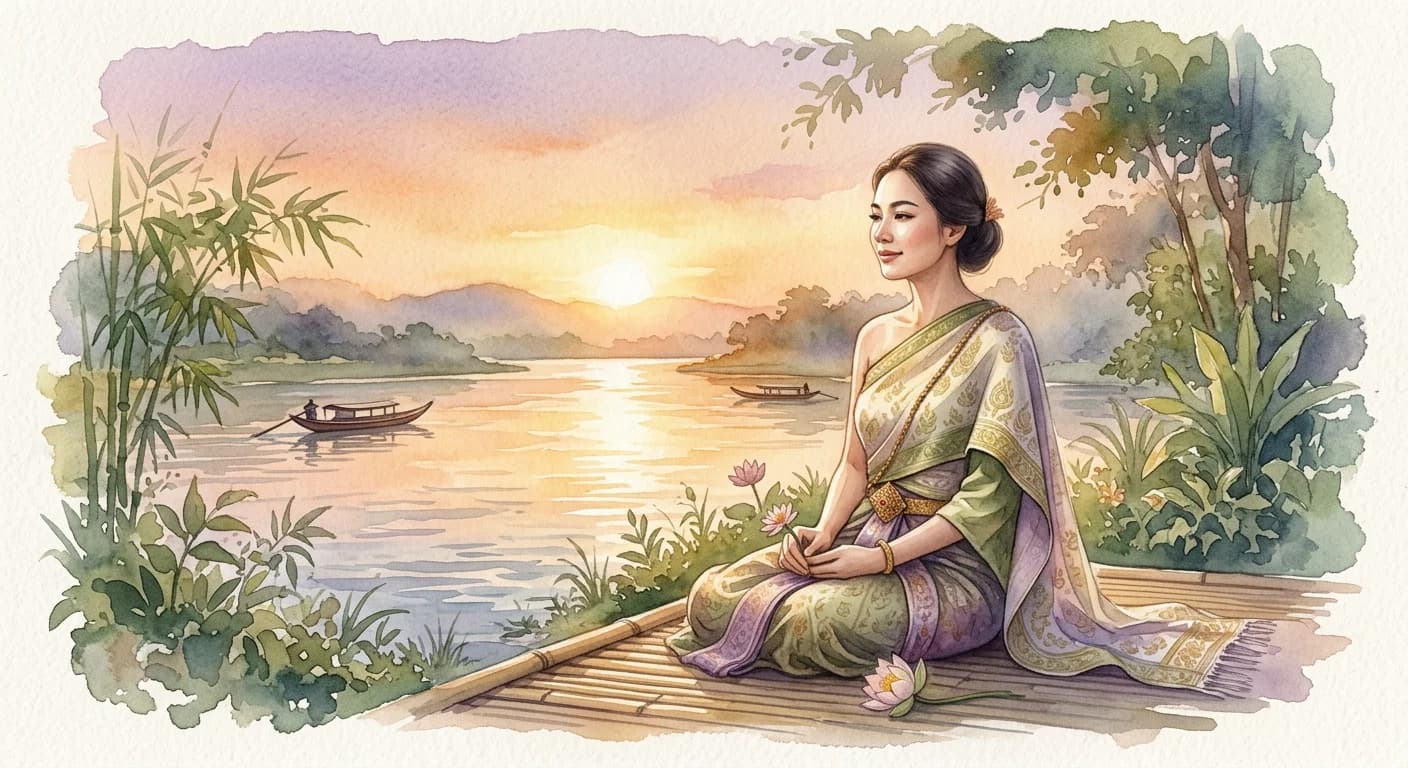
    Artistic representation of Jai yen
    Thai•
    🇹🇭Thailand

    Jai yen

    /JAI-yen/

    Meaning

    Jai yen, literally 'cool heart' or 'cool mind,' describes a profound state of inner tranquility and emotional resilience. It's the art of gracefully navigating life's inevitable challenges without letting anger, frustration, or impatience disrupt one's equilibrium. This deeply revered quality manifests as a gentle demeanor, a calm response to provocation, and a patient, unhurried approach to all endeavors, fostering harmony both within oneself and in social interactions.

    Literal Translation

    cool heart/mind

    The Story Behind the Word

    The concept of jai yen is deeply rooted in Theravada Buddhism, the predominant religion in Thailand. Buddhist teachings emphasize the cultivation of mindfulness, equanimity, and non-attachment to emotions, particularly negative ones like anger (krodha). Practicing jai yen is seen as a path to inner peace and a virtuous way of living that contributes to social cohesion. In a society that highly values 'kreng jai' (deference and consideration for others' feelings) and avoiding direct confrontation, jai yen serves as a crucial social lubricant, preventing conflicts and maintaining harmonious relationships. It's not merely a personal virtue but a societal expectation, reflecting a worldview that prioritizes collective well-being over individual emotional outbursts.

    Experience It

    Traffic Jam Serenity

    A scorching Bangkok afternoon, traffic is gridlocked. Horns blare, but Somchai in the taxi remains unperturbed, humming softly. He shrugs, smiles, and says, 'Jai yen, we'll get there when we get there.' His calm demeanor prevents the frustration from escalating.

    Dealing with Complaints

    A customer is loudly complaining at a market stall. The vendor, instead of arguing, listens patiently, offers a soft apology, and calmly resolves the issue. Her 'jai yen' approach defuses the tension and preserves the customer relationship.

    The Deeper Meaning

    Jai yen embodies a profound philosophy of emotional mastery and acceptance. It suggests that while external circumstances are often beyond our control, our internal reaction to them is a choice. This worldview prioritizes inner peace and social harmony, viewing agitation and anger as destructive forces, both personally and communally. It's a testament to the belief that true strength lies not in aggression, but in a quiet, unwavering resilience of spirit.

    Did You Know?

    The phrase 'jai yen yen' (repeating 'yen') is often used to emphasize the need for extra calm, like telling someone to 'really cool their heart down' during intense situations.

    How It's Used

    Used to describe someone's calm and collected demeanor, especially when faced with provocation or difficulty. It's also a piece of advice given to encourage someone to relax and not get agitated.

    Emotions
    contentment,peace,serenity
    Contexts
    relaxation,social interaction,work
    🇹🇭Thailand

    by Dr. Kenji Tanaka·Written Mar 14, 2026·Updated Apr 3, 2026

    Related Words

    Explore more
    HyggeDanish

    Hygge is more than mere coziness; it's a holistic embrace of comfort, warmth, and belonging that nourishes the soul. It describes the intentional creation of an intimate atmosphere where simple pleasures, genuine connection, and mindful presence converge, fostering a profound sense of contentment and well-being. It's about finding joy and peace in the small, everyday moments, often shared with loved ones.

    Dolce far nienteItalian

    Dolce far niente captures the profound joy and effortless pleasure derived from simply existing without obligation or purpose. It's the art of savoring moments of pure, unadulterated idleness – lying in the sun, watching the clouds drift, or enjoying a leisurely coffee – not as a break from work, but as a valuable state in itself. This 'sweetness of doing nothing' is a conscious embrace of stillness and contentment, allowing the soul to breathe and the senses to fully engage with the present.

    Wabi-sabiJapanese

    Wabi-sabi is the profound appreciation for the ephemeral, the imperfect, and the incomplete aspects of existence. It is about discovering beauty in the subtle textures of age, the unique character of flaws, and the gentle decay that marks the passage of time. This philosophy encourages a quiet acceptance of impermanence and a mindful connection to the natural world, finding elegance in simplicity and authenticity.

    IkigaiJapanese

    Ikigai is more than just a reason to get out of bed; it's a deeply personal and evolving sense of purpose that brings genuine fulfillment and joy to one's life. It represents the sweet spot where your passions, talents, needs of the world, and what you can be paid for beautifully converge. Discovering your ikigai often leads to a life lived with intentionality, resilience, and a profound connection to one's contributions. It's the intrinsic motivation that fuels a meaningful existence, regardless of external circumstances.