U.
HomeRegionsLanguagesEmotionsCollections
Find Your Word

“The limits of my language mean the limits of my world.”

— Ludwig Wittgenstein, Philosopher

Untranslatable

A curated collection of the world's most beautiful expressions—words that remind us language is humanity's greatest invention.

  • Home
  • Collections
  • Regions
  • Countries
  • Emotions
  • Tags
  • Contexts
  • Finder
  • Europe
  • Asia
  • Americas
  • Africa
  • Middle East
  • About
  • Contact
  • Privacy Policy
  • Terms of Service

2026 © Untranslatable. All rights reserved.

    /
    /
    1. Home
    2. /
    3. Asia
    4. /
    5. Kachoufuugetsu
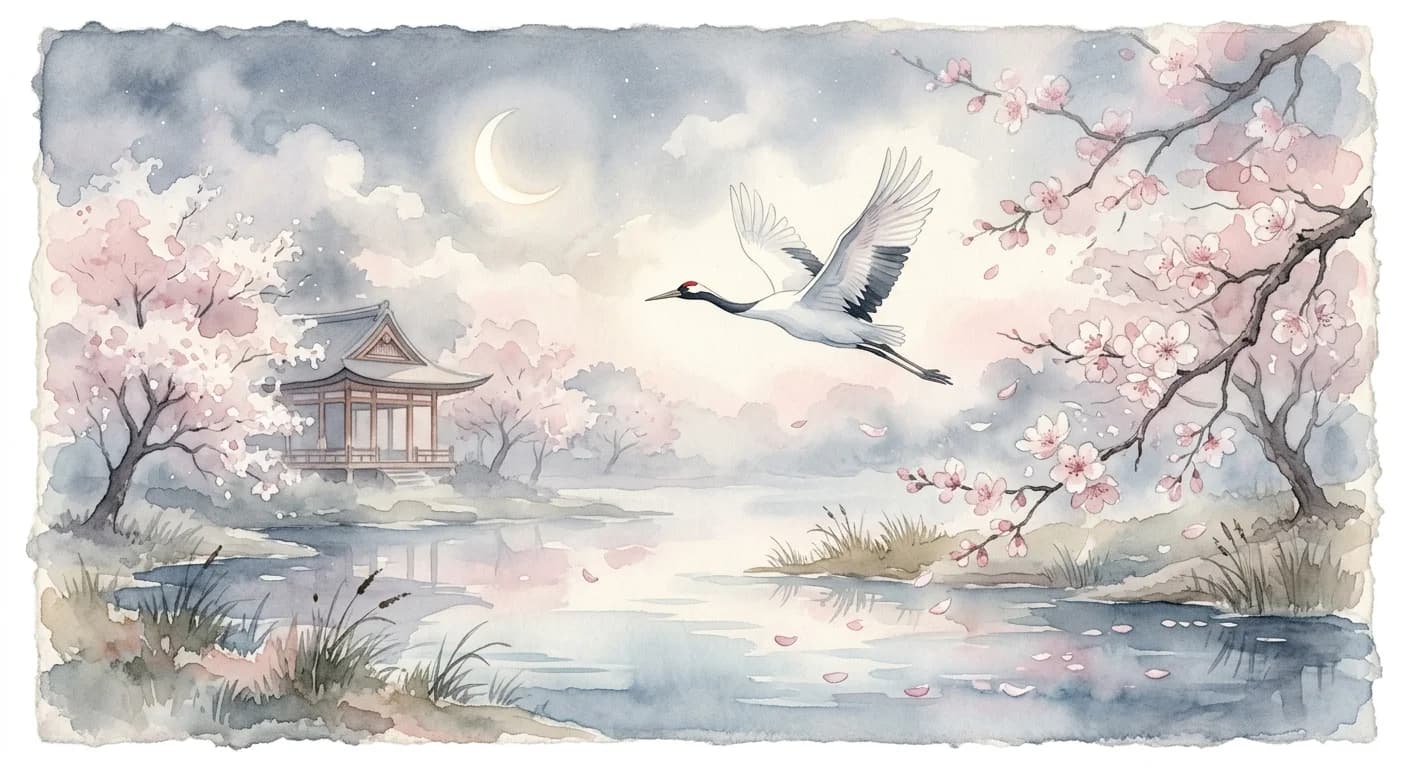
    Artistic representation of Kachoufuugetsu
    Japanese•
    🇯🇵Japan

    Kachoufuugetsu

    /kah-CHOH-foo-GETS-oo/

    Meaning

    Kachoufuugetsu encapsulates the profound, almost spiritual, appreciation for the fleeting beauty inherent in the natural world, specifically focusing on the exquisite harmony of flowers, birds, wind, and the moon. It's not merely observation, but an immersive experience that stirs deep emotion and a contemplative joy within the soul. This concept embodies a fundamental pillar of Japanese aesthetics, celebrating the transient elegance and subtle grace found in nature's ephemeral dance, inviting one to find solace and beauty in their ever-changing forms.

    Literal Translation

    Flower-Bird-Wind-Moon

    The Story Behind the Word

    The concept of Kachoufuugetsu is deeply rooted in Japan's historical reverence for nature, influenced by Shintoism's animistic beliefs and the contemplative aspects of Buddhism, particularly Zen. For centuries, poets, artists, and philosophers have sought to capture and express this aesthetic, seeing nature not as something to be conquered, but as a teacher and a source of profound inspiration. It reflects a worldview where humans are an integral part of the natural cycle, and finding beauty in transience (mono no aware) and imperfection (wabi-sabi) is paramount. This concept reveals a culture that values sensory experience, subtle observation, and a quiet introspection, recognizing the profound emotional resonance that the natural world can evoke.

    Experience It

    Poetic Inspiration

    An elderly haiku master sits on his veranda, observing cherry blossoms fall in the gentle breeze as a nightingale sings from a nearby branch, the sliver of a moon just visible. He feels a profound sense of kachoufuugetsu, inspiring him to pen a verse that captures the bittersweet beauty of the fleeting moment.

    Artistic Contemplation

    A young artist sketches by a riverbank, mesmerized by the way the wind ripples the water's surface, reflecting the soft light of the evening sky and the silhouettes of distant birds. She aims to infuse her landscape painting not just with visual accuracy, but with the deep emotional resonance of kachoufuugetsu she feels.

    The Deeper Meaning

    This word reveals a philosophy that champions mindful presence and the appreciation of impermanence. It suggests that true beauty often lies in transience and that by deeply engaging with the natural world, one can achieve a state of inner peace and profound connection. It underscores the idea that life's most exquisite moments are often fleeting, urging us to savor them.

    Did You Know?

    Kachoufuugetsu is often used in martial arts to describe the 'flow' or 'rhythm' of nature that a practitioner should strive to embody, moving with the same effortless grace as the wind or water.

    How It's Used

    Used to describe the appreciation of nature's beauty, often in art, poetry, or personal reflection.

    Emotions
    joy,peace,serenity,wonder
    Contexts
    nature,relaxation,seasons
    🇯🇵Japan

    by Kwame Nkrumah·Written Mar 14, 2026·Updated Apr 3, 2026

    Related Words

    Explore more
    Dolce far nienteItalian

    Dolce far niente captures the profound joy and effortless pleasure derived from simply existing without obligation or purpose. It's the art of savoring moments of pure, unadulterated idleness – lying in the sun, watching the clouds drift, or enjoying a leisurely coffee – not as a break from work, but as a valuable state in itself. This 'sweetness of doing nothing' is a conscious embrace of stillness and contentment, allowing the soul to breathe and the senses to fully engage with the present.

    Wabi-sabiJapanese

    Wabi-sabi is the profound appreciation for the ephemeral, the imperfect, and the incomplete aspects of existence. It is about discovering beauty in the subtle textures of age, the unique character of flaws, and the gentle decay that marks the passage of time. This philosophy encourages a quiet acceptance of impermanence and a mindful connection to the natural world, finding elegance in simplicity and authenticity.

    IkigaiJapanese

    Ikigai is more than just a reason to get out of bed; it's a deeply personal and evolving sense of purpose that brings genuine fulfillment and joy to one's life. It represents the sweet spot where your passions, talents, needs of the world, and what you can be paid for beautifully converge. Discovering your ikigai often leads to a life lived with intentionality, resilience, and a profound connection to one's contributions. It's the intrinsic motivation that fuels a meaningful existence, regardless of external circumstances.

    NunchiKorean

    Nunchi is the sophisticated, almost telepathic, ability to instantly grasp the unspoken dynamics of any social situation, anticipating others' thoughts and feelings, and then responding with impeccable grace and timing. It's an acute form of social intuition, allowing one to navigate complex interpersonal landscapes by reading subtle cues like body language, tone, and context. Possessing good nunchi means effortlessly understanding the underlying emotional currents and adjusting one's behavior to maintain harmony and effectiveness, often without a single word exchanged.