U.
HomeRegionsLanguagesEmotionsCollections
Find Your Word

“The limits of my language mean the limits of my world.”

— Ludwig Wittgenstein, Philosopher

Untranslatable

A curated collection of the world's most beautiful expressions—words that remind us language is humanity's greatest invention.

  • Home
  • Collections
  • Regions
  • Countries
  • Emotions
  • Tags
  • Contexts
  • Finder
  • Europe
  • Asia
  • Americas
  • Africa
  • Middle East
  • About
  • Contact
  • Privacy Policy
  • Terms of Service

2026 © Untranslatable. All rights reserved.

    /
    /
    1. Home
    2. /
    3. Middle East
    4. /
    5. Qadr
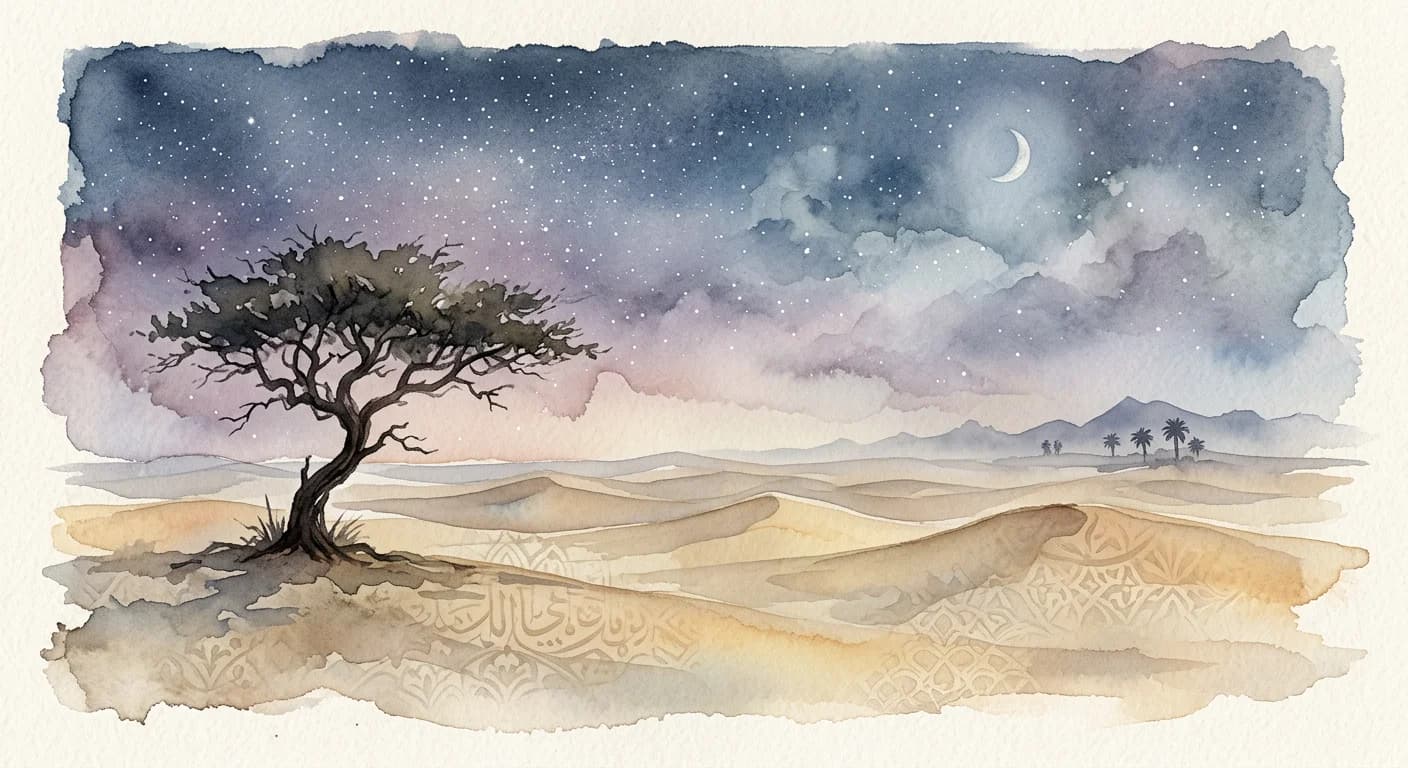
    Artistic representation of Qadr
    Arabic•
    🇩🇿Algeria🇧🇭Bahrain🇪🇬Egypt🇮🇶Iraq🇯🇴Jordan🇰🇼Kuwait🇱🇧Lebanon🇲🇦Morocco🇴🇲Oman🇵🇸Palestine🇶🇦Qatar🇸🇦Saudi Arabia🇸🇩Sudan🇸🇾Syria🇹🇳Tunisia🇦🇪United Arab Emirates🇾🇪Yemen

    Qadr

    /KAH-dr/

    Meaning

    Qadr encapsulates the profound Islamic doctrine of divine decree, signifying that God, in His infinite wisdom and knowledge, has preordained all events. It's far more than mere fatalism; it's a testament to utter reliance on a benevolent Creator, fostering deep patience and resilience in the face of life's trials and triumphs. This concept cultivates a serene acceptance of one's path, viewing every outcome as part of a larger, divinely orchestrated plan, thus bringing solace and inner peace to the believer.

    Literal Translation

    measure, estimation, divine decree, destiny

    The Story Behind the Word

    The concept of Qadr is foundational to Islamic thought and permeates Saudi Arabian culture, shaping individual and societal perspectives on life, death, and destiny. It stems directly from the Quran and Prophetic traditions (Sunnah), where God's absolute sovereignty and knowledge are repeatedly emphasized. This belief provides a framework for understanding suffering and success, encouraging humility, gratitude, and steadfastness. In a culture often exposed to harsh desert environments and historical uncertainties, Qadr offers a psychological anchor, fostering resilience and a deep sense of trust in God's ultimate justice and wisdom, rather than succumbing to despair or hubris. It reveals a worldview where human agency operates within a divine blueprint, emphasizing submission (Islam) as the path to inner tranquility.

    Experience It

    Accepting Life's Turns

    Fatimah's business venture faced an unexpected downturn despite her meticulous planning. Instead of despairing, she reflected, 'Perhaps this is Qadr, and there is wisdom in it I cannot yet see.' She then sought new opportunities with a calm heart, trusting in God's plan.

    Finding Peace in Loss

    When a loved one passed away suddenly, the family grieved deeply but found solace in the belief that it was their time, decreed by Qadr. They recited prayers, finding strength in their faith, accepting that every soul's journey has a divine measure and end.

    The Deeper Meaning

    Qadr reveals a unique philosophical integration of free will and divine omnipotence. It challenges the believer to strive and exert effort, knowing that their actions are part of the divine plan, yet to accept outcomes with grace. This duality fosters a profound sense of responsibility combined with an ultimate surrender, illuminating a worldview where human existence is meaningful within a vast, benevolent cosmic order.

    Did You Know?

    While often translated as 'destiny,' Qadr is more nuanced, implying God's 'measurement' or 'estimation' of all things, showcasing His precise and perfect knowledge, rather than a rigid, unalterable fate.

    How It's Used

    Used in theological discussions, prayers, and everyday conversations to refer to God's will and the concept of fate or destiny.

    Emotions
    acceptance,gratitude,peace,serenity
    Contexts
    daily life,personal growth,religion
    🇩🇿Algeria🇧🇭Bahrain🇪🇬Egypt🇮🇶Iraq🇯🇴Jordan🇰🇼Kuwait🇱🇧Lebanon🇲🇦Morocco🇴🇲Oman🇵🇸Palestine🇶🇦Qatar🇸🇦Saudi Arabia🇸🇩Sudan🇸🇾Syria🇹🇳Tunisia🇦🇪United Arab Emirates🇾🇪Yemen

    by Sofia Rossi·Written Mar 14, 2026·Updated Apr 3, 2026

    Related Words

    Explore more
    Dolce far nienteItalian

    Dolce far niente captures the profound joy and effortless pleasure derived from simply existing without obligation or purpose. It's the art of savoring moments of pure, unadulterated idleness – lying in the sun, watching the clouds drift, or enjoying a leisurely coffee – not as a break from work, but as a valuable state in itself. This 'sweetness of doing nothing' is a conscious embrace of stillness and contentment, allowing the soul to breathe and the senses to fully engage with the present.

    Wabi-sabiJapanese

    Wabi-sabi is the profound appreciation for the ephemeral, the imperfect, and the incomplete aspects of existence. It is about discovering beauty in the subtle textures of age, the unique character of flaws, and the gentle decay that marks the passage of time. This philosophy encourages a quiet acceptance of impermanence and a mindful connection to the natural world, finding elegance in simplicity and authenticity.

    Pura vidaSpanish

    More than just 'pure life,' "Pura vida" encapsulates a profound philosophy of embracing the present moment with unwavering optimism and gratitude. It's a daily commitment to finding joy in simple pleasures, accepting life's challenges with a positive spirit, and prioritizing well-being over material possessions. This ubiquitous phrase reflects a national identity built on resilience, community, and an deep appreciation for nature's bounty.

    TarofPersian

    Tarof is a deeply ingrained Iranian social custom, a delicate dance of politeness and deference where individuals engage in an elaborate exchange of offers and refusals. It's a performative humility, a way of showing respect and avoiding imposing, often involving multiple cycles of insistence and polite decline before a genuine acceptance or refusal is reached. This intricate ritual governs interactions from sharing food to paying bills, creating a nuanced social ballet.