U.
HomeRegionsLanguagesEmotionsCollections
Find Your Word

“The limits of my language mean the limits of my world.”

— Ludwig Wittgenstein, Philosopher

Untranslatable

A curated collection of the world's most beautiful expressions—words that remind us language is humanity's greatest invention.

  • Home
  • Collections
  • Regions
  • Countries
  • Emotions
  • Tags
  • Contexts
  • Finder
  • Europe
  • Asia
  • Americas
  • Africa
  • Middle East
  • About
  • Contact
  • Privacy Policy
  • Terms of Service

2026 © Untranslatable. All rights reserved.

    /
    /
    1. Home
    2. /
    3. Middle East
    4. /
    5. Rahat
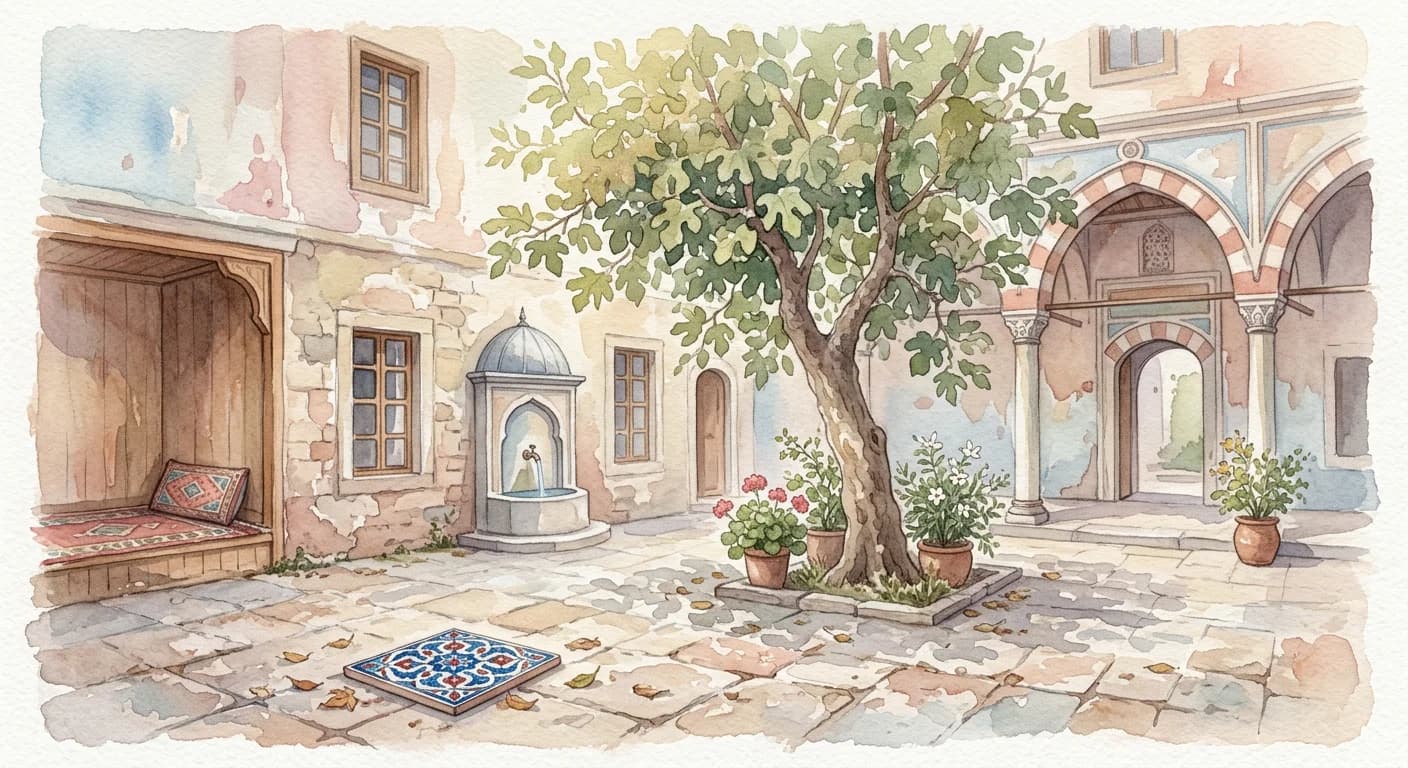
    Artistic representation of Rahat
    Turkish•
    🇹🇷Turkey

    Rahat

    /RAH-haht/

    Meaning

    Rahat transcends mere physical comfort, embodying a profound state of deep tranquility and ease that often follows exertion or a period of difficulty. It's a holistic sense of being completely at rest, where mental peace, spiritual contentment, and gentle satisfaction intertwine. This unhurried contentment is frequently found in simple, everyday pleasures, like savoring a cup of tea or finding a quiet moment amidst the day's demands, representing a cherished state of serene well-being.

    Literal Translation

    Comfort, ease, relief

    The Story Behind the Word

    The concept of 'rahat' is deeply embedded in Turkish culture, reflecting a society that values inner peace and contentment amidst life's challenges. Originating from Arabic roots meaning 'rest' or 'repose,' its integration into Turkish goes beyond a simple translation, becoming a cornerstone of well-being. This emphasis on finding 'rahat' speaks to a cultural appreciation for slowing down, savoring moments, and achieving a balanced state of mind and body. It underscores a philosophy where true happiness isn't always about grand achievements but often about the quiet, restorative moments that bring profound peace. The pursuit of 'rahat' reveals a worldview that prioritizes mental and emotional equilibrium, viewing it as essential for a fulfilling life, often achieved through social connection, reflection, and simple pleasures.

    Experience It

    Post-Work Serenity

    After a long, demanding day at work, Ayşe finally settles onto her balcony with a hot cup of Turkish tea. As the cool evening breeze washes over her and she watches the city lights twinkle, a deep sigh escapes her lips. 'Oh, ne rahat!' she murmurs, feeling the day's stress melt away, replaced by a profound sense of peace.

    Family Gatherings Peace

    Following a bustling family dinner filled with laughter and conversation, Mehmet leans back in his chair, a contented smile on his face. The dishes are being cleared, the children are quietly playing, and a comfortable silence settles over the room. He feels utterly 'rahat,' surrounded by loved ones, with nothing left to do but simply be.

    The Deeper Meaning

    Rahat reveals a philosophical inclination towards appreciating the present moment and finding solace in simplicity. It suggests that true well-being isn't solely about external achievements but resides in an internal state of peace and contentment. This worldview encourages resilience, teaching that after effort or difficulty, a state of profound rest and satisfaction is not just desirable but attainable and essential for a balanced life.

    Did You Know?

    The popular Turkish delight confection, 'lokum,' is also known as 'rahat lokum,' meaning 'comfort for the throat,' highlighting its soothing and delightful qualities.

    How It's Used

    Rahat is used to describe the feeling of deep comfort and peacefulness one experiences after a tiring event, or simply when enjoying a moment of quiet contentment and relaxation.

    Emotions
    comfort,contentment,peace,serenity
    Contexts
    dining,family,relaxation,solitude
    🇹🇷Turkey

    by Anya Petrova·Written Mar 14, 2026·Updated Apr 3, 2026

    Related Words

    Explore more
    HyggeDanish

    Hygge is more than mere coziness; it's a holistic embrace of comfort, warmth, and belonging that nourishes the soul. It describes the intentional creation of an intimate atmosphere where simple pleasures, genuine connection, and mindful presence converge, fostering a profound sense of contentment and well-being. It's about finding joy and peace in the small, everyday moments, often shared with loved ones.

    Dolce far nienteItalian

    Dolce far niente captures the profound joy and effortless pleasure derived from simply existing without obligation or purpose. It's the art of savoring moments of pure, unadulterated idleness – lying in the sun, watching the clouds drift, or enjoying a leisurely coffee – not as a break from work, but as a valuable state in itself. This 'sweetness of doing nothing' is a conscious embrace of stillness and contentment, allowing the soul to breathe and the senses to fully engage with the present.

    TarofPersian

    Tarof is a deeply ingrained Iranian social custom, a delicate dance of politeness and deference where individuals engage in an elaborate exchange of offers and refusals. It's a performative humility, a way of showing respect and avoiding imposing, often involving multiple cycles of insistence and polite decline before a genuine acceptance or refusal is reached. This intricate ritual governs interactions from sharing food to paying bills, creating a nuanced social ballet.

    TarabArabic

    Tarab is far more than mere enjoyment; it's a profound, almost spiritual communion with music, where the performer and audience become one in a shared emotional journey. It signifies a state of ecstatic enchantment, a deep emotional surrender that transcends the self, leading to a transformative experience. This intense connection often manifests as spontaneous vocalizations, tears, or even physical swaying, as the music penetrates the soul and evokes a powerful release of feeling. It's a moment of pure, unadulterated musical rapture.