U.
HomeRegionsLanguagesEmotionsCollections
Find Your Word

“The limits of my language mean the limits of my world.”

— Ludwig Wittgenstein, Philosopher

Untranslatable

A curated collection of the world's most beautiful expressions—words that remind us language is humanity's greatest invention.

  • Home
  • Collections
  • Regions
  • Countries
  • Emotions
  • Tags
  • Contexts
  • Finder
  • Europe
  • Asia
  • Americas
  • Africa
  • Middle East
  • About
  • Contact
  • Privacy Policy
  • Terms of Service

2026 © Untranslatable. All rights reserved.

    /
    /
    1. Home
    2. /
    3. Asia
    4. /
    5. Nandemonai
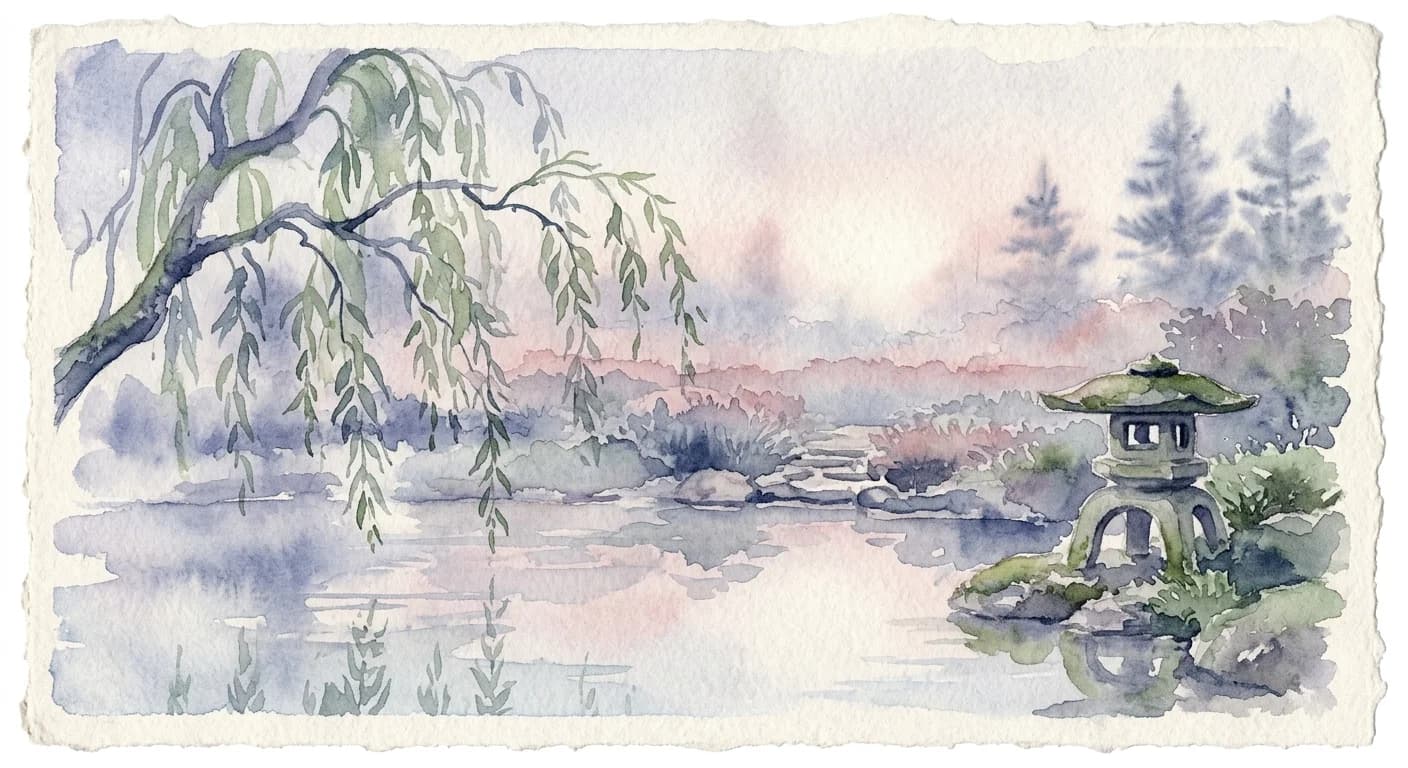
    Artistic representation of Nandemonai
    Japanese•
    🇯🇵Japan

    Nandemonai

    /NAHN-deh-moh-nai/

    Meaning

    “Nandemonai” is far more than a simple negation; it's a social lubricant, a subtle deflection, and a balm. It signifies that whatever was perceived as an issue, worry, or even a deep thought, is in fact inconsequential or not worth dwelling upon. It's often employed to put others at ease, to avoid burdening someone, or to gracefully sidestep a topic without causing discomfort or requiring a lengthy explanation.

    Literal Translation

    Nothing

    The Story Behind the Word

    The existence and pervasive use of "Nandemonai" are deeply rooted in Japanese cultural values, particularly the emphasis on harmony (wa) and the avoidance of imposing on others (enryo). In a society that prioritizes collective well-being and indirect communication, expressing a personal burden or demanding attention is often seen as disruptive. "Nandemonai" allows individuals to downplay their own troubles or discomfort, reassuring others that everything is fine, even if it's not entirely true. This linguistic tool reflects a long-standing cultural inclination towards subtlety, politeness, and maintaining social equilibrium, where unspoken understanding often trumps direct articulation, fostering a sense of mutual consideration and respect within interactions.

    Experience It

    Reassuring a Friend

    After a long, stressful day, Kenji sighs deeply. His friend, noticing his worn expression, asks, 'Daijoubu ka?' (Are you alright?). Kenji, not wanting to burden his friend, offers a small smile and replies, 'Un, nandemonai,' implying he's fine and there's nothing to worry about.

    Dismissing a Concern

    A junior colleague accidentally spills tea near their boss's documents, quickly apologizing profusely. The boss, seeing no real damage, waves a hand and calmly says, 'Nandemonai, ki ni shinai de kudasai,' assuring the colleague that it's no big deal and they shouldn't fret over it.

    The Deeper Meaning

    This phrase embodies a profound Japanese philosophical inclination towards stoicism and emotional restraint, particularly in public or social settings. It reflects the belief that one should not unduly burden others with personal troubles and that maintaining a calm, composed exterior contributes to collective harmony. It underscores the value placed on resilience and the quiet endurance of challenges, rather than immediate outward expression.

    Did You Know?

    While often translated as 'It's nothing,' a more nuanced understanding of 'Nandemonai' actually encapsulates a broader spectrum, from 'Don't worry about it' to 'It's not important' or even 'I'm fine, really.'

    How It's Used

    Often used to dismiss a concern or question, implying that there's nothing to worry about or that the matter is insignificant. It can be a polite way to avoid further discussion or to reassure someone.

    Emotions
    comfort,peace,serenity
    Contexts
    conversation,farewell,greeting
    🇯🇵Japan

    by Dr. Kenji Tanaka·Written Mar 14, 2026·Updated Apr 3, 2026

    Related Words

    Explore more
    Dolce far nienteItalian

    Dolce far niente captures the profound joy and effortless pleasure derived from simply existing without obligation or purpose. It's the art of savoring moments of pure, unadulterated idleness – lying in the sun, watching the clouds drift, or enjoying a leisurely coffee – not as a break from work, but as a valuable state in itself. This 'sweetness of doing nothing' is a conscious embrace of stillness and contentment, allowing the soul to breathe and the senses to fully engage with the present.

    Wabi-sabiJapanese

    Wabi-sabi is the profound appreciation for the ephemeral, the imperfect, and the incomplete aspects of existence. It is about discovering beauty in the subtle textures of age, the unique character of flaws, and the gentle decay that marks the passage of time. This philosophy encourages a quiet acceptance of impermanence and a mindful connection to the natural world, finding elegance in simplicity and authenticity.

    IkigaiJapanese

    Ikigai is more than just a reason to get out of bed; it's a deeply personal and evolving sense of purpose that brings genuine fulfillment and joy to one's life. It represents the sweet spot where your passions, talents, needs of the world, and what you can be paid for beautifully converge. Discovering your ikigai often leads to a life lived with intentionality, resilience, and a profound connection to one's contributions. It's the intrinsic motivation that fuels a meaningful existence, regardless of external circumstances.

    NunchiKorean

    Nunchi is the sophisticated, almost telepathic, ability to instantly grasp the unspoken dynamics of any social situation, anticipating others' thoughts and feelings, and then responding with impeccable grace and timing. It's an acute form of social intuition, allowing one to navigate complex interpersonal landscapes by reading subtle cues like body language, tone, and context. Possessing good nunchi means effortlessly understanding the underlying emotional currents and adjusting one's behavior to maintain harmony and effectiveness, often without a single word exchanged.

    Featured in 1 collection

    💬The Art of Conversation