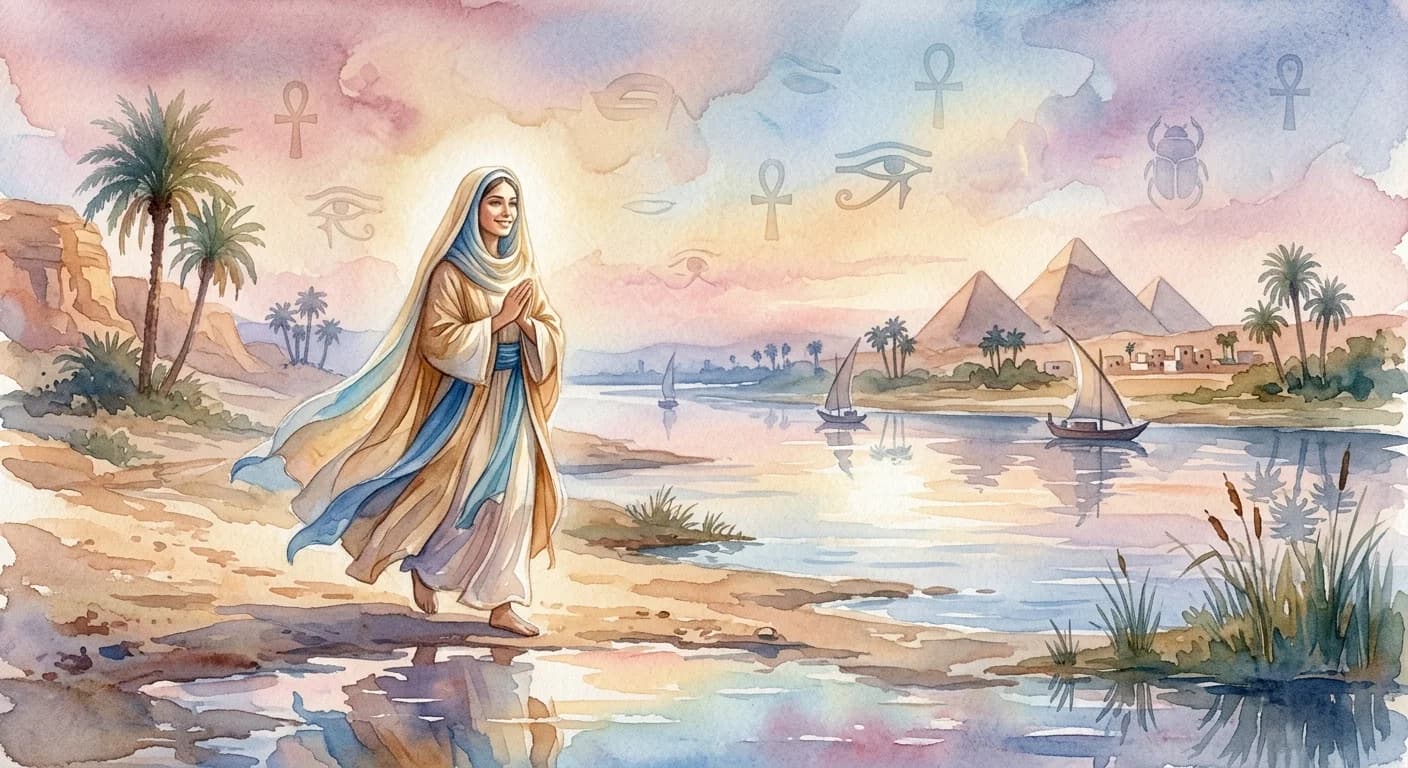
Avliya
/AV-lee-yah/
Meaning
Avliya refers to a deeply revered saintly individual, often a mystic or spiritual guide within Sufi Islam, who is believed to possess profound spiritual wisdom and a unique closeness to the divine. These figures are venerated for their exemplary piety, asceticism, and sometimes miraculous abilities, acting as intermediaries between God and humanity. The term encapsulates a profound respect and awe for those who have traversed the spiritual path to attain a heightened state of grace and insight, serving as beacons of faith and sources of blessings in the community.
Literal Translation
Saint, holy person
The Story Behind the Word
The concept of "Avliya" is deeply woven into the spiritual fabric of Islamic societies, particularly within Sufi traditions where the veneration of saints plays a significant role. It stems from the Quranic concept of "awliya Allah" (friends of God), evolving into the popular understanding of saintly figures. Historically, avliya served as spiritual anchors, moral exemplars, and often community leaders, their tombs becoming focal points for pilgrimage and seeking blessings (baraka). This reverence reflects a worldview where the divine can manifest through exceptional human beings, offering guidance and intercession. The existence of avliya underscores a communal desire for tangible spiritual connection and a belief in the ongoing presence of divine grace in the world.
Experience It
Seeking Baraka
A young woman, burdened by illness, journeys to the shrine of a renowned avliya. She sits in quiet contemplation, hoping that the saint's spiritual presence will bring healing and comfort to her troubled soul, feeling a profound sense of peace in the sacred space.
Following the Path
An elderly man recounts stories of his grandfather, a devout follower of a local avliya. He describes how the avliya's teachings guided his family through difficult times, emphasizing the importance of humility and constant remembrance of God, inspiring generations to live righteously.
What Gets Lost in Translation
English speakers might equate "Avliya" simply with "saint," but it carries a distinct Sufi connotation of direct, living spiritual guidance and often a mystical connection that goes beyond mere historical reverence. It's not just about historical figures but also contemporary spiritual masters.
Across Cultures
Similar concepts of revered holy figures exist across various cultures and religions. In Christianity, saints are venerated for their piety and intercessory roles, while in Hinduism, 'sadhus' or 'gurus' are spiritual teachers and ascetics. The concept of 'bodhisattvas' in Buddhism also shares parallels, representing enlightened beings who defer their own nirvana to help others.
The Deeper Meaning
The concept of Avliya reveals a worldview that emphasizes the immanence of the divine in human experience, suggesting that spiritual perfection is attainable and manifested through exceptional individuals. It underscores a belief in a hierarchical spiritual order and the possibility of human beings acting as conduits for divine grace, offering a tangible link between the mundane and the transcendent.
Did You Know?
Did you know that some avliya are believed to have the power of 'karamat' – miraculous feats beyond ordinary human capability – which are seen not as magic, but as divine gifts affirming their closeness to God?
How It's Used
Used to refer to revered spiritual figures, saints, or holy individuals, particularly within Sufi traditions. It's often invoked with deep respect and admiration.