U.
HomeRegionsLanguagesEmotionsCollections
Find Your Word

“The limits of my language mean the limits of my world.”

— Ludwig Wittgenstein, Philosopher

Untranslatable

A curated collection of the world's most beautiful expressions—words that remind us language is humanity's greatest invention.

  • Home
  • Collections
  • Regions
  • Countries
  • Emotions
  • Tags
  • Contexts
  • Finder
  • Europe
  • Asia
  • Americas
  • Africa
  • Middle East
  • About
  • Contact
  • Privacy Policy
  • Terms of Service

2026 © Untranslatable. All rights reserved.

    /
    /
    1. Home
    2. /
    3. Asia
    4. /
    5. Hara
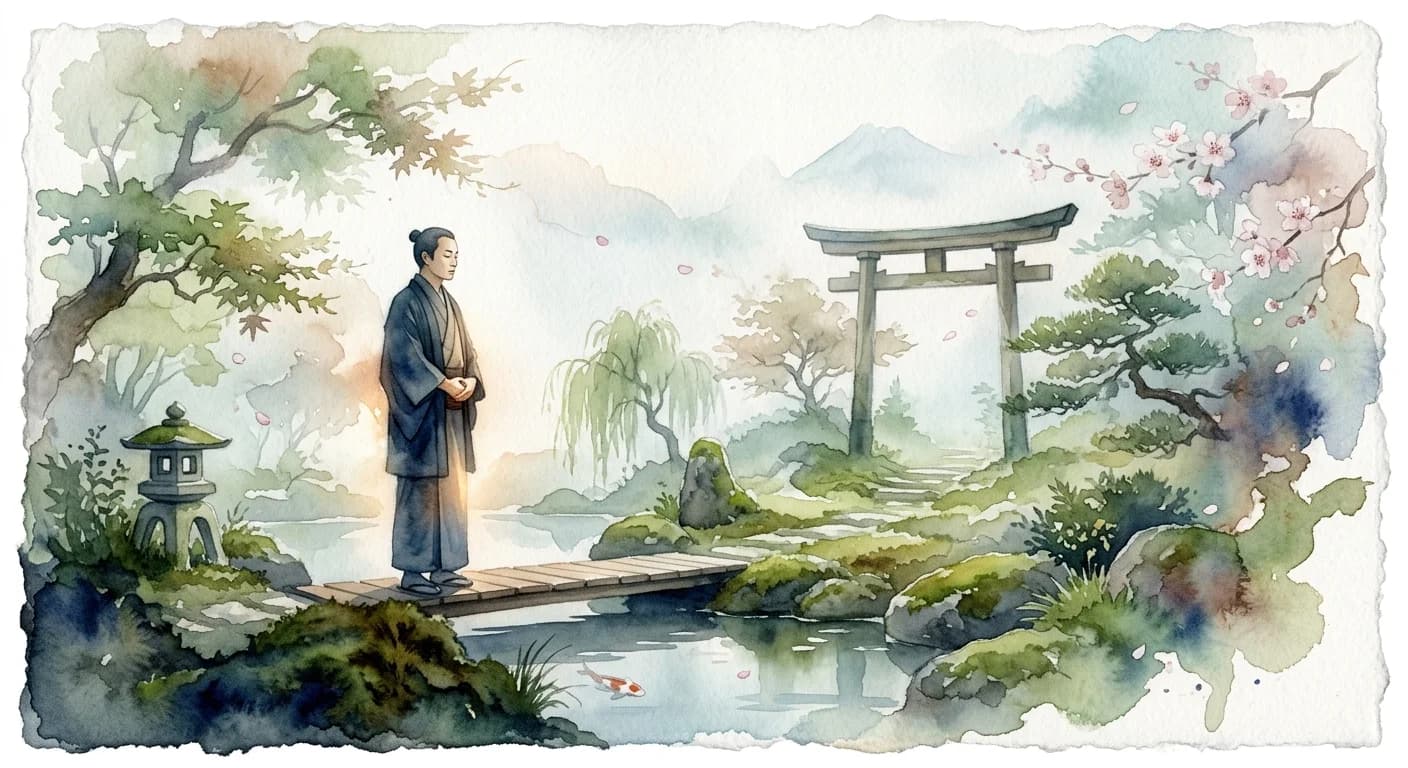
    Artistic representation of Hara
    Japanese•
    🇯🇵Japan

    Hara

    /HAH-rah/

    Meaning

    In Japanese culture, 'hara' transcends its literal meaning of abdomen or stomach, serving as the profound locus of one's physical and spiritual essence. It is perceived as the energetic core where intuition, deep emotional reserves, and the authentic self reside, guiding one's true being. To act 'from the hara' signifies a state of being deeply grounded, rooted in one's inner strength, and making decisions guided by innate wisdom rather than fleeting thoughts. This concept encapsulates a holistic connection to one's core, embodying gut feeling, inner resolve, and a mindful, centered presence.

    Literal Translation

    abdomen, stomach

    The Story Behind the Word

    The concept of 'hara' is deeply interwoven with Japanese philosophical and spiritual traditions, particularly Zen Buddhism and martial arts. Its emphasis as the body's center emerged from ancient Chinese medicine and Taoist practices, which were integrated into Japanese thought. In martial arts like Aikido and Kendo, cultivating a strong hara is crucial for balance, power, and mental focus, enabling practitioners to move with effortless strength and unwavering resolve. Philosophically, it reflects a worldview that values inner stillness, intuitive wisdom, and a grounded presence over purely intellectual pursuits. The belief that one's true self resides not in the head, but in the hara, reveals a culture that prioritizes holistic well-being and a deep connection to one's intrinsic nature.

    Experience It

    Martial Arts Master

    During a demanding kendo practice, the sensei observed a student struggling with their stance. He advised, 'Connect to your hara. Feel your center, let your movements flow from there.' Immediately, the student's posture solidified, and their strikes gained newfound power and precision.

    Difficult Decision

    Facing a complex business decision, one executive felt overwhelmed by data. Their Japanese colleague suggested, 'Don't just think, feel it in your hara.' By quieting their mind and tuning into their gut instinct, the executive gained clarity and made a choice that felt profoundly right.

    The Deeper Meaning

    The concept of 'hara' offers a profound philosophical insight into the Japanese understanding of being. It posits that true wisdom and strength emanate not from the logical mind, but from a deeper, intuitive core. This encourages a holistic approach to life, where physical posture, emotional balance, and spiritual grounding are intrinsically linked, fostering a state of mindful presence and authentic self-expression. It reveals a cultural emphasis on internal cultivation over external display.

    Did You Know?

    There's a Japanese saying, 'Hara ga tatsu' (腹が立つ), which literally means 'one's hara stands up,' but actually translates to 'to get angry,' showing how emotions are tied to this physical center.

    How It's Used

    Used in martial arts, meditation, and everyday conversation to refer to the center of one's being, intuition, or physical core.

    Emotions
    belonging,peace,serenity
    Contexts
    relaxation,solitude,work
    🇯🇵Japan

    by Dr. Kenji Tanaka·Written Mar 14, 2026·Updated Apr 3, 2026

    Related Words

    Explore more
    Dolce far nienteItalian

    Dolce far niente captures the profound joy and effortless pleasure derived from simply existing without obligation or purpose. It's the art of savoring moments of pure, unadulterated idleness – lying in the sun, watching the clouds drift, or enjoying a leisurely coffee – not as a break from work, but as a valuable state in itself. This 'sweetness of doing nothing' is a conscious embrace of stillness and contentment, allowing the soul to breathe and the senses to fully engage with the present.

    SobremesaSpanish

    Sobremesa is the cherished, often extended period immediately following a meal, particularly lunch or dinner, where diners remain seated at the table to enjoy conversation, coffee, and digest not just the food, but the company itself. It’s a dedicated time for unhurried social bonding, storytelling, and shared laughter, transforming a simple meal into a profound communal experience. Far from just clearing the dishes, sobremesa is an integral part of Spanish social life, often lasting for hours.

    Wabi-sabiJapanese

    Wabi-sabi is the profound appreciation for the ephemeral, the imperfect, and the incomplete aspects of existence. It is about discovering beauty in the subtle textures of age, the unique character of flaws, and the gentle decay that marks the passage of time. This philosophy encourages a quiet acceptance of impermanence and a mindful connection to the natural world, finding elegance in simplicity and authenticity.

    IkigaiJapanese

    Ikigai is more than just a reason to get out of bed; it's a deeply personal and evolving sense of purpose that brings genuine fulfillment and joy to one's life. It represents the sweet spot where your passions, talents, needs of the world, and what you can be paid for beautifully converge. Discovering your ikigai often leads to a life lived with intentionality, resilience, and a profound connection to one's contributions. It's the intrinsic motivation that fuels a meaningful existence, regardless of external circumstances.