U.
HomeRegionsLanguagesEmotionsCollections
Find Your Word

“The limits of my language mean the limits of my world.”

— Ludwig Wittgenstein, Philosopher

Untranslatable

A curated collection of the world's most beautiful expressions—words that remind us language is humanity's greatest invention.

  • Home
  • Collections
  • Regions
  • Countries
  • Emotions
  • Tags
  • Contexts
  • Finder
  • Europe
  • Asia
  • Americas
  • Africa
  • Middle East
  • About
  • Contact
  • Privacy Policy
  • Terms of Service

2026 © Untranslatable. All rights reserved.

    /
    /
    1. Home
    2. /
    3. Middle East
    4. /
    5. Khamsin
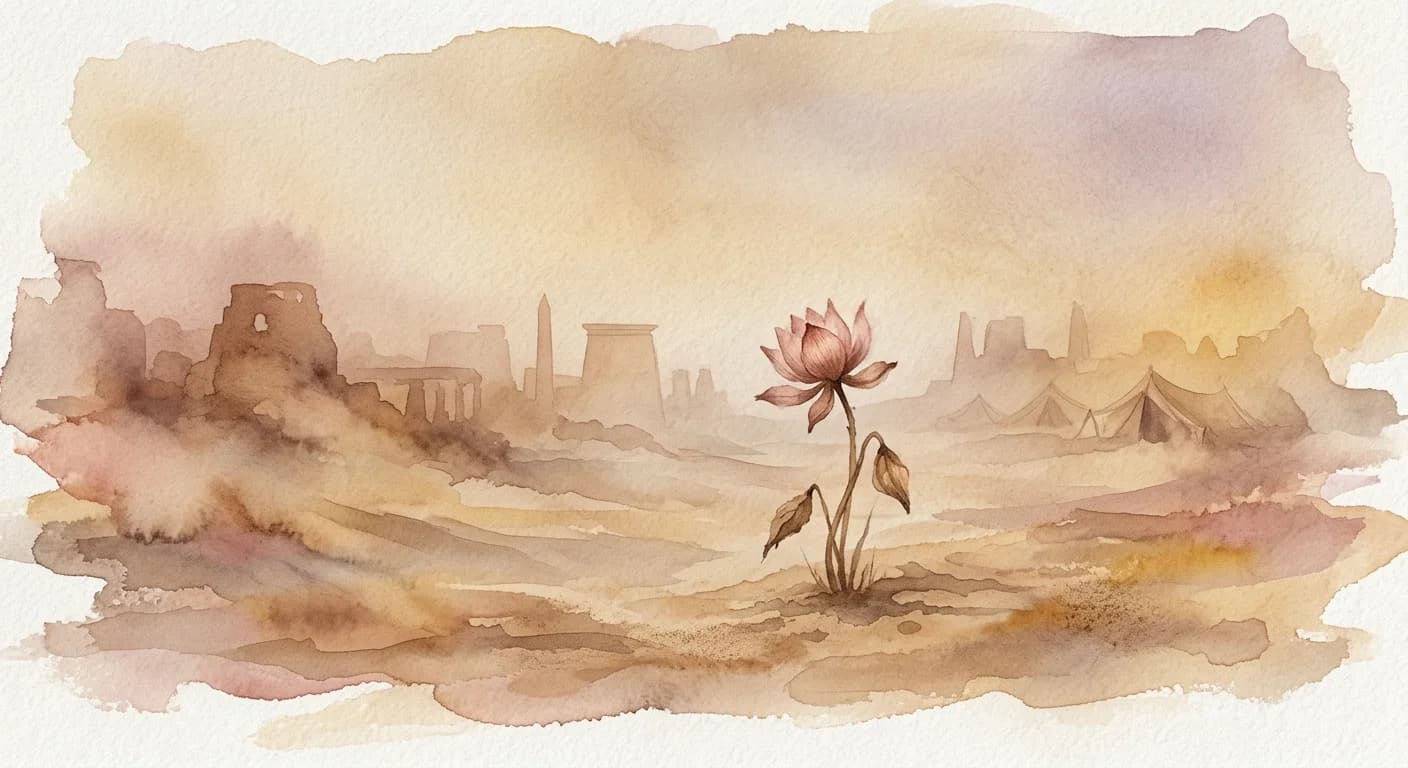
    Artistic representation of Khamsin
    Arabic•
    🇪🇬Egypt

    Khamsin

    /KAHM-sin/

    Meaning

    The Khamsin is a formidable, sand-laden wind that sweeps across Egypt and the wider Middle East, traditionally in the spring. More than just a weather event, it's a profound atmospheric upheaval, characterized by searing heat, choking dust, and an oppressive stillness that halts normal life. Its arrival transforms vibrant landscapes into hazy, sepia-toned realms, forcing a collective retreat indoors and underscoring humanity's vulnerability to nature's raw power.

    Literal Translation

    Fifty

    The Story Behind the Word

    The Khamsin is deeply embedded in Egyptian consciousness, so much so that its name, 'fifty,' reflects a traditional belief in its potential 50-day duration, even if its actual presence is shorter. This enduring phenomenon has shaped agricultural cycles, architectural designs (courtyards, thick walls), and even daily routines, with people learning to adapt to its sudden, often violent onset. It's a reminder of life's precariousness in a harsh environment, fostering resilience and a deep respect for natural forces. The Khamsin is not merely an inconvenience; it's a seasonal character in the regional narrative, often invoked in literature and folklore as a harbinger of discomfort or a test of endurance. Its predictable, yet unpredictable, nature has instilled a collective sense of anticipation and preparation, making it a cultural touchstone.

    Experience It

    Desert Travel Halted

    The caravan leader squinted at the horizon, a faint ochre haze building rapidly. "Khamsin!" he bellowed, his voice barely audible over the sudden gust. Within minutes, the sky turned orange, visibility plummeted, and the camels huddled, forcing an immediate halt to their desert journey until the storm passed.

    Spring Cleaning Interrupted

    Aisha had just hung her freshly laundered clothes on the line when the air grew heavy and a gritty film began to settle everywhere. Realizing the Khamsin had arrived, she sighed, rushed to bring everything inside, and sealed the windows, knowing her cleaning efforts were momentarily futile against the pervasive dust.

    The Deeper Meaning

    The Khamsin reveals a worldview deeply attuned to cycles of nature and humanity's place within them. It embodies the concept of 'ma'alesh' (never mind/it's okay) – a philosophical acceptance of uncontrollable forces. It fosters patience, adaptability, and a communal understanding that certain periods demand surrender to the elements, highlighting the transient nature of comfort and the enduring power of the natural world.

    Did You Know?

    The Khamsin can carry vast quantities of sand and dust, sometimes transporting microscopic particles all the way from the Sahara Desert across the Mediterranean Sea to Europe, affecting air quality thousands of miles away.

    How It's Used

    Used to describe a specific type of weather event, particularly in the spring months, and the disruptive effects it has.

    Emotion
    anxiety
    Contexts
    seasons,weather
    🇪🇬Egypt

    by Kwame Nkrumah·Written Mar 14, 2026·Updated Apr 3, 2026

    Related Words

    Explore more
    TarofPersian

    Tarof is a deeply ingrained Iranian social custom, a delicate dance of politeness and deference where individuals engage in an elaborate exchange of offers and refusals. It's a performative humility, a way of showing respect and avoiding imposing, often involving multiple cycles of insistence and polite decline before a genuine acceptance or refusal is reached. This intricate ritual governs interactions from sharing food to paying bills, creating a nuanced social ballet.

    TarabArabic

    Tarab is far more than mere enjoyment; it's a profound, almost spiritual communion with music, where the performer and audience become one in a shared emotional journey. It signifies a state of ecstatic enchantment, a deep emotional surrender that transcends the self, leading to a transformative experience. This intense connection often manifests as spontaneous vocalizations, tears, or even physical swaying, as the music penetrates the soul and evokes a powerful release of feeling. It's a moment of pure, unadulterated musical rapture.

    KeyifTurkish

    Keyif is a profound state of unhurried, mindful enjoyment, a deliberate savoring of the present moment without urgency or expectation. It's not merely relaxation, but an active engagement with the simple pleasures of life, finding contentment in the sensory details of a warm cup of tea, the gentle breeze, or a quiet conversation. It embodies a serene acceptance of 'what is,' fostering an inner peace that makes even mundane activities feel like a small celebration.

    FremdschämenGerman

    Fremdschämen captures the acute, almost visceral discomfort one experiences when witnessing another person's embarrassing actions, as if their mortification were your own. It's the involuntary cringe, the desire to disappear or intervene, sparked by a profound sense of social empathy and a keen awareness of unspoken social codes being flagrantly violated. This feeling transcends mere pity, becoming a shared, albeit vicarious, burden of shame that highlights the intricate web of social expectations and their emotional consequences.