U.
HomeRegionsLanguagesEmotionsCollections
Find Your Word

“The limits of my language mean the limits of my world.”

— Ludwig Wittgenstein, Philosopher

Untranslatable

A curated collection of the world's most beautiful expressions—words that remind us language is humanity's greatest invention.

  • Home
  • Collections
  • Regions
  • Countries
  • Emotions
  • Tags
  • Contexts
  • Finder
  • Europe
  • Asia
  • Americas
  • Africa
  • Middle East
  • About
  • Contact
  • Privacy Policy
  • Terms of Service

2026 © Untranslatable. All rights reserved.

    /
    /
    1. Home
    2. /
    3. Asia
    4. /
    5. Roshi
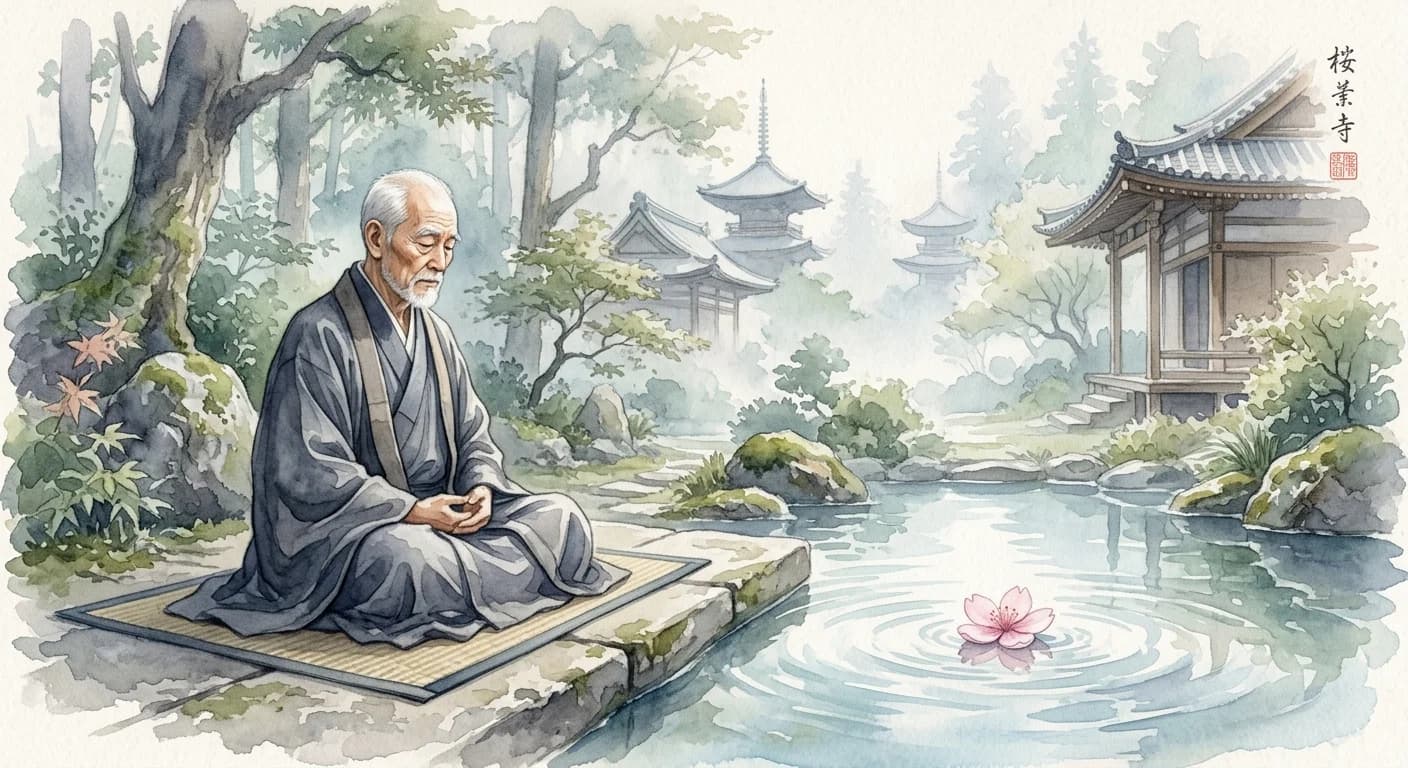
    Artistic representation of Roshi
    Japanese•
    🇯🇵Japan

    Roshi

    /ROH-shee/

    Meaning

    In Zen Buddhism, 'Roshi' is a profound honorific title bestowed upon a master who has not only completed rigorous training but is recognized as having attained a deep, experiential understanding of enlightenment. It signifies far more than mere academic knowledge, representing a spiritual lineage holder capable of authentically guiding others on the path to awakening through direct personal instruction and embodying the teachings. This designation reflects exceptional wisdom, profound compassion, and the proven ability to transmit the elusive essence of Zen, making them a living embodiment of the dharma.

    Literal Translation

    Old teacher / venerable teacher

    The Story Behind the Word

    The concept of 'Roshi' is deeply rooted in the long history of Zen Buddhism in Japan, emphasizing direct transmission from mind to mind, a lineage tracing back to the Buddha himself. It reflects a culture that values spiritual mentorship, disciplined practice, and the recognition of profound wisdom gained through arduous personal journey. The existence of this title underscores the Japanese appreciation for mastery, not just in arts or crafts, but especially in spiritual development, where a guide is crucial for navigating the often paradoxical and non-linear path to enlightenment. It reveals a societal understanding that true spiritual insight is often embodied in an individual and passed down through living example rather than solely through texts, highlighting the importance of the guru-disciple relationship in achieving liberation.

    Experience It

    Seeking Guidance

    A young monk, grappling with a koan, approaches the Roshi's secluded hut. With a deep bow, he presents his understanding, hoping the Roshi's discerning gaze will illuminate his path forward or reveal his misstep, guiding him closer to satori.

    Dharma Talk

    During morning zazen, the Roshi enters the zendo, his presence a quiet authority. He delivers a spontaneous dharma talk, his words cutting through intellectual constructs, offering insights that resonate deeply within the practitioners, born from decades of silent meditation.

    The Deeper Meaning

    The title 'Roshi' encapsulates the Zen philosophy of non-dualistic wisdom and direct experience over intellectualization. It highlights the belief that enlightenment is not an abstract concept but a living reality to be realized, and that a truly awakened being can serve as a 'finger pointing to the moon,' guiding others to see the truth for themselves. This underscores the profound value placed on embodied wisdom and the transmission of insight beyond words.

    Did You Know?

    While 'Roshi' literally means 'old teacher,' many Zen masters who are recognized as Roshi today are not necessarily old in years, but rather in spiritual maturity and depth of insight.

    How It's Used

    Used as an honorific title for a Zen master in Japan.

    Emotions
    peace,serenity
    Contexts
    education,meditation,religion
    🇯🇵Japan

    by Dr. Kenji Tanaka·Written Mar 14, 2026·Updated Apr 3, 2026

    Related Words

    Explore more
    Dolce far nienteItalian

    Dolce far niente captures the profound joy and effortless pleasure derived from simply existing without obligation or purpose. It's the art of savoring moments of pure, unadulterated idleness – lying in the sun, watching the clouds drift, or enjoying a leisurely coffee – not as a break from work, but as a valuable state in itself. This 'sweetness of doing nothing' is a conscious embrace of stillness and contentment, allowing the soul to breathe and the senses to fully engage with the present.

    Wabi-sabiJapanese

    Wabi-sabi is the profound appreciation for the ephemeral, the imperfect, and the incomplete aspects of existence. It is about discovering beauty in the subtle textures of age, the unique character of flaws, and the gentle decay that marks the passage of time. This philosophy encourages a quiet acceptance of impermanence and a mindful connection to the natural world, finding elegance in simplicity and authenticity.

    IkigaiJapanese

    Ikigai is more than just a reason to get out of bed; it's a deeply personal and evolving sense of purpose that brings genuine fulfillment and joy to one's life. It represents the sweet spot where your passions, talents, needs of the world, and what you can be paid for beautifully converge. Discovering your ikigai often leads to a life lived with intentionality, resilience, and a profound connection to one's contributions. It's the intrinsic motivation that fuels a meaningful existence, regardless of external circumstances.

    NunchiKorean

    Nunchi is the sophisticated, almost telepathic, ability to instantly grasp the unspoken dynamics of any social situation, anticipating others' thoughts and feelings, and then responding with impeccable grace and timing. It's an acute form of social intuition, allowing one to navigate complex interpersonal landscapes by reading subtle cues like body language, tone, and context. Possessing good nunchi means effortlessly understanding the underlying emotional currents and adjusting one's behavior to maintain harmony and effectiveness, often without a single word exchanged.

    Featured in 1 collection

    🎌Japanese Philosophy