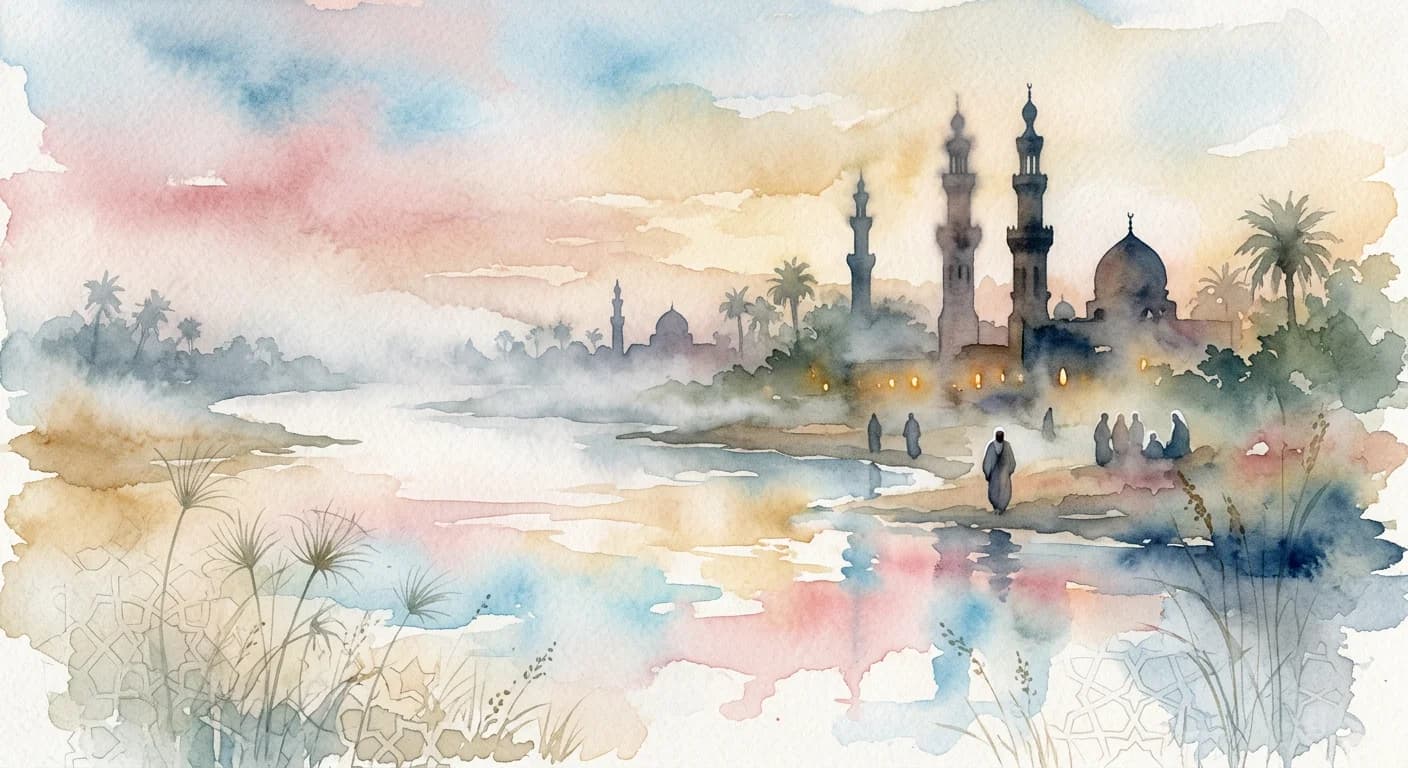
Tariqa
/TA-ree-kah/
Meaning
Tariqa transcends a mere spiritual doctrine; it is a living, breathing lineage of Sufi practice, a 'path' meticulously guided by a Shaykh towards divine proximity. It encompasses not just esoteric teachings and devotional rituals but also the profound communal bond forged among disciples, forming a spiritual family united in their quest for inner purification and direct experiential knowledge of God. This holistic journey transforms the individual, integrating mystical aspiration with daily life in pursuit of ultimate truth and spiritual enlightenment.
Literal Translation
Path, way, route, or method
The Story Behind the Word
The 'tariqa' is intricately woven into the fabric of Islamic societies, particularly in Egypt, representing a profound historical and ongoing spiritual movement. Its existence reflects a deep-seated human desire for a direct, personal encounter with the divine, beyond the formalistic aspects of religion. Historically, Sufi orders played crucial roles not only in spiritual instruction but also in social cohesion, education, and even resistance movements. They offered a structured yet deeply personal means of navigating the complexities of faith, emphasizing love, remembrance (dhikr), and asceticism. The enduring presence of tariqas reveals a cultural understanding that spiritual truth is not solely intellectual but experiential, requiring dedicated practice and guidance. It highlights a worldview where inner transformation is paramount, and the community of seekers (murids) under a living guide is essential for traversing the spiritual landscape.
Experience It
Joining the Path
Ahmed felt a deep yearning for spiritual connection beyond his daily prayers. He sought out a respected Shaykh in his village, feeling drawn to the particular teachings and communal warmth of their tariqa. After careful consideration and acceptance by the Shaykh, Ahmed formally committed to the tariqa, embarking on a disciplined journey of remembrance and service.
A Gathering of Hearts
On Thursday evenings, the members of the Rifa'i tariqa gathered at the zawiya. They sat in concentric circles, chanting sacred names and performing rhythmic movements, their hearts beating in unison. This communal dhikr was a profound experience for them, strengthening their bond to each other and their connection to the divine, guided by the presence of their Shaykh.
The Deeper Meaning
The concept of 'tariqa' embodies a profound philosophy that spiritual knowledge is not merely inherited or intellectual, but must be actively sought and experienced through a disciplined, guided path. It underscores the belief in an inner dimension of religion, where the human soul can directly perceive and unite with the divine. This reveals a worldview centered on the potential for human spiritual perfection (ihsan) and the transformative power of divine love and remembrance, emphasizing experiential truth over dogma.
Did You Know?
Some tariqas, like the Mevlevi (Whirling Dervishes), are renowned for their unique spiritual practices that involve sacred music and dance as a form of active meditation and remembrance of God.
How It's Used
Used to denote a specific Sufi order or school of thought within mystical Islam, often referring to a group following a particular spiritual master and set of practices.