U.
HomeRegionsLanguagesEmotionsCollections
Find Your Word

“The limits of my language mean the limits of my world.”

— Ludwig Wittgenstein, Philosopher

Untranslatable

A curated collection of the world's most beautiful expressions—words that remind us language is humanity's greatest invention.

  • Home
  • Collections
  • Regions
  • Countries
  • Emotions
  • Tags
  • Contexts
  • Finder
  • Europe
  • Asia
  • Americas
  • Africa
  • Middle East
  • About
  • Contact
  • Privacy Policy
  • Terms of Service

2026 © Untranslatable. All rights reserved.

    /
    /
    1. Home
    2. /
    3. Asia
    4. /
    5. Toji
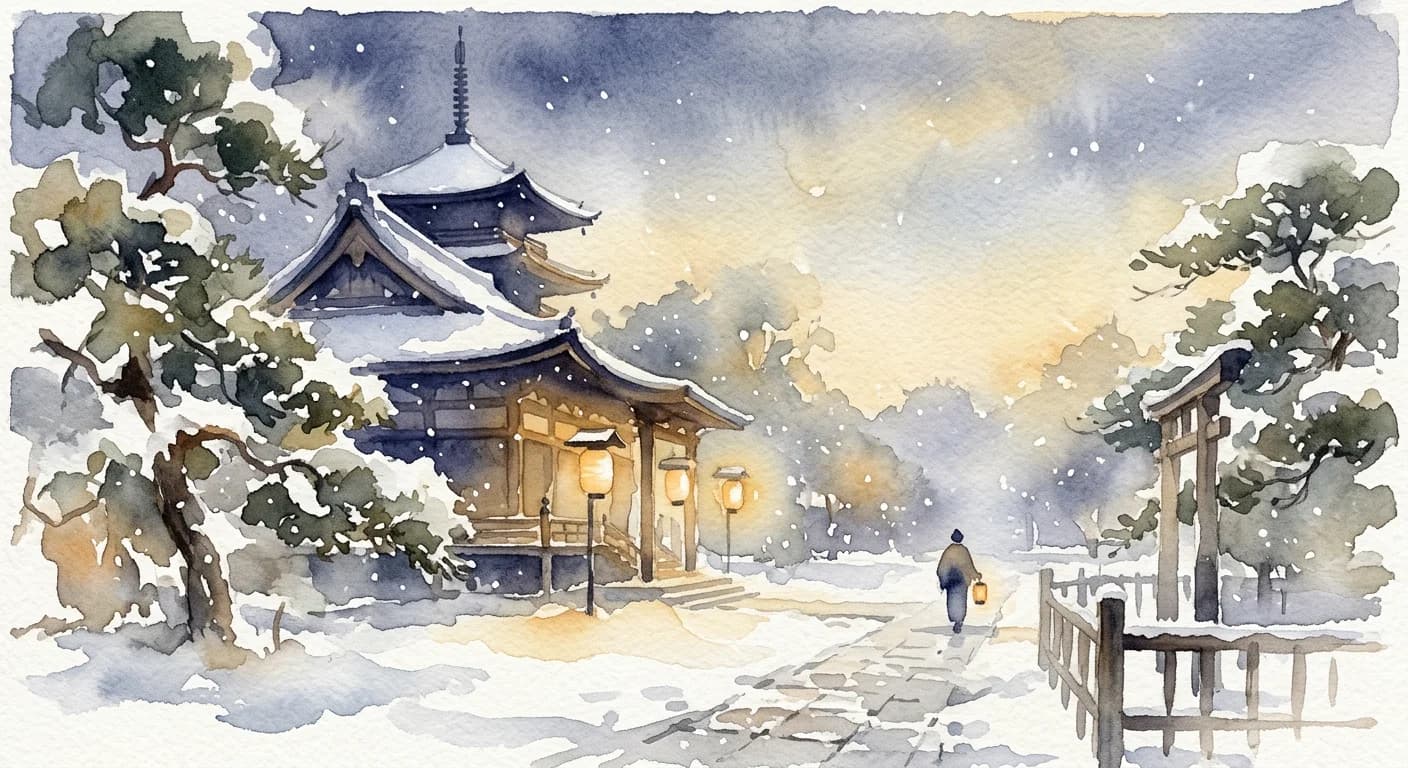
    Artistic representation of Toji
    Japanese•
    🇯🇵Japan

    Toji

    /TOH-jee/

    Meaning

    Toji (冬至) transcends a mere date; it's the profound moment of the winter solstice in Japan, marking the year's shortest day and the silent, hopeful promise of returning light. It signifies a pivotal turning point where the dominance of darkness wanes, and the sun's strength, though subtle, begins its gradual resurgence. Culturally, it's a time for quiet introspection, preparing for the deep winter ahead, and engaging in time-honored rituals believed to usher in health and good fortune.

    Literal Translation

    winter solstice

    The Story Behind the Word

    The significance of Toji in Japanese culture is deeply rooted in ancient agricultural cycles and a profound respect for nature's rhythms. Before modern calendars, the solstice was a critical marker for planting and harvesting, intrinsically linking human life to the celestial dance. The belief in 'ichiyo raifuku' (一陽来復), meaning 'the return of spring after winter,' is central to Toji. This philosophical concept, derived from Chinese thought, signifies the return of positive energy and good fortune after a period of hardship or decline, symbolizing hope and renewal. Practices like yuzu baths and eating kabocha (pumpkin) are not just superstitions but acts of communal resilience and a symbolic embrace of warmth and vitality against the encroaching cold. Toji reveals a cultural worldview that values harmony with nature, patience, and an enduring optimism in the face of cyclical change.

    Experience It

    Family Yuzu Bath

    On Toji, the Tanaka family gathered around their bathtub, the air thick with the citrusy aroma of yuzu fruits floating on the hot water. Little Hana giggled as her father explained that the bath would ward off colds and bring good luck for the year ahead, a cherished tradition passed down through generations.

    Kabocha Dinner

    Grandma Sato carefully prepared kabocha for dinner, its sweet earthiness a comforting presence on the Toji table. She recounted tales of how eating pumpkin on this darkest day strengthened the body and soul, ensuring everyone was ready to face the deepest part of winter.

    The Deeper Meaning

    Toji embodies the Japanese principle of 'mono no aware' – a poignant sensitivity to the transience of things, coupled with an underlying hope. It reflects the understanding that even at the peak of darkness, light is already returning, symbolizing resilience and the cyclical nature of life, death, and rebirth. It’s a quiet celebration of endurance and the promise of renewal, finding beauty and meaning in the subtle shifts of the natural world.

    Did You Know?

    It's a common Toji tradition to eat kabocha (Japanese pumpkin) and take a yuzu bath, both believed to bring good health and ward off illness for the upcoming colder months.

    How It's Used

    Used to refer to the specific day of the winter solstice in Japan, and the cultural practices associated with it.

    Emotions
    hope,peace,serenity
    Contexts
    celebration,health,relaxation,seasons
    🇯🇵Japan

    by Dr. Kenji Tanaka·Written Mar 14, 2026·Updated Apr 3, 2026

    Related Words

    Explore more
    Dolce far nienteItalian

    Dolce far niente captures the profound joy and effortless pleasure derived from simply existing without obligation or purpose. It's the art of savoring moments of pure, unadulterated idleness – lying in the sun, watching the clouds drift, or enjoying a leisurely coffee – not as a break from work, but as a valuable state in itself. This 'sweetness of doing nothing' is a conscious embrace of stillness and contentment, allowing the soul to breathe and the senses to fully engage with the present.

    Wabi-sabiJapanese

    Wabi-sabi is the profound appreciation for the ephemeral, the imperfect, and the incomplete aspects of existence. It is about discovering beauty in the subtle textures of age, the unique character of flaws, and the gentle decay that marks the passage of time. This philosophy encourages a quiet acceptance of impermanence and a mindful connection to the natural world, finding elegance in simplicity and authenticity.

    IkigaiJapanese

    Ikigai is more than just a reason to get out of bed; it's a deeply personal and evolving sense of purpose that brings genuine fulfillment and joy to one's life. It represents the sweet spot where your passions, talents, needs of the world, and what you can be paid for beautifully converge. Discovering your ikigai often leads to a life lived with intentionality, resilience, and a profound connection to one's contributions. It's the intrinsic motivation that fuels a meaningful existence, regardless of external circumstances.

    NunchiKorean

    Nunchi is the sophisticated, almost telepathic, ability to instantly grasp the unspoken dynamics of any social situation, anticipating others' thoughts and feelings, and then responding with impeccable grace and timing. It's an acute form of social intuition, allowing one to navigate complex interpersonal landscapes by reading subtle cues like body language, tone, and context. Possessing good nunchi means effortlessly understanding the underlying emotional currents and adjusting one's behavior to maintain harmony and effectiveness, often without a single word exchanged.