U.
HomeRegionsLanguagesEmotionsCollections
Find Your Word

“The limits of my language mean the limits of my world.”

— Ludwig Wittgenstein, Philosopher

Untranslatable

A curated collection of the world's most beautiful expressions—words that remind us language is humanity's greatest invention.

  • Home
  • Collections
  • Regions
  • Countries
  • Emotions
  • Tags
  • Contexts
  • Finder
  • Europe
  • Asia
  • Americas
  • Africa
  • Middle East
  • About
  • Contact
  • Privacy Policy
  • Terms of Service

2026 © Untranslatable. All rights reserved.

    /
    /
    1. Home
    2. /
    3. Middle East
    4. /
    5. Zikr
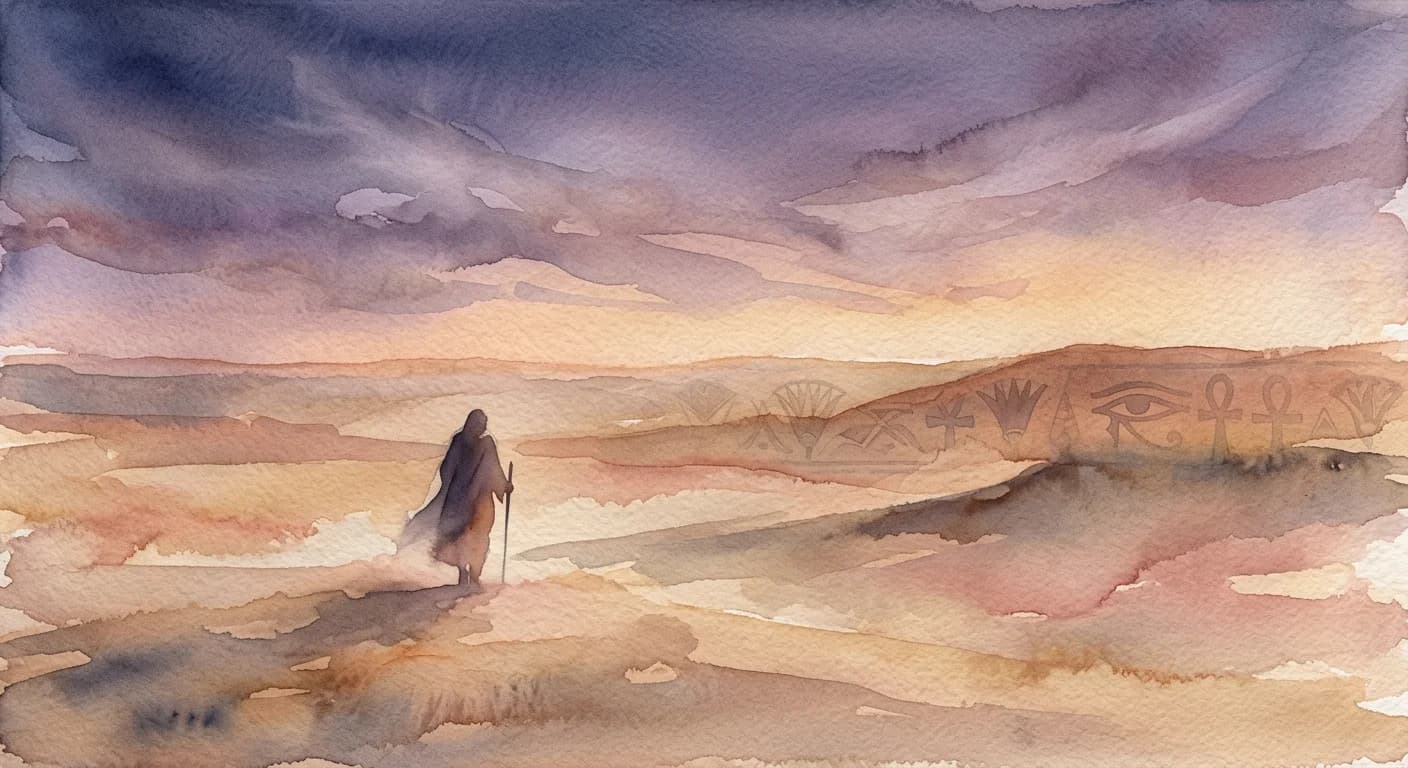
    Artistic representation of Zikr
    Arabic•
    🇪🇬Egypt

    Zikr

    /DHIK-r/

    Meaning

    Zikr is a profound Islamic devotional practice, a rhythmic, often mesmerizing remembrance of God through the recitation of His divine names, praises, or sacred phrases. It's an immersive spiritual journey designed to dissolve the self and forge an intimate connection with the divine, frequently inducing states of ecstatic peace, deep serenity, and inner tranquility. Far beyond mere rote repetition, zikr is a mindful engagement, a vibrant pulsation of faith that resonates through the body and soul, central to Sufi paths and broader Islamic spiritual life.

    Literal Translation

    Remembrance, mention, invocation

    The Story Behind the Word

    In Egyptian and broader Islamic culture, Zikr is more than a ritual; it's a living tradition passed down through generations, embodying the spiritual quest for closeness to God (taqarrub). Its prevalence, particularly within Sufi orders (tariqas), reflects a deep-seated belief in the heart's capacity for direct experience of the divine, transcending strict legalism. Zikr gatherings (majalis al-zikr) are vibrant community events, often held on specific nights like Thursday evenings, fostering collective spiritual upliftment and solidarity. This practice reveals a culture that values inner spiritual purification, emotional connection to faith, and the transformative power of devotion, seeing the remembrance of God as the ultimate balm for the soul and the path to true inner peace and societal harmony.

    Experience It

    Sufi Gathering's Rhythmic Trance

    In a dimly lit zawiya, a circle of men swayed gently, their voices rising and falling in unison, chanting 'Allah, Allah, Hu.' The air vibrated with their collective zikr, each repetition a step deeper into a shared, almost trance-like state of divine remembrance, their hearts beating as one.

    Personal Dawn Devotion

    Before the sun kissed the horizon, Fatima sat on her prayer mat, her lips softly moving, whispering the names of God. This quiet, personal zikr was her daily anchor, a moment of profound peace and connection that prepared her spirit for the day ahead, filling her with calm resolve.

    The Deeper Meaning

    Zikr embodies the philosophical idea that the divine is not merely an external entity but an immanent presence accessible through inner purification and conscious remembrance. It suggests that human consciousness can transcend its ordinary state to merge with a higher reality, revealing a worldview where spiritual experience is paramount and the heart is the true locus of divine encounter.

    Did You Know?

    Some Sufi orders incorporate 'dancing' zikr, known as 'hadra,' where rhythmic movements and chanting lead participants into profound spiritual states, connecting body and soul in devotion.

    How It's Used

    Zikr is performed by individuals or groups, often in mosques or Sufi lodges, during specific devotional times or as a personal practice. It can be silent or vocal, and sometimes accompanied by rhythmic movements or music, particularly in Sufi traditions.

    Emotions
    gratitude,peace,serenity,wonder
    Contexts
    celebration,relaxation,solitude
    🇪🇬Egypt

    by Sofia Rossi·Written Mar 14, 2026·Updated Apr 3, 2026

    Related Words

    Explore more
    Dolce far nienteItalian

    Dolce far niente captures the profound joy and effortless pleasure derived from simply existing without obligation or purpose. It's the art of savoring moments of pure, unadulterated idleness – lying in the sun, watching the clouds drift, or enjoying a leisurely coffee – not as a break from work, but as a valuable state in itself. This 'sweetness of doing nothing' is a conscious embrace of stillness and contentment, allowing the soul to breathe and the senses to fully engage with the present.

    Pura vidaSpanish

    More than just 'pure life,' "Pura vida" encapsulates a profound philosophy of embracing the present moment with unwavering optimism and gratitude. It's a daily commitment to finding joy in simple pleasures, accepting life's challenges with a positive spirit, and prioritizing well-being over material possessions. This ubiquitous phrase reflects a national identity built on resilience, community, and an deep appreciation for nature's bounty.

    TarofPersian

    Tarof is a deeply ingrained Iranian social custom, a delicate dance of politeness and deference where individuals engage in an elaborate exchange of offers and refusals. It's a performative humility, a way of showing respect and avoiding imposing, often involving multiple cycles of insistence and polite decline before a genuine acceptance or refusal is reached. This intricate ritual governs interactions from sharing food to paying bills, creating a nuanced social ballet.

    TarabArabic

    Tarab is far more than mere enjoyment; it's a profound, almost spiritual communion with music, where the performer and audience become one in a shared emotional journey. It signifies a state of ecstatic enchantment, a deep emotional surrender that transcends the self, leading to a transformative experience. This intense connection often manifests as spontaneous vocalizations, tears, or even physical swaying, as the music penetrates the soul and evokes a powerful release of feeling. It's a moment of pure, unadulterated musical rapture.