Amatsukaze
/AH-mah-tsu-kah-zeh/
Meaning
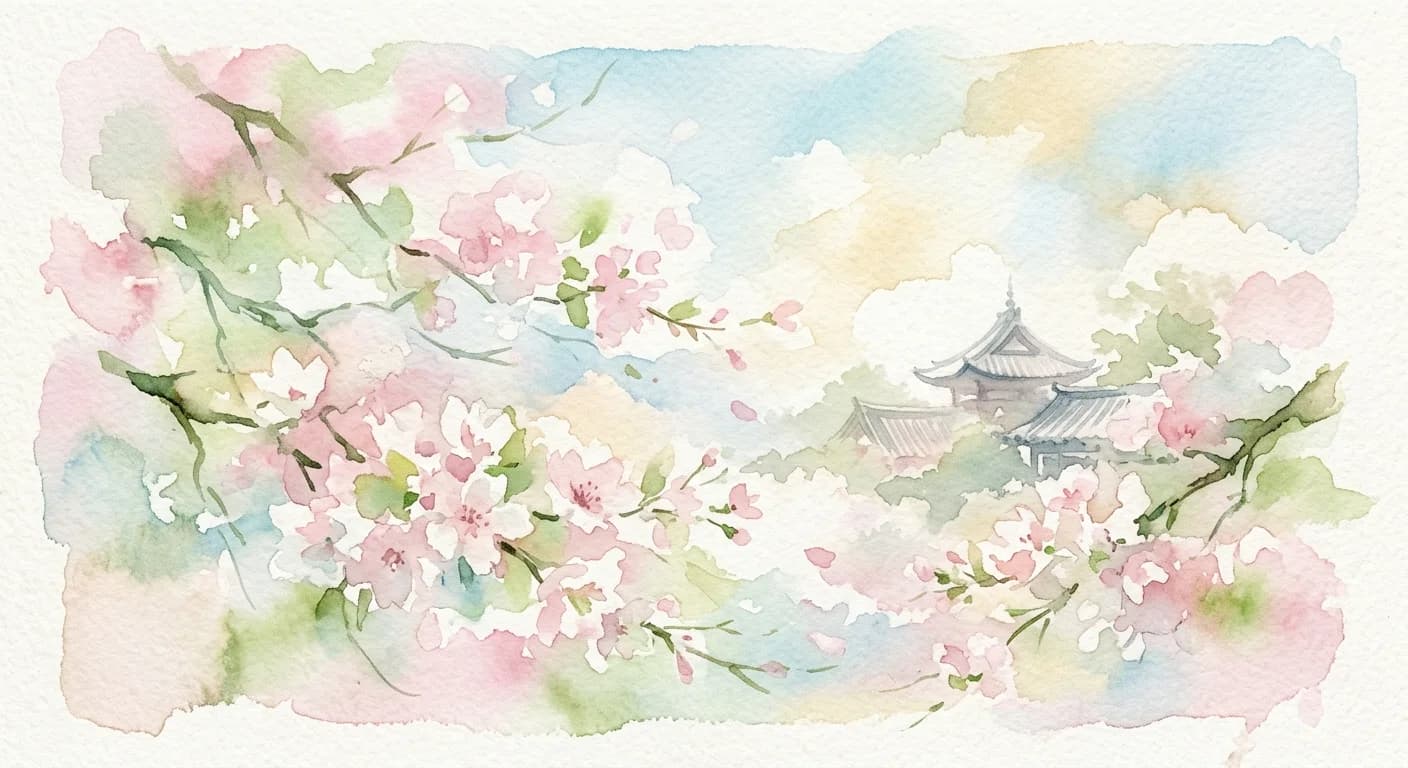
Amatsukaze is more than a mere breeze; it is the ethereal 'heavenly wind' that ushers in the vibrant energy of spring, carrying the delicate perfume of cherry blossoms and fresh greenery. This gentle, almost spiritual current whispers through the landscape, evoking a profound sense of natural beauty, fleeting serenity, and the cyclical renewal of life. It encapsulates a moment of exquisite sensory pleasure, connecting the individual to the ephemeral wonder of the natural world with an almost sacred appreciation.
Literal Translation
Heavenly wind / Sky wind
The Story Behind the Word
The existence of 'Amatsukaze' is deeply rooted in Japan's animistic Shinto traditions and its profound aesthetic sensitivity to nature. In Shinto, kami (deities or spirits) reside in natural elements, and a 'heavenly wind' suggests a divine presence, a breath from the heavens blessing the earth. This reverence for nature, particularly its transient beauty, is a cornerstone of Japanese aesthetics like mono no aware (the pathos of things) and wabi-sabi (the beauty of imperfection and transience). 'Amatsukaze' embodies this appreciation for fleeting moments of natural perfection, revealing a culture that finds spiritual depth and artistic inspiration in the subtle shifts of the seasons and the delicate interplay of elements.
Experience It
Spring Festival Breeze
During a cherry blossom viewing picnic, a soft current rustles through the pink petals, sending them dancing like snowflakes. 'Ah, Amatsukaze,' an elderly woman murmurs, closing her eyes to savor the cool, fragrant air on her face, a wistful smile playing on her lips.
Morning Temple Serenity
As the sun rises over a quiet temple garden, a gentle gust sweeps through the pines, carrying the scent of dew and distant plum blossoms. A monk pauses in his meditation, feeling the Amatsukaze as a subtle, purifying presence, a reminder of the interconnectedness of all things.
The Deeper Meaning
This word reflects a worldview where humanity is not separate from nature, but intimately interwoven with it. It underscores the Japanese philosophical emphasis on impermanence (mujo) and the beauty found in transient moments. To experience 'Amatsukaze' is to acknowledge the delicate balance of the natural world and to find spiritual meaning in its ephemeral dance, fostering a profound sense of gratitude and mindful presence.
Did You Know?
The word 'Amatsukaze' is also the name of a famous 9th-century waka poem by Semimaru, lamenting the passing of seasons and the fleeting nature of life, highlighting its ancient poetic significance.
How It's Used
Used to describe a pleasant, natural wind, often associated with spring and the scent of flowers, carrying a sense of beauty and ephemerality.