U.
HomeRegionsLanguagesEmotionsCollections
Find Your Word

“The limits of my language mean the limits of my world.”

— Ludwig Wittgenstein, Philosopher

Untranslatable

A curated collection of the world's most beautiful expressions—words that remind us language is humanity's greatest invention.

  • Home
  • Collections
  • Regions
  • Countries
  • Emotions
  • Tags
  • Contexts
  • Finder
  • Europe
  • Asia
  • Americas
  • Africa
  • Middle East
  • About
  • Contact
  • Privacy Policy
  • Terms of Service

2026 © Untranslatable. All rights reserved.

    /
    /
    1. Home
    2. /
    3. Africa
    4. /
    5. Bokor
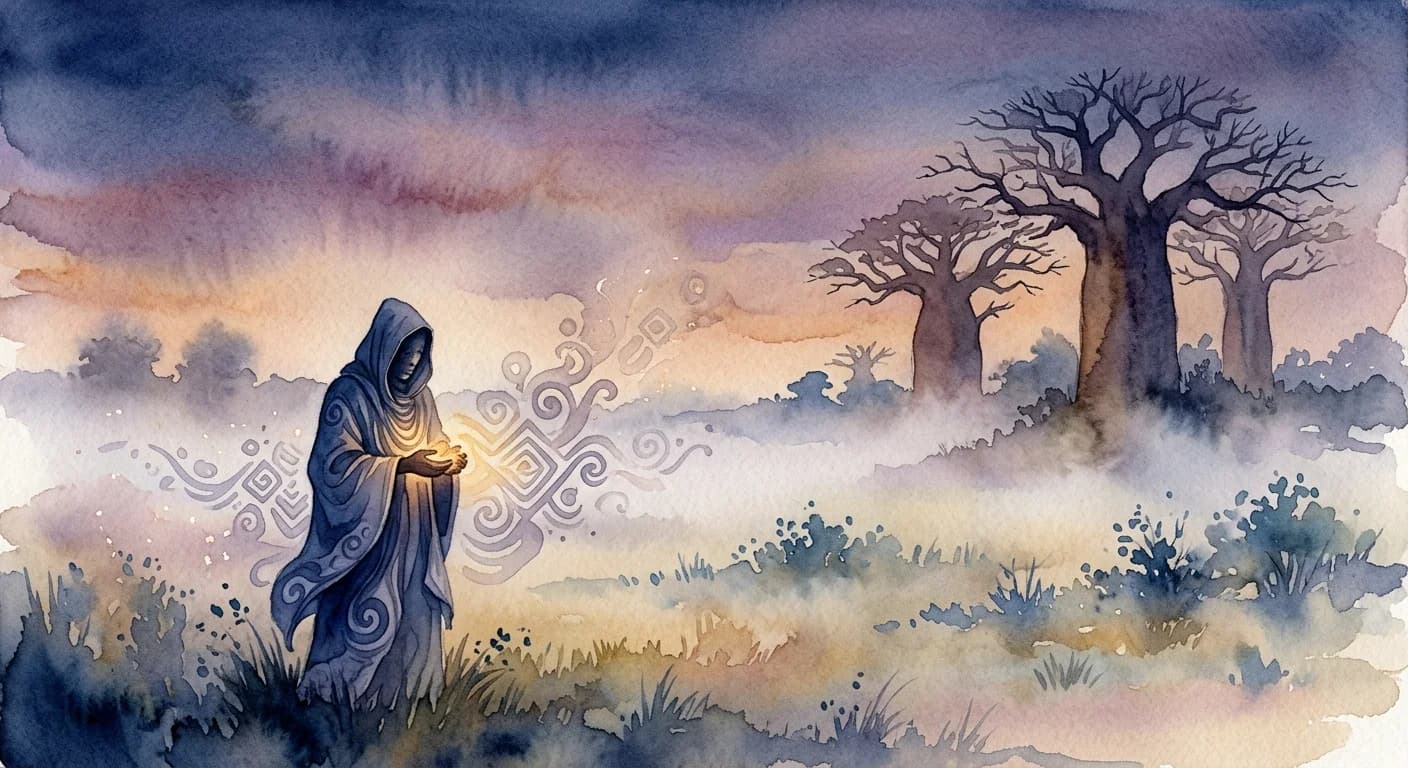
    Artistic representation of Bokor
    Fon•
    🇧🇯Benin🇭🇹Haiti

    Bokor

    /BOH-kor/

    Meaning

    In the vibrant spiritual landscape of Fon and Haitian Vodou, a 'Bokor' is a formidable sorcerer, a master of complex magical rites that extend beyond the conventional. Unlike priests who serve the Lwa (spirits) for communal well-being, the Bokor navigates the liminal spaces between life and death, often for personal gain or to fulfill specific, sometimes malevolent, commissions. They are renowned for their ability to manipulate spiritual forces, craft potent charms, and, most chillingly, to reanimate the dead as 'zombies' or bind souls to their service, embodying a profound and often feared spiritual authority.

    Literal Translation

    Sorcerer, magician

    The Story Behind the Word

    The concept of a 'Bokor' is deeply embedded in the cosmological framework of Vodou, reflecting a worldview where spiritual power is fluid and can be harnessed for diverse ends, not always benevolent. This figure emerged from the syncretic traditions of West African religions, particularly those of the Fon people, blending with indigenous beliefs in the Americas during the transatlantic slave trade. The existence of the Bokor underscores a fundamental belief in the accessibility and malleability of spiritual forces, suggesting that while there are spirits of light and healing, there are also those that can be compelled for darker purposes. The fear and respect accorded to Bokors reveal a society acutely aware of the dual nature of power and the intricate balance between good and evil, order and chaos, within the spiritual realm. They serve as a powerful reminder of the consequences of spiritual transgression and the boundaries of human intervention in the divine.

    Experience It

    A Village's Fearful Whisper

    Rumors spread through the village like wildfire: 'Old Man Jean crossed a Bokor, and now his crops wither.' The villagers looked at each other with fear, knowing that such a confrontation could bring about a curse that no ordinary priest could undo.

    Seeking Potent Protection

    Facing a relentless enemy, a desperate individual sought out the reclusive Bokor, offering a hefty sum. They knew only a Bokor possessed the esoteric knowledge and powerful charms to provide the ultimate, unassailable protection from their foe.

    The Deeper Meaning

    The 'Bokor' embodies a profound philosophical insight into the nature of power itself: that it is inherently neutral and its moral valence is determined by the intent and actions of its wielder. This figure challenges the simplistic dichotomy of good versus evil, instead presenting a complex spiritual ecosystem where mastery over supernatural forces can lead to both creation and destruction, highlighting the heavy burden of spiritual responsibility and personal choice within a world governed by unseen energies.

    Did You Know?

    While often associated with malevolent acts, some Bokors are also sought for powerful protective charms or to break curses, demonstrating the nuanced perception of their capabilities within Vodou.

    How It's Used

    Used to refer to a specific type of practitioner within Vodou traditions, often one who is skilled in darker or more complex forms of magic.

    Emotions
    fear,wonder
    Contexts
    daily life,religion,tradition
    🇧🇯Benin🇭🇹Haiti

    by Kwame Nkrumah·Written Mar 14, 2026·Updated Apr 3, 2026

    Related Words

    Explore more
    UbuntuZulu/Xhosa

    Ubuntu is a profound African philosophy that translates to 'I am because we are,' signifying that an individual's humanity is inextricably linked to the humanity of others. It embodies the belief that our existence and well-being are deeply intertwined with the community. This concept emphasizes compassion, reciprocity, dignity, and the understanding that true fulfillment is found not in isolation, but through collective flourishing and mutual support. It's a call to recognize and affirm the humanity in everyone, fostering a sense of interconnectedness.

    FolkeoplysningDanish

    Folkeoplysning is the vibrant heartbeat of Danish civil society, a profound commitment to public enlightenment that transcends formal schooling. It embodies the lifelong journey of knowledge acquisition and cultural immersion for every citizen, fostering critical thinking and active democratic participation. Through accessible institutions like folk high schools, libraries, and community initiatives, it empowers individuals to understand their world, engage meaningfully, and contribute to a cohesive, informed society, viewing education not as a privilege but as a fundamental right and societal pillar.

    MångataSwedish

    Mångata vividly describes the mesmerizing, shimmering path of moonlight dancing across a body of water, be it a tranquil lake or the vast sea. This luminous spectacle, resembling a silver road unfurling on the dark surface, evokes a profound sense of peace and contemplative wonder. It's an ephemeral natural artwork, deeply embedded in the Nordic psyche, that transforms ordinary nights into moments of sublime beauty, inviting quiet introspection amidst nature's grandeur.

    GökottaSwedish

    Gökotta is the cherished Swedish custom of rising early, often before the first blush of dawn, not out of obligation, but with the specific intention of luxuriating in the symphony of birdsong. This isn't merely early waking; it's a deliberate immersion in the tranquil transition from night's slumber to day's awakening, typically enjoyed from the cozy warmth of one's bed. It embodies a profound, almost meditative, appreciation for nature's daily rebirth, offering a moment of serene introspection before the world's demands intrude.