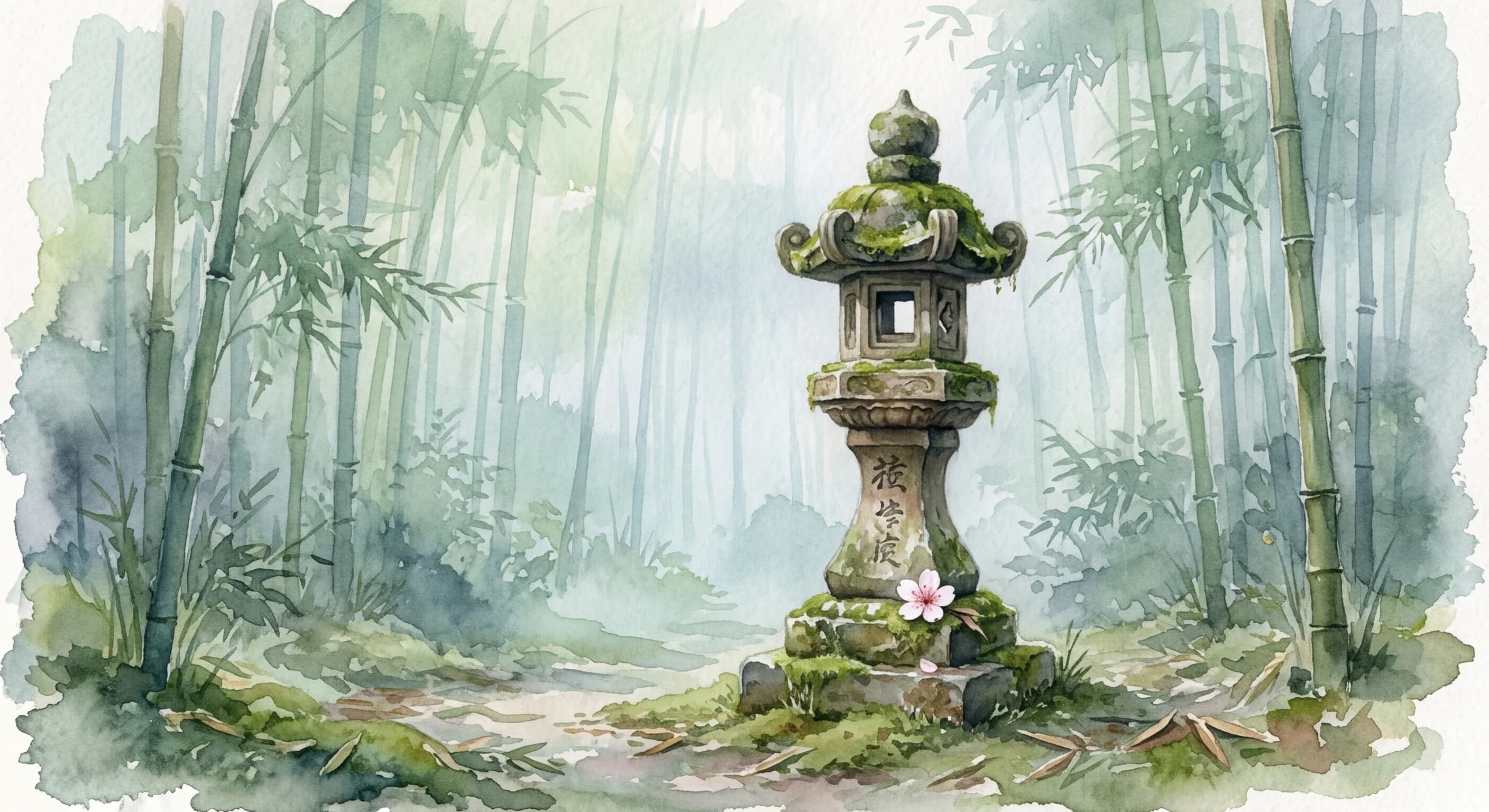
Seijaku
/SAY-jah-koo/
Meaning
Seijaku transcends mere quietude, embodying a profound, active stillness where the absence of external noise allows for heightened internal awareness. It's a vibrant tranquility, often found in nature or during deep contemplation, that fosters introspection and a deep connection to one's surroundings. This state of serene calm cultivates peace and presence, becoming a cherished ideal in Japanese aesthetics, Zen Buddhism, and mindfulness practices. It's not just silence, but a profound, almost spiritual, resonance that emerges from that silence.
Literal Translation
silence, stillness, tranquility
The Story Behind the Word
The concept of seijaku is deeply rooted in Zen Buddhist philosophy and traditional Japanese aesthetics, particularly Wabi-Sabi, which finds beauty in imperfection, transience, and simplicity. It reflects a cultural value placed on introspection, harmony with nature, and the appreciation of subtle details. For centuries, practices like tea ceremony (chado) and flower arranging (ikebana) have sought to cultivate seijaku, encouraging practitioners to enter a state of profound calm and focus. This word exists because Japanese culture has long recognized the restorative power of inner stillness and the profound insights that can arise from a quiet mind, viewing it as essential for spiritual growth and artistic expression. It reveals a worldview that values silence not as an emptiness, but as a rich, fertile ground for presence and understanding.
Experience It
Zen Garden Contemplation
Sitting by the raked gravel of a Zen garden, the gentle rustle of leaves was the only sound. A deep seijaku settled over him, the quiet allowing his mind to clear and find profound peace amidst the carefully placed stones.
Forest Bathing
Deep within the ancient forest, surrounded by towering cedars, she felt a powerful seijaku. The air was cool, the light dappled, and the absence of human-made noise brought a vibrant stillness that connected her deeply to the living world around her.
The Deeper Meaning
Seijaku reveals a profound philosophical understanding that true presence and deep connection emerge not from external stimulation, but from internal quietude. It posits that by stilling the mind and embracing silence, one can achieve a heightened state of awareness, allowing for a more authentic and resonant experience of existence. This concept underscores the Japanese emphasis on finding beauty and meaning in the subtle, the understated, and the transient.
Did You Know?
Seijaku is one of the "four characteristics of the tea ceremony," alongside wakei (harmony), kei (reverence), and jaku (purity), highlighting its central role in achieving spiritual peace.
How It's Used
Seijaku is used to describe a state of profound silence, calm, and stillness, often associated with natural settings like a tranquil forest, a quiet garden, or during meditative practices.