U.
HomeRegionsLanguagesEmotionsCollections
Find Your Word

“The limits of my language mean the limits of my world.”

— Ludwig Wittgenstein, Philosopher

Untranslatable

A curated collection of the world's most beautiful expressions—words that remind us language is humanity's greatest invention.

  • Home
  • Collections
  • Regions
  • Countries
  • Emotions
  • Tags
  • Contexts
  • Finder
  • Europe
  • Asia
  • Americas
  • Africa
  • Middle East
  • About
  • Contact
  • Privacy Policy
  • Terms of Service

2026 © Untranslatable. All rights reserved.

    /
    /
    1. Home
    2. /
    3. Asia
    4. /
    5. Zanshin
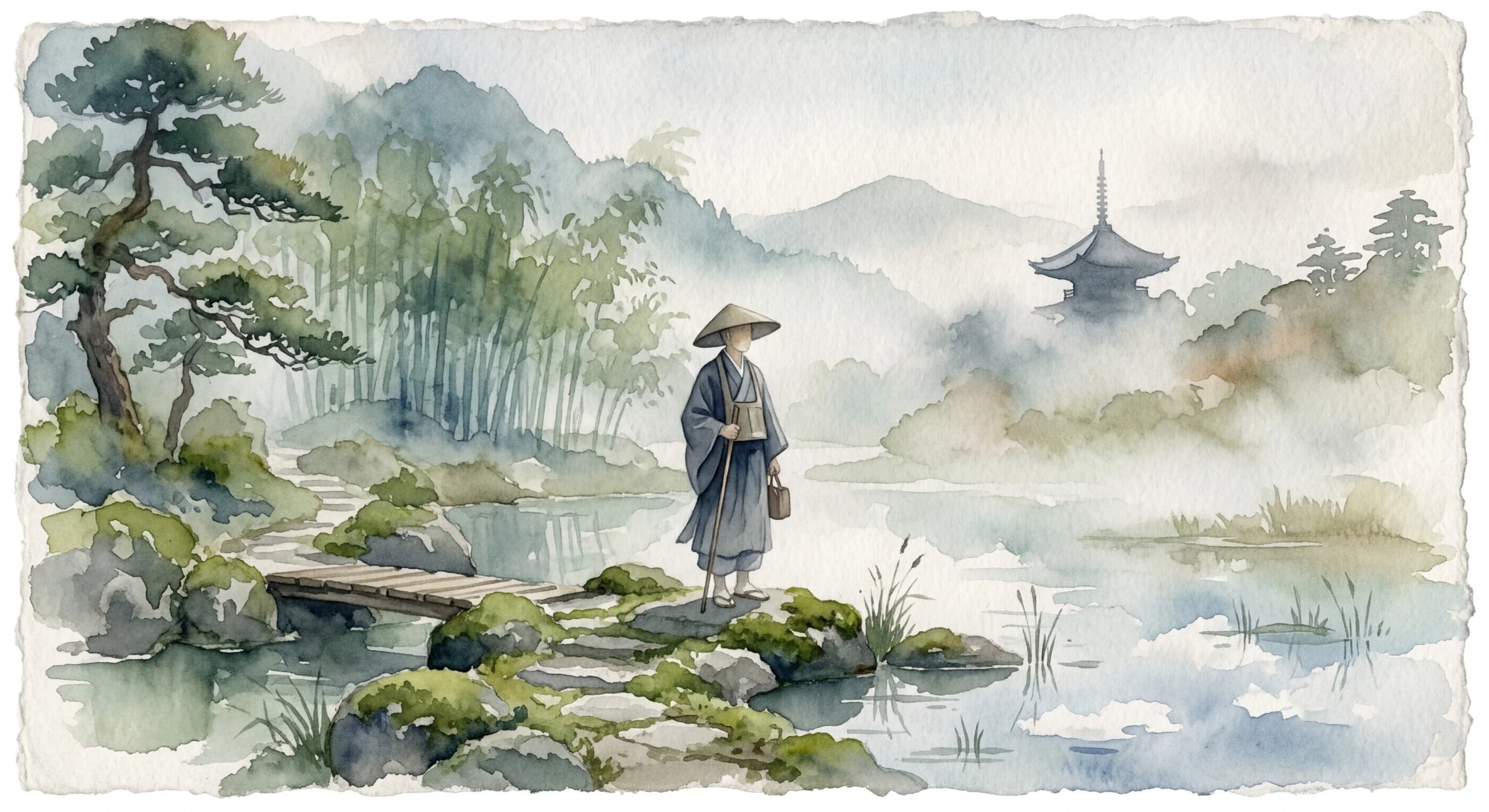
    Artistic representation of Zanshin
    Japanese•
    🇯🇵Japan

    Zanshin

    /ZAHN-shin/

    Meaning

    Zanshin embodies a profound state of continuous, unbroken awareness and mental readiness that extends beyond the completion of an action. It's the art of maintaining a calm, expansive attentiveness, where one's senses remain finely tuned to the environment, even after a decisive move. This 'lingering mind' ensures immediate preparedness for any subsequent development, fostering a seamless flow of presence and responsiveness. It signifies a holistic engagement, where the mind is fluid, alert, and capable of instantly adapting with grace and precision.

    Literal Translation

    remaining mind / lingering mind

    The Story Behind the Word

    Zanshin is deeply rooted in the samurai ethos and Zen Buddhist philosophy that permeated classical Japanese martial arts. It reflects a worldview where vigilance is not merely a tactical advantage but a moral imperative and a path to enlightenment. The concept highlights the interconnectedness of mind, body, and spirit, emphasizing that true mastery lies not just in physical technique but in an unwavering mental state. Its existence reveals a cultural value placed on constant self-awareness, preparedness, and the understanding that actions have consequences that demand sustained attention, reflecting a profound respect for the present moment and future eventualities.

    Experience It

    Archer's Lingering Focus

    After releasing the arrow, the archer holds their posture, eyes fixed on the target even as the arrow flies. This zanshin prevents complacency, readying them for a follow-up shot or an unexpected shift in the environment.

    Karateka's Post-Strike Alertness

    A karate practitioner delivers a powerful punch, but their gaze remains sharp, body poised. This zanshin acknowledges that an opponent might retaliate or another threat could emerge, ensuring they are not caught off guard by their own success.

    The Deeper Meaning

    Zanshin reveals a philosophy of continuous engagement with reality, advocating for a state of mind that transcends individual actions. It underscores the belief that true mastery involves not just performing a task, but integrating it into a larger flow of awareness. This concept suggests that life is a series of interconnected moments, each demanding full mental presence, fostering a disciplined yet fluid approach to existence.

    Did You Know?

    Zanshin isn't exclusive to combat; it's also observed in traditional Japanese arts like calligraphy and tea ceremony, where the artist maintains a focused, mindful presence even after the brushstroke or serving gesture is complete.

    How It's Used

    Primarily used in the context of martial arts training and philosophy, referring to the state of mind during and after combat or a practiced form.

    Emotions
    excitement,fear,peace,serenity
    Contexts
    relaxation,weather,work
    🇯🇵Japan

    by Dr. Kenji Tanaka·Written Mar 10, 2026·Updated Apr 3, 2026

    Related Words

    Explore more
    Dolce far nienteItalian

    Dolce far niente captures the profound joy and effortless pleasure derived from simply existing without obligation or purpose. It's the art of savoring moments of pure, unadulterated idleness – lying in the sun, watching the clouds drift, or enjoying a leisurely coffee – not as a break from work, but as a valuable state in itself. This 'sweetness of doing nothing' is a conscious embrace of stillness and contentment, allowing the soul to breathe and the senses to fully engage with the present.

    Wabi-sabiJapanese

    Wabi-sabi is the profound appreciation for the ephemeral, the imperfect, and the incomplete aspects of existence. It is about discovering beauty in the subtle textures of age, the unique character of flaws, and the gentle decay that marks the passage of time. This philosophy encourages a quiet acceptance of impermanence and a mindful connection to the natural world, finding elegance in simplicity and authenticity.

    IkigaiJapanese

    Ikigai is more than just a reason to get out of bed; it's a deeply personal and evolving sense of purpose that brings genuine fulfillment and joy to one's life. It represents the sweet spot where your passions, talents, needs of the world, and what you can be paid for beautifully converge. Discovering your ikigai often leads to a life lived with intentionality, resilience, and a profound connection to one's contributions. It's the intrinsic motivation that fuels a meaningful existence, regardless of external circumstances.

    NunchiKorean

    Nunchi is the sophisticated, almost telepathic, ability to instantly grasp the unspoken dynamics of any social situation, anticipating others' thoughts and feelings, and then responding with impeccable grace and timing. It's an acute form of social intuition, allowing one to navigate complex interpersonal landscapes by reading subtle cues like body language, tone, and context. Possessing good nunchi means effortlessly understanding the underlying emotional currents and adjusting one's behavior to maintain harmony and effectiveness, often without a single word exchanged.