U.
HomeRegionsLanguagesEmotionsCollections
Find Your Word

“The limits of my language mean the limits of my world.”

— Ludwig Wittgenstein, Philosopher

Untranslatable

A curated collection of the world's most beautiful expressions—words that remind us language is humanity's greatest invention.

  • Home
  • Collections
  • Regions
  • Countries
  • Emotions
  • Tags
  • Contexts
  • Finder
  • Europe
  • Asia
  • Americas
  • Africa
  • Middle East
  • About
  • Contact
  • Privacy Policy
  • Terms of Service

2026 © Untranslatable. All rights reserved.

    /
    /
    1. Home
    2. /
    3. Asia
    4. /
    5. Ma
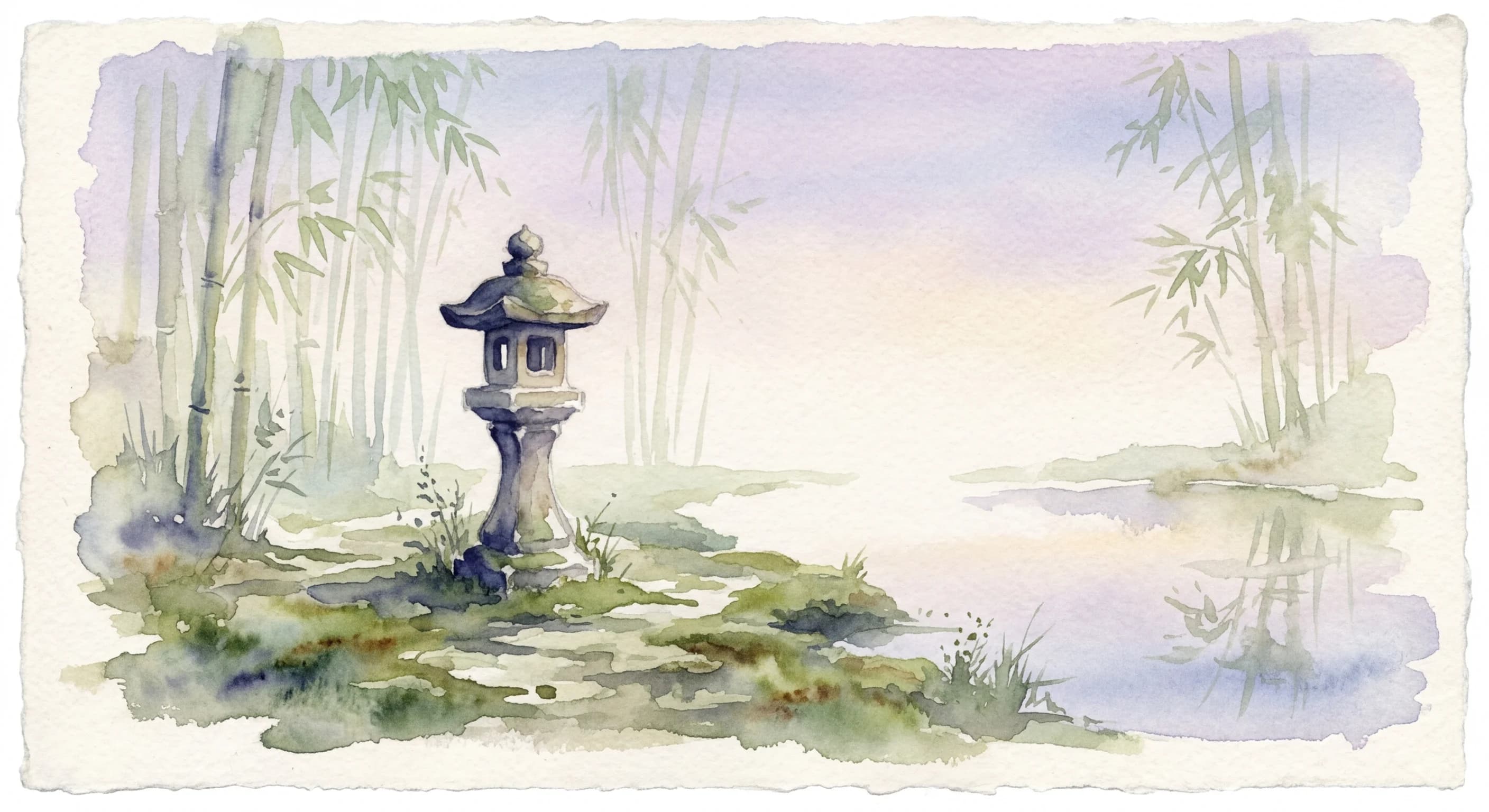
    Artistic representation of Ma
    Japanese•
    🇯🇵Japan

    Ma

    /MAH/

    Meaning

    In Japanese aesthetics and philosophy, 'Ma' is not merely an empty void but a dynamic, conscious interval pregnant with meaning and potential. It represents the space between things, the strategic pause in time, or the silence that amplifies sound, creating a profound sense of balance, harmony, and anticipation. This deliberate non-presence is vital, allowing elements to breathe, defining their forms, and inviting contemplation, thereby elevating the overall experience from the mundane to the artful.

    Literal Translation

    Space, interval, gap

    The Story Behind the Word

    The concept of 'Ma' is deeply rooted in Japan's indigenous animistic beliefs and later refined through Zen Buddhist philosophy, which emphasizes emptiness (sunyata) as a source of all forms. It reflects a worldview where absence is as significant as presence, and that true understanding often emerges from what is unsaid or unshown. This perspective permeates Japanese arts from the sparse brushstrokes of sumi-e painting and the deliberate spacing in ikebana flower arrangement, to the rhythmic silences in Noh theatre and the judicious placement of elements in garden design. 'Ma' is a fundamental principle for perceiving and organizing the world, revealing a culture that values subtlety, suggestion, and the power of implication over explicit declaration.

    Experience It

    Garden's Silent Invitation

    A visitor walks through a traditional Japanese garden. Instead of being filled with continuous elements, there are carefully placed rocks, a lone pine, and vast stretches of raked gravel. This 'Ma' between the features doesn't feel empty; instead, it invites the eye to pause, to contemplate the journey, and to appreciate the individual elements more profoundly.

    Martial Arts Pause

    During a Kendo match, two practitioners stand perfectly still, their bokken (wooden swords) poised. The 'Ma' in this moment isn't inaction but a charged period of intense mental calculation, anticipating the opponent's next move. It's the moment where strategy is forged, and the potential for explosive action hangs in the air, defined by the silence and stillness.

    The Deeper Meaning

    At its core, 'Ma' embodies a philosophy that sees value in the unmanifested, the potential, and the space for growth. It challenges the Western inclination to fill every void, suggesting that true completeness often arises from deliberate incompleteness. This worldview fosters patience, encourages introspection, and cultivates an appreciation for the subtle interplay between presence and absence in all aspects of life.

    Did You Know?

    The Japanese word for 'room' (heya) literally combines the characters for 'room' (he) and 'interval' (ma), suggesting that a room is defined by the space within its boundaries.

    How It's Used

    Used to describe the intentional use of space, time, or silence to create a specific effect or feeling. It's often applied in discussions of art, design, martial arts, music, and even social etiquette.

    Emotions
    peace,serenity,wonder
    Contexts
    greeting,nature,relaxation
    🇯🇵Japan

    by Dr. Kenji Tanaka·Written Mar 10, 2026·Updated Apr 3, 2026

    Related Words

    Explore more
    Dolce far nienteItalian

    Dolce far niente captures the profound joy and effortless pleasure derived from simply existing without obligation or purpose. It's the art of savoring moments of pure, unadulterated idleness – lying in the sun, watching the clouds drift, or enjoying a leisurely coffee – not as a break from work, but as a valuable state in itself. This 'sweetness of doing nothing' is a conscious embrace of stillness and contentment, allowing the soul to breathe and the senses to fully engage with the present.

    Wabi-sabiJapanese

    Wabi-sabi is the profound appreciation for the ephemeral, the imperfect, and the incomplete aspects of existence. It is about discovering beauty in the subtle textures of age, the unique character of flaws, and the gentle decay that marks the passage of time. This philosophy encourages a quiet acceptance of impermanence and a mindful connection to the natural world, finding elegance in simplicity and authenticity.

    IkigaiJapanese

    Ikigai is more than just a reason to get out of bed; it's a deeply personal and evolving sense of purpose that brings genuine fulfillment and joy to one's life. It represents the sweet spot where your passions, talents, needs of the world, and what you can be paid for beautifully converge. Discovering your ikigai often leads to a life lived with intentionality, resilience, and a profound connection to one's contributions. It's the intrinsic motivation that fuels a meaningful existence, regardless of external circumstances.

    NunchiKorean

    Nunchi is the sophisticated, almost telepathic, ability to instantly grasp the unspoken dynamics of any social situation, anticipating others' thoughts and feelings, and then responding with impeccable grace and timing. It's an acute form of social intuition, allowing one to navigate complex interpersonal landscapes by reading subtle cues like body language, tone, and context. Possessing good nunchi means effortlessly understanding the underlying emotional currents and adjusting one's behavior to maintain harmony and effectiveness, often without a single word exchanged.