U.
HomeRegionsLanguagesEmotionsCollections
Find Your Word

“The limits of my language mean the limits of my world.”

— Ludwig Wittgenstein, Philosopher

Untranslatable

A curated collection of the world's most beautiful expressions—words that remind us language is humanity's greatest invention.

  • Home
  • Collections
  • Regions
  • Countries
  • Emotions
  • Tags
  • Contexts
  • Finder
  • Europe
  • Asia
  • Americas
  • Africa
  • Middle East
  • About
  • Contact
  • Privacy Policy
  • Terms of Service

2026 © Untranslatable. All rights reserved.

    /
    /
    1. Home
    2. /
    3. Asia
    4. /
    5. 无为 (wúwéi)
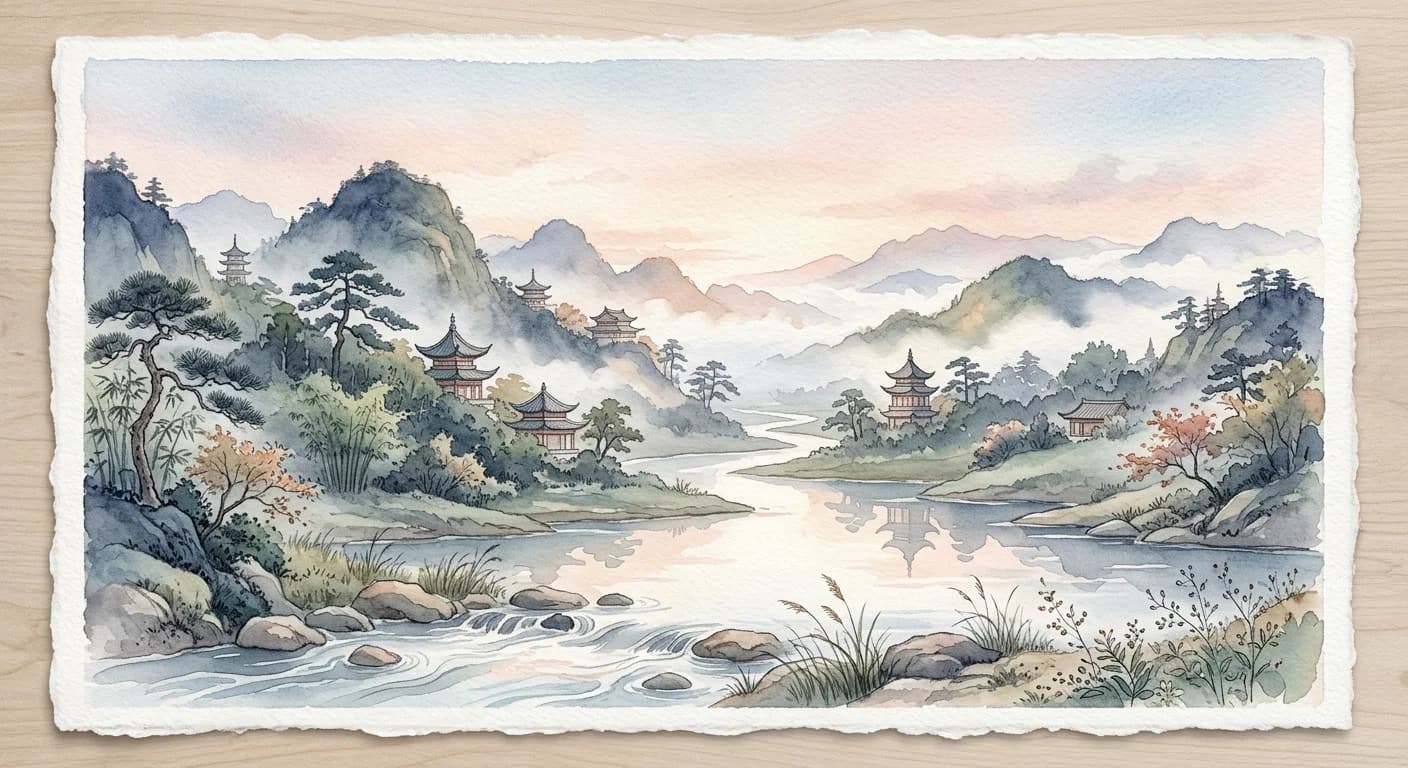
    Artistic representation of 无为 (wúwéi)
    Mandarin Chinese•
    🇨🇳China

    无为 (wúwéi)

    /woo-way/

    Meaning

    Wu wei, far from passive inaction, is a profound state of dynamic alignment with the universe's inherent rhythms. It signifies acting spontaneously and effortlessly, like a skilled artisan whose movements flow without conscious thought, achieving optimal results with minimal exertion. This 'non-doing' is a cultivated art of responding to situations organically, allowing one to navigate life's complexities with grace, effectiveness, and an inner tranquility that resists forcing or striving against the natural order.

    Literal Translation

    non-action / not doing

    The Story Behind the Word

    The concept of "无为 (wúwéi)" is deeply embedded in ancient Chinese philosophy, particularly Taoism, originating with figures like Laozi and Zhuangzi. It emerged as a counterpoint to the rigid, hierarchical social structures and moral codes promoted by Confucianism, advocating for a return to a more natural, unconstrained way of living. Wu wei reflects a worldview that sees the cosmos as a vast, interconnected organism, where true wisdom lies in understanding and harmonizing with its underlying patterns, rather than imposing human will upon it. This philosophy permeated not only spiritual practices but also informed approaches to governance, art, and daily life, emphasizing adaptability, humility, and the potent strength found in yielding, much like water shapes rock over time.

    Experience It

    The Master Chef

    A master chef prepares a complex dish. Instead of meticulously measuring every ingredient or forcing the process, his hands move intuitively, guided by years of experience and a deep understanding of the flavors. He tastes, adjusts, and stirs with an effortless flow, achieving perfection without visible strain.

    Navigating a Crowded Market

    Walking through a bustling market, a person embodying wu wei doesn't push or struggle against the crowd. Instead, they subtly shift their weight, allowing openings to appear, flowing through the throng with ease, arriving at their destination without friction or frustration, as if the crowd itself parted for them.

    The Deeper Meaning

    Wu wei encapsulates a profound ecological and holistic worldview. It suggests that true power lies not in domination or control, but in understanding and cooperating with the intrinsic forces of existence. This philosophy encourages a relinquishing of ego-driven desires to manipulate outcomes, fostering a deep trust in the universe's unfolding, and revealing that the most impactful actions often arise from a state of inner stillness and receptivity.

    Did You Know?

    The legendary Yellow Emperor is often depicted as a ruler who governed through wu wei, leading his empire to prosperity not by issuing countless decrees, but by creating conditions for natural harmony.

    How It's Used

    Primarily used in philosophical and spiritual contexts, especially within Taoism and related practices. It describes a way of being and acting in the world.

    Emotions
    contentment,peace,serenity
    Contexts
    nature,relaxation,work
    🇨🇳China

    by Dr. Kenji Tanaka·Written Mar 10, 2026·Updated Apr 3, 2026

    Related Words

    Explore more
    HyggeDanish

    Hygge is more than mere coziness; it's a holistic embrace of comfort, warmth, and belonging that nourishes the soul. It describes the intentional creation of an intimate atmosphere where simple pleasures, genuine connection, and mindful presence converge, fostering a profound sense of contentment and well-being. It's about finding joy and peace in the small, everyday moments, often shared with loved ones.

    Dolce far nienteItalian

    Dolce far niente captures the profound joy and effortless pleasure derived from simply existing without obligation or purpose. It's the art of savoring moments of pure, unadulterated idleness – lying in the sun, watching the clouds drift, or enjoying a leisurely coffee – not as a break from work, but as a valuable state in itself. This 'sweetness of doing nothing' is a conscious embrace of stillness and contentment, allowing the soul to breathe and the senses to fully engage with the present.

    Wabi-sabiJapanese

    Wabi-sabi is the profound appreciation for the ephemeral, the imperfect, and the incomplete aspects of existence. It is about discovering beauty in the subtle textures of age, the unique character of flaws, and the gentle decay that marks the passage of time. This philosophy encourages a quiet acceptance of impermanence and a mindful connection to the natural world, finding elegance in simplicity and authenticity.

    IkigaiJapanese

    Ikigai is more than just a reason to get out of bed; it's a deeply personal and evolving sense of purpose that brings genuine fulfillment and joy to one's life. It represents the sweet spot where your passions, talents, needs of the world, and what you can be paid for beautifully converge. Discovering your ikigai often leads to a life lived with intentionality, resilience, and a profound connection to one's contributions. It's the intrinsic motivation that fuels a meaningful existence, regardless of external circumstances.