U.
HomeRegionsLanguagesEmotionsCollections
Find Your Word

“The limits of my language mean the limits of my world.”

— Ludwig Wittgenstein, Philosopher

Untranslatable

A curated collection of the world's most beautiful expressions—words that remind us language is humanity's greatest invention.

  • Home
  • Collections
  • Regions
  • Countries
  • Emotions
  • Tags
  • Contexts
  • Finder
  • Europe
  • Asia
  • Americas
  • Africa
  • Middle East
  • About
  • Contact
  • Privacy Policy
  • Terms of Service

2026 © Untranslatable. All rights reserved.

    /
    /
    1. Home
    2. /
    3. Asia
    4. /
    5. Sukoon
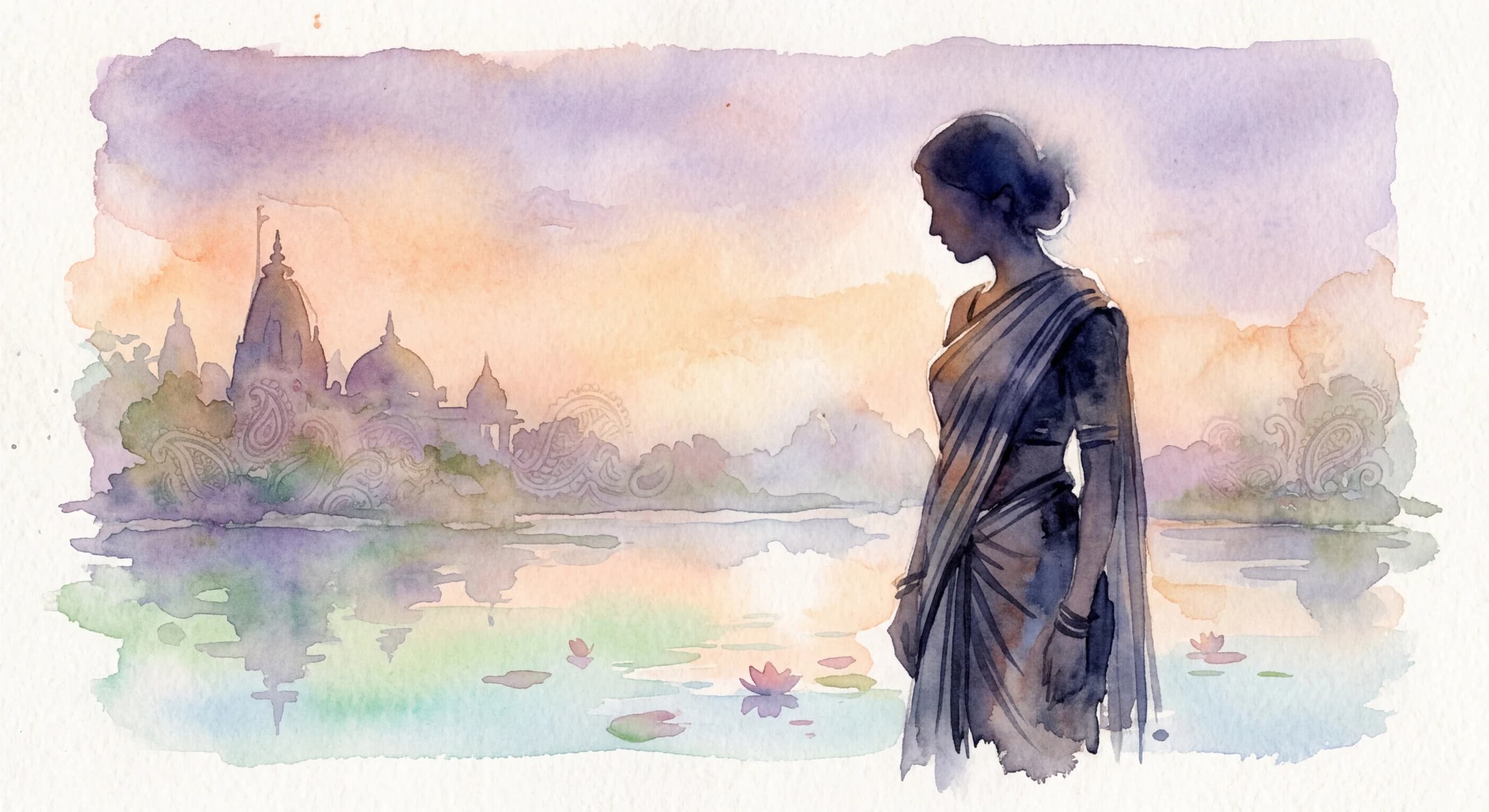
    Artistic representation of Sukoon
    Hindi•
    🇧🇩Bangladesh🇮🇳India🇳🇵Nepal🇵🇰Pakistan

    Sukoon

    /soo-KOON/

    Meaning

    Sukoon transcends mere peace; it's a profound state of inner serenity and deep contentment that permeates one's entire being. It's the quiet hum of the soul feeling completely at ease, a holistic well-being that quiets the mind's chatter and soothes emotional turbulence. This isn't just relaxation, but a sustained, rich feeling of being settled and aligned, often found in moments of genuine connection, spiritual reflection, or the simple, unadulterated joys of life. It’s a cherished anchor in the often-turbulent sea of modern existence, offering clarity and stillness.

    Literal Translation

    Peace, calm, tranquility

    The Story Behind the Word

    The concept of Sukoon is deeply embedded in the spiritual and philosophical traditions of India, particularly within Hinduism and Sufism, where inner peace is a paramount goal. It reflects a worldview that values introspection, mindfulness, and the pursuit of a harmonious existence over constant external gratification. The quest for Sukoon often involves practices like meditation, yoga, or devotional music, as well as finding contentment in community and simple living. It highlights a cultural understanding that true well-being stems not from material possessions or external circumstances, but from a cultivated state of mind and spirit. This word exists because the culture has historically prioritized the inner landscape and the journey towards self-realization, recognizing that true peace is an internal achievement, not an external acquisition.

    Experience It

    Evening Chai Sukoon

    After a long, bustling day, Meena sips her hot chai on the veranda, watching the sunset paint the sky. The gentle breeze, the distant temple bells, and the warmth of the mug in her hands bring a profound sense of Sukoon, washing away the day's stresses.

    Mountain Retreat Sukoon

    Lost in the majestic quiet of the Himalayas, Rohan meditates by a cascading stream. The crisp, clean air and the rhythmic sound of the water create an undeniable Sukoon, allowing his mind to clear and his spirit to feel utterly at peace.

    The Deeper Meaning

    Sukoon reveals a philosophy that places immense value on the internal state over external conditions. It suggests that true happiness and stability are cultivated from within, through self-awareness and a harmonious relationship with one's environment and inner self. This emphasizes a journey towards spiritual and emotional equilibrium as life's ultimate pursuit, rather than the relentless chase of material success or fleeting pleasures.

    Did You Know?

    Did you know 'Sukoon' is frequently used in Bollywood songs and poetry to describe the ultimate feeling of comfort, love, or relief, often associated with finding one's true home or beloved?

    How It's Used

    Used to describe a state of deep peace, calm, or tranquility, often in response to a soothing environment, a moment of reflection, or a feeling of contentment.

    Emotions
    comfort,contentment,peace,serenity
    Contexts
    family,nature,relaxation,solitude
    🇧🇩Bangladesh🇮🇳India🇳🇵Nepal🇵🇰Pakistan

    by Dr. Kenji Tanaka·Written Mar 10, 2026·Updated Apr 3, 2026

    Related Words

    Explore more
    HyggeDanish

    Hygge is more than mere coziness; it's a holistic embrace of comfort, warmth, and belonging that nourishes the soul. It describes the intentional creation of an intimate atmosphere where simple pleasures, genuine connection, and mindful presence converge, fostering a profound sense of contentment and well-being. It's about finding joy and peace in the small, everyday moments, often shared with loved ones.

    Dolce far nienteItalian

    Dolce far niente captures the profound joy and effortless pleasure derived from simply existing without obligation or purpose. It's the art of savoring moments of pure, unadulterated idleness – lying in the sun, watching the clouds drift, or enjoying a leisurely coffee – not as a break from work, but as a valuable state in itself. This 'sweetness of doing nothing' is a conscious embrace of stillness and contentment, allowing the soul to breathe and the senses to fully engage with the present.

    Wabi-sabiJapanese

    Wabi-sabi is the profound appreciation for the ephemeral, the imperfect, and the incomplete aspects of existence. It is about discovering beauty in the subtle textures of age, the unique character of flaws, and the gentle decay that marks the passage of time. This philosophy encourages a quiet acceptance of impermanence and a mindful connection to the natural world, finding elegance in simplicity and authenticity.

    IkigaiJapanese

    Ikigai is more than just a reason to get out of bed; it's a deeply personal and evolving sense of purpose that brings genuine fulfillment and joy to one's life. It represents the sweet spot where your passions, talents, needs of the world, and what you can be paid for beautifully converge. Discovering your ikigai often leads to a life lived with intentionality, resilience, and a profound connection to one's contributions. It's the intrinsic motivation that fuels a meaningful existence, regardless of external circumstances.