U.
HomeRegionsLanguagesEmotionsCollections
Find Your Word

“The limits of my language mean the limits of my world.”

— Ludwig Wittgenstein, Philosopher

Untranslatable

A curated collection of the world's most beautiful expressions—words that remind us language is humanity's greatest invention.

  • Home
  • Collections
  • Regions
  • Countries
  • Emotions
  • Tags
  • Contexts
  • Finder
  • Europe
  • Asia
  • Americas
  • Africa
  • Middle East
  • About
  • Contact
  • Privacy Policy
  • Terms of Service

2026 © Untranslatable. All rights reserved.

    /
    /
    1. Home
    2. /
    3. Middle East
    4. /
    5. Stam
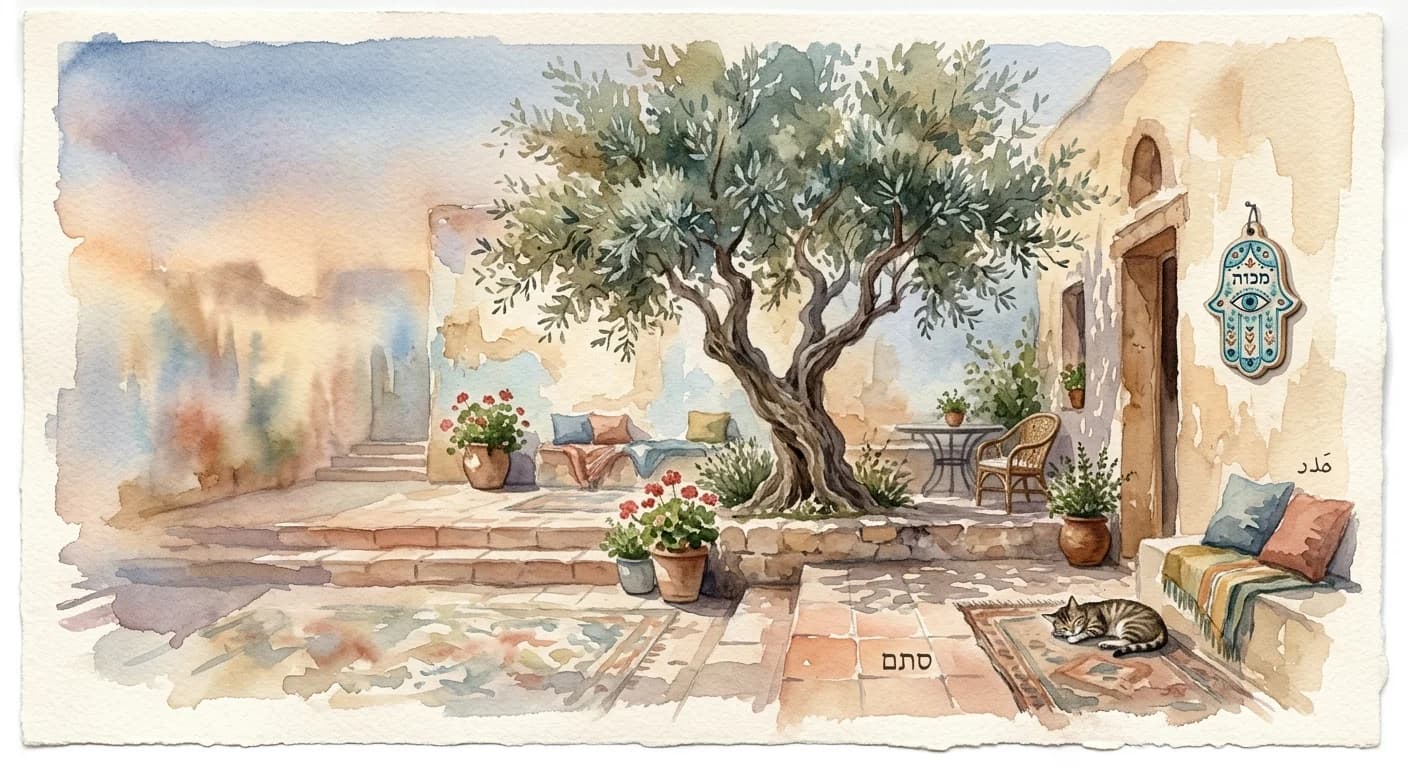
    Artistic representation of Stam
    Hebrew•
    🇮🇱Israel

    Stam

    /STAHM/

    Meaning

    Stam is a quintessentially Israeli term conveying a casual, unburdened approach to explanation and existence. It signifies that an action or state of being occurs 'just because,' without a profound underlying motive or a need for elaborate justification. This word embodies a laid-back, often spontaneous attitude, suggesting that life's moments don't always require deep analysis, but can simply exist as they are, reflecting a direct and unpretentious communication style deeply embedded in the culture.

    Literal Translation

    There isn't a direct literal translation, but it can imply 'random,' 'casual,' or 'just because.'

    The Story Behind the Word

    The word 'Stam' is deeply rooted in the pragmatic and often informal nature of Israeli culture, reflecting a society that values directness and efficiency over elaborate social niceties or overthinking. Its prevalence speaks to a collective ethos shaped by constant challenges and a need for resilience, where dwelling on minor justifications or complex reasons can feel superfluous. 'Stam' embodies a certain 'Sabra' (native-born Israeli) mentality – a no-nonsense, sometimes blunt approach to life, where things 'just are.' It allows for a release from the pressure of always having a 'good reason,' fostering an environment of casual acceptance and a rejection of unnecessary formality. This linguistic shortcut thus mirrors a cultural preference for getting to the point and moving forward, rather than lingering on introspective analysis of everyday actions.

    Experience It

    Why the detour?

    During a road trip, Sarah suddenly turns off the main highway. Her friend asks, 'Hey, why did you take that exit?' Sarah shrugs and replies, 'Stam,' implying she felt like it or had no particular reason beyond a whim.

    Just hanging out

    A friend calls David and asks, 'What are you doing tonight?' David, lounging at home, responds, 'Stam, just chilling.' He means he has no specific plans and is simply passing the time casually.

    The Deeper Meaning

    Stam reveals a philosophical leaning towards accepting the present moment without excessive intellectualization. It suggests that not every action requires a grand narrative or purpose, promoting a sense of ease and spontaneity. This worldview prioritizes immediate experience and a certain practical humility, acknowledging that many aspects of life simply 'are,' and that's often reason enough.

    Did You Know?

    Beyond 'just because,' 'Stam' can also describe something as 'ordinary' or 'not special,' like saying a movie was 'stam' if it was merely average.

    How It's Used

    Used in casual conversation to explain an action or feeling without a specific reason. For example, someone might ask 'Why did you do that?' and the reply could be 'Stam,' meaning 'just because' or 'no particular reason.' It can also describe something that is ordinary or happens routinely.

    Emotions
    belonging,comfort
    Contexts
    family,friendship,work
    🇮🇱Israel

    by Dr. Kenji Tanaka·Written Mar 10, 2026·Updated Apr 3, 2026

    Related Words

    Explore more
    SobremesaSpanish

    Sobremesa is the cherished, often extended period immediately following a meal, particularly lunch or dinner, where diners remain seated at the table to enjoy conversation, coffee, and digest not just the food, but the company itself. It’s a dedicated time for unhurried social bonding, storytelling, and shared laughter, transforming a simple meal into a profound communal experience. Far from just clearing the dishes, sobremesa is an integral part of Spanish social life, often lasting for hours.

    UbuntuZulu/Xhosa

    Ubuntu is a profound African philosophy that translates to 'I am because we are,' signifying that an individual's humanity is inextricably linked to the humanity of others. It embodies the belief that our existence and well-being are deeply intertwined with the community. This concept emphasizes compassion, reciprocity, dignity, and the understanding that true fulfillment is found not in isolation, but through collective flourishing and mutual support. It's a call to recognize and affirm the humanity in everyone, fostering a sense of interconnectedness.

    TarofPersian

    Tarof is a deeply ingrained Iranian social custom, a delicate dance of politeness and deference where individuals engage in an elaborate exchange of offers and refusals. It's a performative humility, a way of showing respect and avoiding imposing, often involving multiple cycles of insistence and polite decline before a genuine acceptance or refusal is reached. This intricate ritual governs interactions from sharing food to paying bills, creating a nuanced social ballet.

    TarabArabic

    Tarab is far more than mere enjoyment; it's a profound, almost spiritual communion with music, where the performer and audience become one in a shared emotional journey. It signifies a state of ecstatic enchantment, a deep emotional surrender that transcends the self, leading to a transformative experience. This intense connection often manifests as spontaneous vocalizations, tears, or even physical swaying, as the music penetrates the soul and evokes a powerful release of feeling. It's a moment of pure, unadulterated musical rapture.