U.
HomeRegionsLanguagesEmotionsCollections
Find Your Word

“The limits of my language mean the limits of my world.”

— Ludwig Wittgenstein, Philosopher

Untranslatable

A curated collection of the world's most beautiful expressions—words that remind us language is humanity's greatest invention.

  • Home
  • Collections
  • Regions
  • Countries
  • Emotions
  • Tags
  • Contexts
  • Finder
  • Europe
  • Asia
  • Americas
  • Africa
  • Middle East
  • About
  • Contact
  • Privacy Policy
  • Terms of Service

2026 © Untranslatable. All rights reserved.

    /
    /
    1. Home
    2. /
    3. Middle East
    4. /
    5. Kabbalah
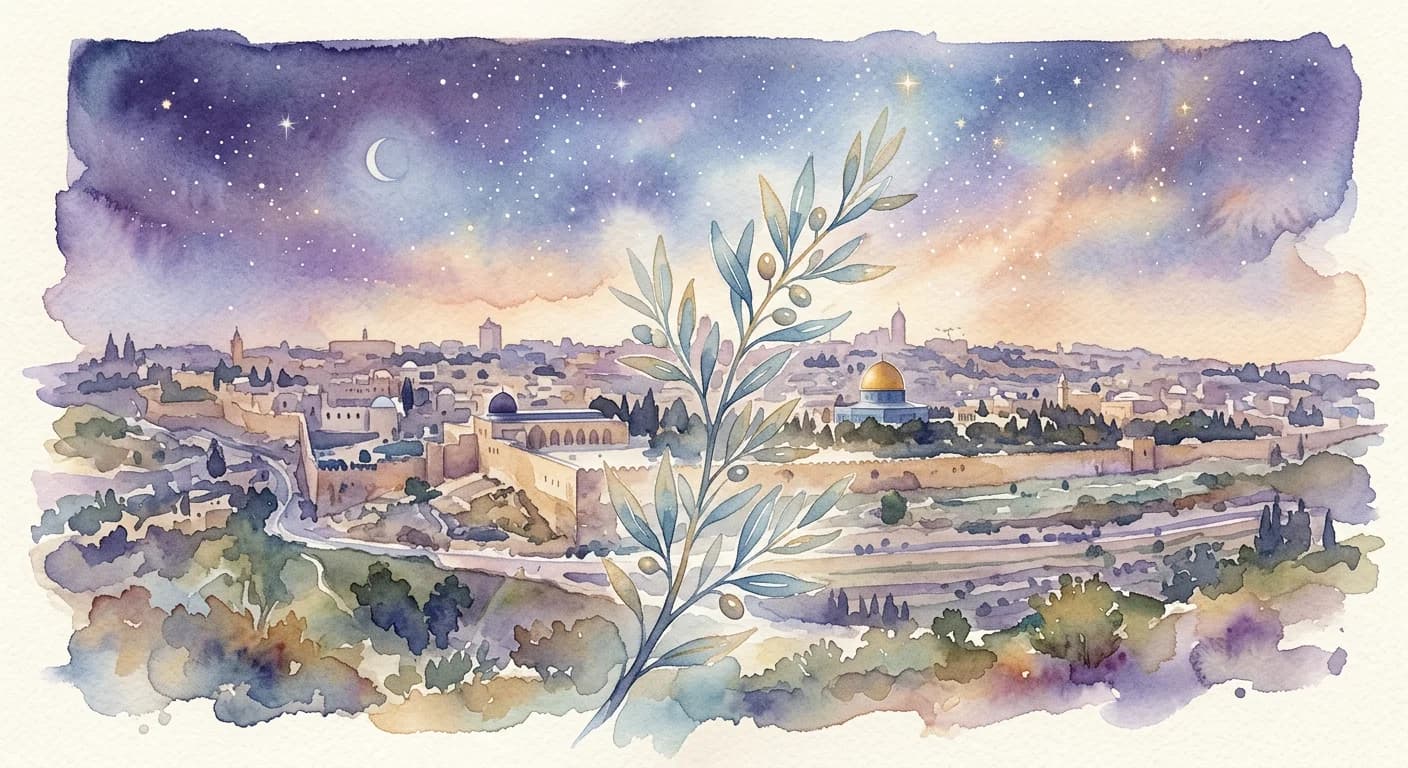
    Artistic representation of Kabbalah
    Hebrew•
    🇮🇱Israel

    Kabbalah

    /kah-bah-LAH/

    Meaning

    Kabbalah is a profound system of Jewish mysticism, a spiritual roadmap that seeks to unravel the universe's deepest secrets and the very nature of the Divine through esoteric interpretations of sacred texts. It delves into the hidden architecture of creation, exploring divine emanations (Sefirot), spiritual realms, and the intricate energetic pathways connecting all existence. Far beyond mere belief, it's a transformative path of spiritual ascent, aiming for a more intimate, experiential union with the Infinite, often through rigorous study, meditative practices, and ritual observance.

    Literal Translation

    reception, tradition

    The Story Behind the Word

    Kabbalah, meaning "reception" or "tradition," reflects a deep-seated Jewish impulse to uncover the inner, spiritual dimensions of reality beyond literal scripture. It emerged and flourished in various forms over centuries, particularly in medieval Spain with the Zohar, becoming a cornerstone of Jewish thought and spirituality. Its existence highlights a cultural value placed on profound intellectual and spiritual inquiry, the belief that divine wisdom is multilayered and accessible to those who seek it with devotion. It reveals a worldview where the material world is seen as a reflection of higher spiritual truths, and human actions have cosmic significance, emphasizing a constant striving for spiritual perfection and connection to the divine source of all being.

    Experience It

    Study Group Revelation

    A small group of students gathers weekly, poring over ancient texts. One evening, as they discuss the concept of Tzimtzum (divine contraction), a young woman exclaims, "This explains so much about human limitations and our potential for spiritual growth!" Their shared exploration of Kabbalah brings profound personal insights.

    Artist's Inspiration

    An artist, deeply immersed in Jewish thought, finds herself drawn to the symbolic complexity of the Tree of Life. She begins a series of paintings, each canvas a vibrant interpretation of a Sefirah, using Kabbalah as her muse to express the interconnectedness of divine attributes and human experience.

    The Deeper Meaning

    Kabbalah posits a universe imbued with divine intention and structure, suggesting that reality is not random but an intricate unfolding of God's essence. It reveals a worldview where humanity plays a crucial role in cosmic repair (Tikkun Olam) and spiritual elevation, emphasizing that inner seeking and ethical action are pathways to understanding and aligning with the divine will, thus imbuing existence with profound purpose and meaning.

    Did You Know?

    While often associated with ancient wisdom, the most influential Kabbalistic text, the Zohar, was primarily composed in 13th-century Spain, a period of flourishing Jewish intellectual life.

    How It's Used

    Used to refer to the body of Jewish mystical teachings and traditions.

    Emotions
    peace,serenity,wonder
    Contexts
    education,relaxation,solitude
    🇮🇱Israel

    by Sofia Rossi·Written Mar 10, 2026·Updated Apr 3, 2026

    Related Words

    Explore more
    Dolce far nienteItalian

    Dolce far niente captures the profound joy and effortless pleasure derived from simply existing without obligation or purpose. It's the art of savoring moments of pure, unadulterated idleness – lying in the sun, watching the clouds drift, or enjoying a leisurely coffee – not as a break from work, but as a valuable state in itself. This 'sweetness of doing nothing' is a conscious embrace of stillness and contentment, allowing the soul to breathe and the senses to fully engage with the present.

    TarofPersian

    Tarof is a deeply ingrained Iranian social custom, a delicate dance of politeness and deference where individuals engage in an elaborate exchange of offers and refusals. It's a performative humility, a way of showing respect and avoiding imposing, often involving multiple cycles of insistence and polite decline before a genuine acceptance or refusal is reached. This intricate ritual governs interactions from sharing food to paying bills, creating a nuanced social ballet.

    TarabArabic

    Tarab is far more than mere enjoyment; it's a profound, almost spiritual communion with music, where the performer and audience become one in a shared emotional journey. It signifies a state of ecstatic enchantment, a deep emotional surrender that transcends the self, leading to a transformative experience. This intense connection often manifests as spontaneous vocalizations, tears, or even physical swaying, as the music penetrates the soul and evokes a powerful release of feeling. It's a moment of pure, unadulterated musical rapture.

    KeyifTurkish

    Keyif is a profound state of unhurried, mindful enjoyment, a deliberate savoring of the present moment without urgency or expectation. It's not merely relaxation, but an active engagement with the simple pleasures of life, finding contentment in the sensory details of a warm cup of tea, the gentle breeze, or a quiet conversation. It embodies a serene acceptance of 'what is,' fostering an inner peace that makes even mundane activities feel like a small celebration.