U.
HomeRegionsLanguagesEmotionsCollections
Find Your Word

“The limits of my language mean the limits of my world.”

— Ludwig Wittgenstein, Philosopher

Untranslatable

A curated collection of the world's most beautiful expressions—words that remind us language is humanity's greatest invention.

  • Home
  • Collections
  • Regions
  • Countries
  • Emotions
  • Tags
  • Contexts
  • Finder
  • Europe
  • Asia
  • Americas
  • Africa
  • Middle East
  • About
  • Contact
  • Privacy Policy
  • Terms of Service

2026 © Untranslatable. All rights reserved.

    /
    /
    1. Home
    2. /
    3. Middle East
    4. /
    5. Sahar
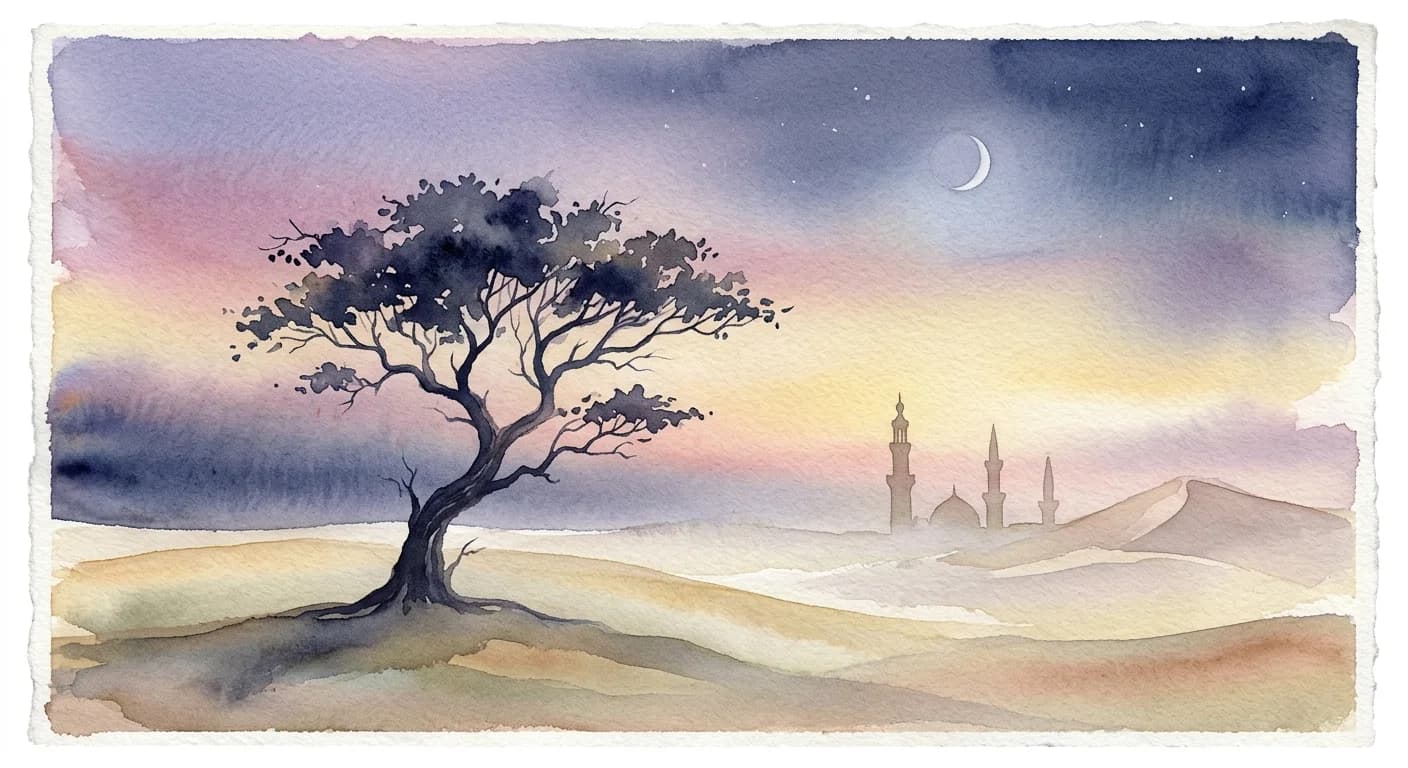
    Artistic representation of Sahar
    Arabic•
    🇩🇿Algeria🇧🇭Bahrain🇪🇬Egypt🇮🇶Iraq🇯🇴Jordan🇰🇼Kuwait🇱🇧Lebanon🇱🇾Libya🇲🇦Morocco🇴🇲Oman🇵🇸Palestine🇶🇦Qatar🇸🇦Saudi Arabia🇸🇩Sudan🇸🇾Syria🇹🇳Tunisia🇦🇪United Arab Emirates🇾🇪Yemen

    Sahar

    /SA-har/

    Meaning

    Sahar encapsulates the magical, ethereal interval just before dawn breaks, a period steeped in profound stillness and tranquility. The world is hushed, bathed in a soft, pre-sunrise glow, creating a liminal space that evokes deep peace and quiet contemplation. This unique atmosphere often invites spiritual awakening or moments of profound personal reflection, as the thin veil between the physical and spiritual feels particularly permeable. It's a serene time, yet brimming with nascent hope for the unfolding day.

    Literal Translation

    Dawn, early morning

    The Story Behind the Word

    The concept of "Sahar" is deeply ingrained in Egyptian and broader Arab-Islamic culture, stemming from both practical and spiritual considerations. Historically, this was the time for the pre-dawn meal (suhoor) during Ramadan, connecting it directly to sustenance and communal preparation for a day of fasting. More profoundly, it's the time for the Fajr (dawn) prayer in Islam, a moment considered highly blessed for communion with God, reflection, and seeking forgiveness. This spiritual significance elevates "Sahar" beyond mere timekeeping; it's a sacred window. The emphasis on quiet contemplation and spiritual connection during "Sahar" reflects a cultural value placed on introspection, gratitude, and a cyclical understanding of time, where each new day offers a fresh start and an opportunity for renewal, both mundane and divine. It reveals a worldview that finds profound meaning in the natural rhythms of the world and integrates them into daily spiritual practice.

    Experience It

    Sahar Prayer

    A woman wakes in the quietude of Sahar, the sky a bruised purple outside her window. She performs her ablutions, feeling the coolness of the water, and then kneels to pray, her voice a soft murmur in the pre-dawn stillness, finding solace and strength before the world awakens.

    Reflective Sahar

    An artist sits by his balcony during Sahar, sketching as the first faint hint of orange streaks the horizon. The profound peace of the hour allows his thoughts to coalesce, inspiring new ideas and bringing clarity to complex emotions, a perfect canvas for introspection.

    The Deeper Meaning

    The word "Sahar" embodies a philosophy that values the liminal, the transitional, and the quiet moments for profound personal and spiritual growth. It suggests that true insight and connection often occur not in the bustling activity of the day, but in the serene, contemplative space between night and day. This highlights a cultural appreciation for stillness as a conduit for inner wisdom and a recognition of the cyclical nature of life, where each dawn offers renewal and a chance for spiritual recalibration.

    Did You Know?

    In many Arabic cultures, "Sahar" is also a popular female given name, signifying beauty, serenity, and the promise of a new day, embodying the very qualities of this special time.

    How It's Used

    This term is typically used to describe the specific time of day just before sunrise, often evoking a sense of peace, beauty, or spiritual significance. It can be used poetically in literature or conversation to highlight this unique moment.

    Emotions
    hope,peace,serenity,wonder
    Contexts
    nature,relaxation,seasons,solitude
    🇩🇿Algeria🇧🇭Bahrain🇪🇬Egypt🇮🇶Iraq🇯🇴Jordan🇰🇼Kuwait🇱🇧Lebanon🇱🇾Libya🇲🇦Morocco🇴🇲Oman🇵🇸Palestine🇶🇦Qatar🇸🇦Saudi Arabia🇸🇩Sudan🇸🇾Syria🇹🇳Tunisia🇦🇪United Arab Emirates🇾🇪Yemen

    by Dr. Kenji Tanaka·Written Mar 14, 2026·Updated Apr 3, 2026

    Related Words

    Explore more
    Dolce far nienteItalian

    Dolce far niente captures the profound joy and effortless pleasure derived from simply existing without obligation or purpose. It's the art of savoring moments of pure, unadulterated idleness – lying in the sun, watching the clouds drift, or enjoying a leisurely coffee – not as a break from work, but as a valuable state in itself. This 'sweetness of doing nothing' is a conscious embrace of stillness and contentment, allowing the soul to breathe and the senses to fully engage with the present.

    TarofPersian

    Tarof is a deeply ingrained Iranian social custom, a delicate dance of politeness and deference where individuals engage in an elaborate exchange of offers and refusals. It's a performative humility, a way of showing respect and avoiding imposing, often involving multiple cycles of insistence and polite decline before a genuine acceptance or refusal is reached. This intricate ritual governs interactions from sharing food to paying bills, creating a nuanced social ballet.

    TarabArabic

    Tarab is far more than mere enjoyment; it's a profound, almost spiritual communion with music, where the performer and audience become one in a shared emotional journey. It signifies a state of ecstatic enchantment, a deep emotional surrender that transcends the self, leading to a transformative experience. This intense connection often manifests as spontaneous vocalizations, tears, or even physical swaying, as the music penetrates the soul and evokes a powerful release of feeling. It's a moment of pure, unadulterated musical rapture.

    KeyifTurkish

    Keyif is a profound state of unhurried, mindful enjoyment, a deliberate savoring of the present moment without urgency or expectation. It's not merely relaxation, but an active engagement with the simple pleasures of life, finding contentment in the sensory details of a warm cup of tea, the gentle breeze, or a quiet conversation. It embodies a serene acceptance of 'what is,' fostering an inner peace that makes even mundane activities feel like a small celebration.