U.
HomeRegionsLanguagesEmotionsCollections
Find Your Word

“The limits of my language mean the limits of my world.”

— Ludwig Wittgenstein, Philosopher

Untranslatable

A curated collection of the world's most beautiful expressions—words that remind us language is humanity's greatest invention.

  • Home
  • Collections
  • Regions
  • Countries
  • Emotions
  • Tags
  • Contexts
  • Finder
  • Europe
  • Asia
  • Americas
  • Africa
  • Middle East
  • About
  • Contact
  • Privacy Policy
  • Terms of Service

2026 © Untranslatable. All rights reserved.

    /
    /
    1. Home
    2. /
    3. Middle East
    4. /
    5. Shalom
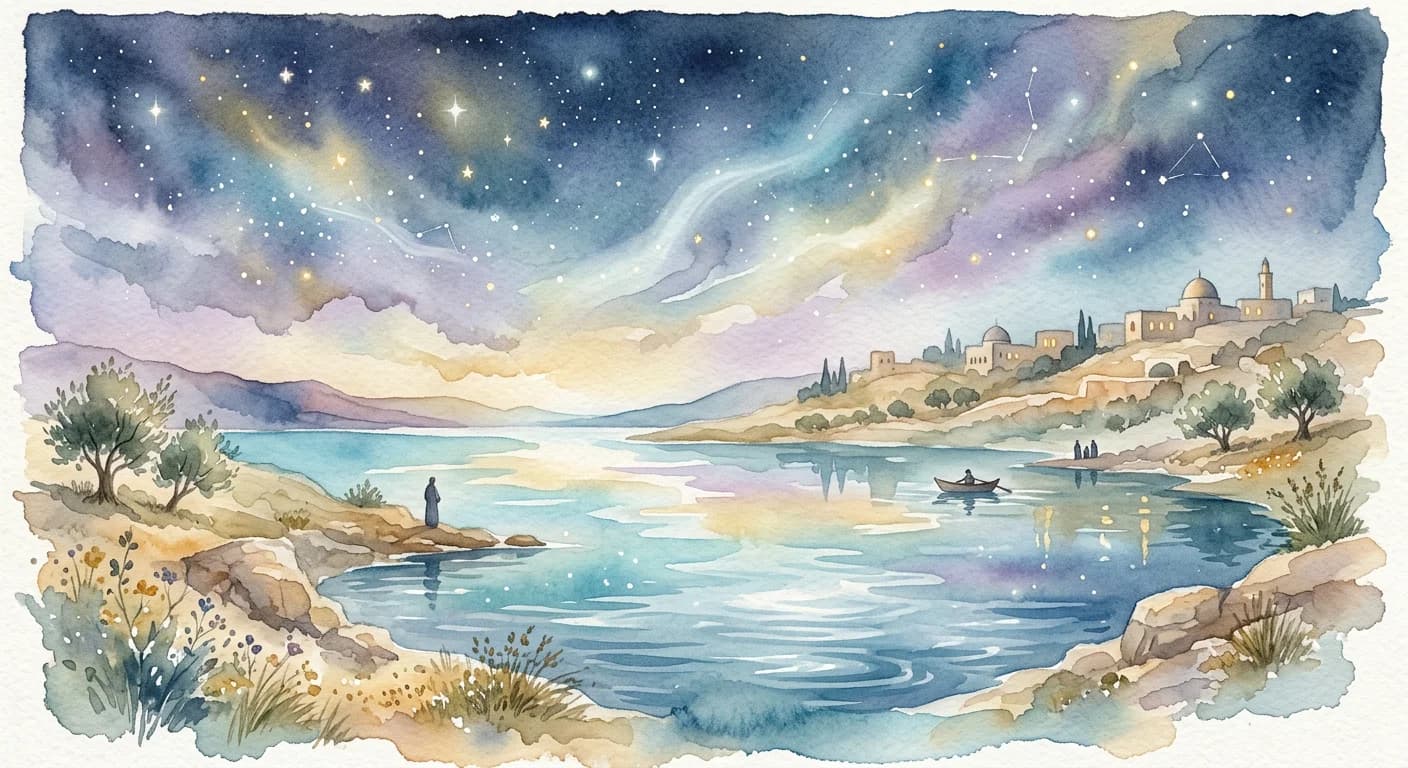
    Artistic representation of Shalom
    Hebrew•
    🇮🇱Israel

    Shalom

    /shah-LOHM/

    Meaning

    More than a simple greeting or farewell, 'Shalom' encapsulates a profound, holistic sense of peace, harmony, and well-being. It extends far beyond the mere absence of conflict, signifying a state of wholeness and completeness that encompasses personal tranquility, communal solidarity, and even cosmic balance. The word carries the weight of divine blessing and a deep, active yearning for tranquility in all aspects of life, reflecting a profound spiritual aspiration. Its resonance lies in this all-encompassing embrace of peace, making any direct English translation feel inherently insufficient.

    Literal Translation

    peace, wholeness, completeness

    The Story Behind the Word

    The word 'Shalom' is deeply embedded in the historical narrative and theological foundations of the Jewish people, emerging from a culture that has frequently experienced conflict and displacement. Its prevalence reflects a profound yearning for stability, security, and a divinely ordained state of well-being. In ancient Israelite thought, 'Shalom' was not merely an emotional state but a tangible condition of prosperity, health, and harmonious relationships with both God and fellow humans. It reveals a worldview where true peace is not passive, but an active pursuit of justice, righteousness, and the restoration of what is broken, serving as a constant aspiration for a perfected world, a 'tikkun olam'. This word is a testament to resilience and an enduring hope for ultimate redemption and wholeness.

    Experience It

    Greeting an Elder

    Upon entering a synagogue, a young man bows slightly and says, 'Shalom, Rabbi.' The greeting conveys not just 'hello,' but a wish for the Rabbi's continued health, wisdom, and spiritual well-being, acknowledging his revered place in the community.

    After a Difficult Discussion

    Following a heated community meeting about a sensitive issue, a participant turns to another, offering softly, 'Shalom.' It's an implicit plea to let go of lingering animosity, to restore harmony, and to move forward with a shared understanding, even if full agreement wasn't reached.

    The Deeper Meaning

    The concept of 'Shalom' reveals a philosophy where true existence is found in completeness and interconnectedness. It posits that individual well-being is intrinsically linked to communal harmony and a right relationship with the divine. This isn't a passive state, but an active, ongoing endeavor to mend the world and bring about a state where all elements are in their proper, blessed alignment.

    Did You Know?

    The modern name 'Jerusalem' (Yerushalayim in Hebrew) is often interpreted to mean 'City of Peace' or 'Foundation of Peace,' directly incorporating the root of 'Shalom' into its very identity.

    How It's Used

    Used as both a greeting and a farewell in Hebrew, and as a general expression of peace.

    Emotions
    belonging,hope,peace,serenity
    Contexts
    family,farewell,friendship,greeting
    🇮🇱Israel

    by Sofia Rossi·Written Mar 14, 2026·Updated Apr 3, 2026

    Related Words

    Explore more
    Dolce far nienteItalian

    Dolce far niente captures the profound joy and effortless pleasure derived from simply existing without obligation or purpose. It's the art of savoring moments of pure, unadulterated idleness – lying in the sun, watching the clouds drift, or enjoying a leisurely coffee – not as a break from work, but as a valuable state in itself. This 'sweetness of doing nothing' is a conscious embrace of stillness and contentment, allowing the soul to breathe and the senses to fully engage with the present.

    SobremesaSpanish

    Sobremesa is the cherished, often extended period immediately following a meal, particularly lunch or dinner, where diners remain seated at the table to enjoy conversation, coffee, and digest not just the food, but the company itself. It’s a dedicated time for unhurried social bonding, storytelling, and shared laughter, transforming a simple meal into a profound communal experience. Far from just clearing the dishes, sobremesa is an integral part of Spanish social life, often lasting for hours.

    UbuntuZulu/Xhosa

    Ubuntu is a profound African philosophy that translates to 'I am because we are,' signifying that an individual's humanity is inextricably linked to the humanity of others. It embodies the belief that our existence and well-being are deeply intertwined with the community. This concept emphasizes compassion, reciprocity, dignity, and the understanding that true fulfillment is found not in isolation, but through collective flourishing and mutual support. It's a call to recognize and affirm the humanity in everyone, fostering a sense of interconnectedness.

    TarofPersian

    Tarof is a deeply ingrained Iranian social custom, a delicate dance of politeness and deference where individuals engage in an elaborate exchange of offers and refusals. It's a performative humility, a way of showing respect and avoiding imposing, often involving multiple cycles of insistence and polite decline before a genuine acceptance or refusal is reached. This intricate ritual governs interactions from sharing food to paying bills, creating a nuanced social ballet.