U.
HomeRegionsLanguagesEmotionsCollections
Find Your Word

“The limits of my language mean the limits of my world.”

— Ludwig Wittgenstein, Philosopher

Untranslatable

A curated collection of the world's most beautiful expressions—words that remind us language is humanity's greatest invention.

  • Home
  • Collections
  • Regions
  • Countries
  • Emotions
  • Tags
  • Contexts
  • Finder
  • Europe
  • Asia
  • Americas
  • Africa
  • Middle East
  • About
  • Contact
  • Privacy Policy
  • Terms of Service

2026 © Untranslatable. All rights reserved.

    /
    /
    1. Home
    2. /
    3. Middle East
    4. /
    5. Gevurah
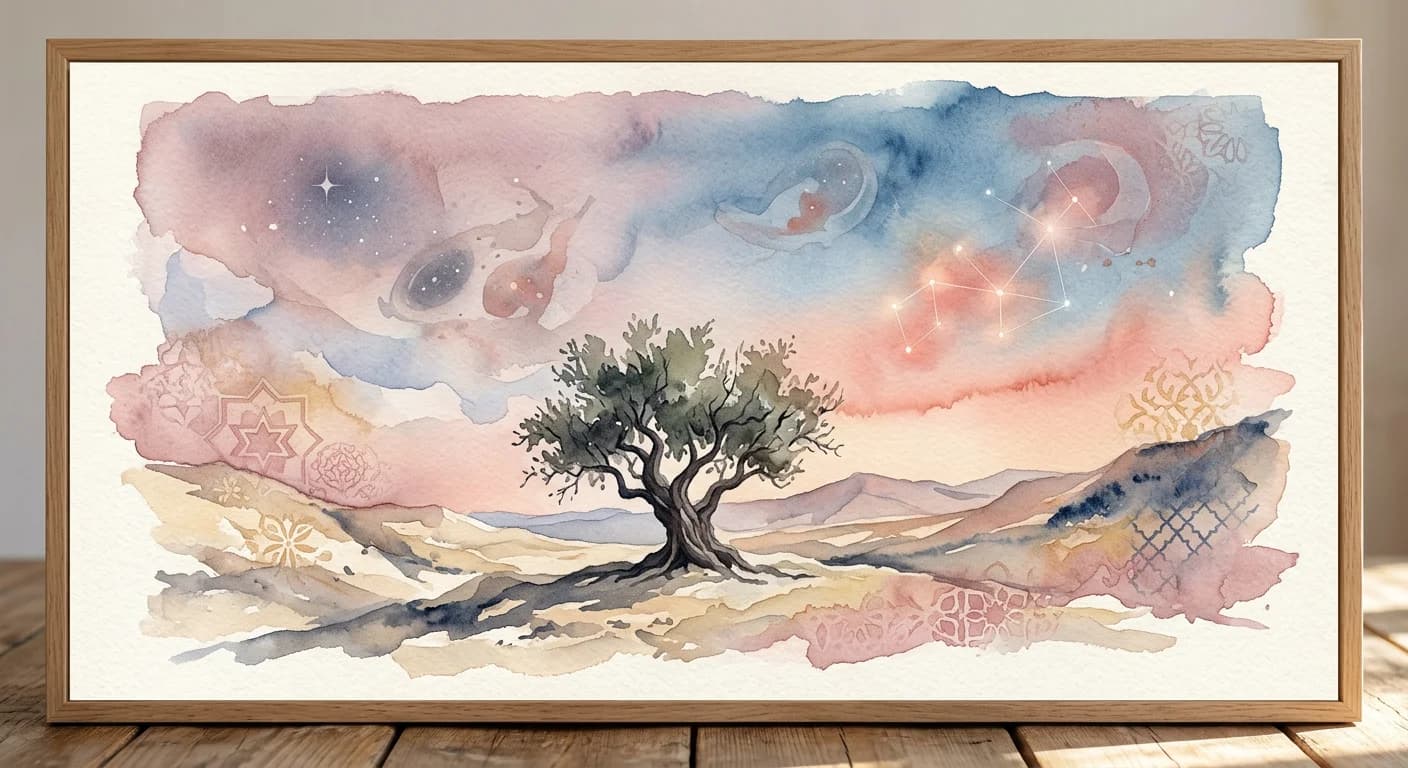
    Artistic representation of Gevurah
    Hebrew•
    🇮🇱Israel

    Gevurah

    /geh-VOO-rah/

    Meaning

    Gevurah is a fundamental Kabbalistic concept embodying divine strength, judgment, and the power of limitation. It represents the cosmic force that constrains the infinite, formless light (Chesed) to create a structured, ordered universe, preventing chaos. In human experience, Gevurah manifests as the spiritual discipline and self-control required to act with justice, discernment, and moral fortitude, even when facing internal temptations or external pressures. It is the capacity to set necessary boundaries, exercise restraint, and enforce accountability, reflecting a powerful, often stern, spiritual courage.

    Literal Translation

    Strength, might, power

    The Story Behind the Word

    Gevurah is one of the ten Sefirot, the divine emanations or attributes through which God interacts with the world, central to Jewish mystical thought (Kabbalah). Its existence reflects a profound understanding within Jewish philosophy that creation is not merely an outpouring of infinite goodness, but requires a counterbalancing force of restraint and structure. Without Gevurah, the divine light would be too overwhelming, preventing the formation of distinct entities and free will. This concept reveals a worldview that values balance: compassion (Chesed) must be tempered by discipline (Gevurah) for true justice and order to prevail. It underscores the Jewish emphasis on law, ethical conduct, and the constant striving for moral perfection through self-mastery.

    Experience It

    The Just Judge

    A judge, despite personal sympathy for the defendant, delivers a stern but fair sentence based strictly on the law and evidence. This act requires Gevurah, the disciplined strength to uphold justice and set boundaries, even when emotional impulses tug towards leniency.

    Resisting Temptation

    Faced with a lucrative but unethical business opportunity, a person firmly declines, prioritizing integrity over immediate gain. This demonstration of Gevurah highlights the internal power to say 'no' to self-interest and adhere to moral principles, exercising self-restraint and accountability.

    The Deeper Meaning

    Gevurah reveals a profound philosophy of creation and human nature, positing that true existence and ethical action are born from the interplay of opposing forces: boundless love and disciplined restraint. It suggests that freedom and order are not mutually exclusive but co-dependent, with self-control being the prerequisite for genuine moral agency and a structured, meaningful life. It's the understanding that too much of a good thing can be destructive without proper boundaries.

    Did You Know?

    In Kabbalah, Gevurah is often associated with the color red and the left side of the Tree of Life, symbolizing its fiery, restrictive, and judgmental qualities.

    How It's Used

    Used in Jewish philosophy, mysticism (Kabbalah), and ethical discourse to describe divine attributes and human character traits related to strength, judgment, and self-control.

    Emotions
    gratitude,peace,serenity
    Contexts
    philosophy,solitude,work
    🇮🇱Israel

    by Sofia Rossi·Written Mar 14, 2026·Updated Apr 3, 2026

    Related Words

    Explore more
    Dolce far nienteItalian

    Dolce far niente captures the profound joy and effortless pleasure derived from simply existing without obligation or purpose. It's the art of savoring moments of pure, unadulterated idleness – lying in the sun, watching the clouds drift, or enjoying a leisurely coffee – not as a break from work, but as a valuable state in itself. This 'sweetness of doing nothing' is a conscious embrace of stillness and contentment, allowing the soul to breathe and the senses to fully engage with the present.

    Pura vidaSpanish

    More than just 'pure life,' "Pura vida" encapsulates a profound philosophy of embracing the present moment with unwavering optimism and gratitude. It's a daily commitment to finding joy in simple pleasures, accepting life's challenges with a positive spirit, and prioritizing well-being over material possessions. This ubiquitous phrase reflects a national identity built on resilience, community, and an deep appreciation for nature's bounty.

    TarofPersian

    Tarof is a deeply ingrained Iranian social custom, a delicate dance of politeness and deference where individuals engage in an elaborate exchange of offers and refusals. It's a performative humility, a way of showing respect and avoiding imposing, often involving multiple cycles of insistence and polite decline before a genuine acceptance or refusal is reached. This intricate ritual governs interactions from sharing food to paying bills, creating a nuanced social ballet.

    TarabArabic

    Tarab is far more than mere enjoyment; it's a profound, almost spiritual communion with music, where the performer and audience become one in a shared emotional journey. It signifies a state of ecstatic enchantment, a deep emotional surrender that transcends the self, leading to a transformative experience. This intense connection often manifests as spontaneous vocalizations, tears, or even physical swaying, as the music penetrates the soul and evokes a powerful release of feeling. It's a moment of pure, unadulterated musical rapture.