U.
HomeRegionsLanguagesEmotionsCollections
Find Your Word

“The limits of my language mean the limits of my world.”

— Ludwig Wittgenstein, Philosopher

Untranslatable

A curated collection of the world's most beautiful expressions—words that remind us language is humanity's greatest invention.

  • Home
  • Collections
  • Regions
  • Countries
  • Emotions
  • Tags
  • Contexts
  • Finder
  • Europe
  • Asia
  • Americas
  • Africa
  • Middle East
  • About
  • Contact
  • Privacy Policy
  • Terms of Service

2026 © Untranslatable. All rights reserved.

    /
    /
    1. Home
    2. /
    3. Middle East
    4. /
    5. Hom
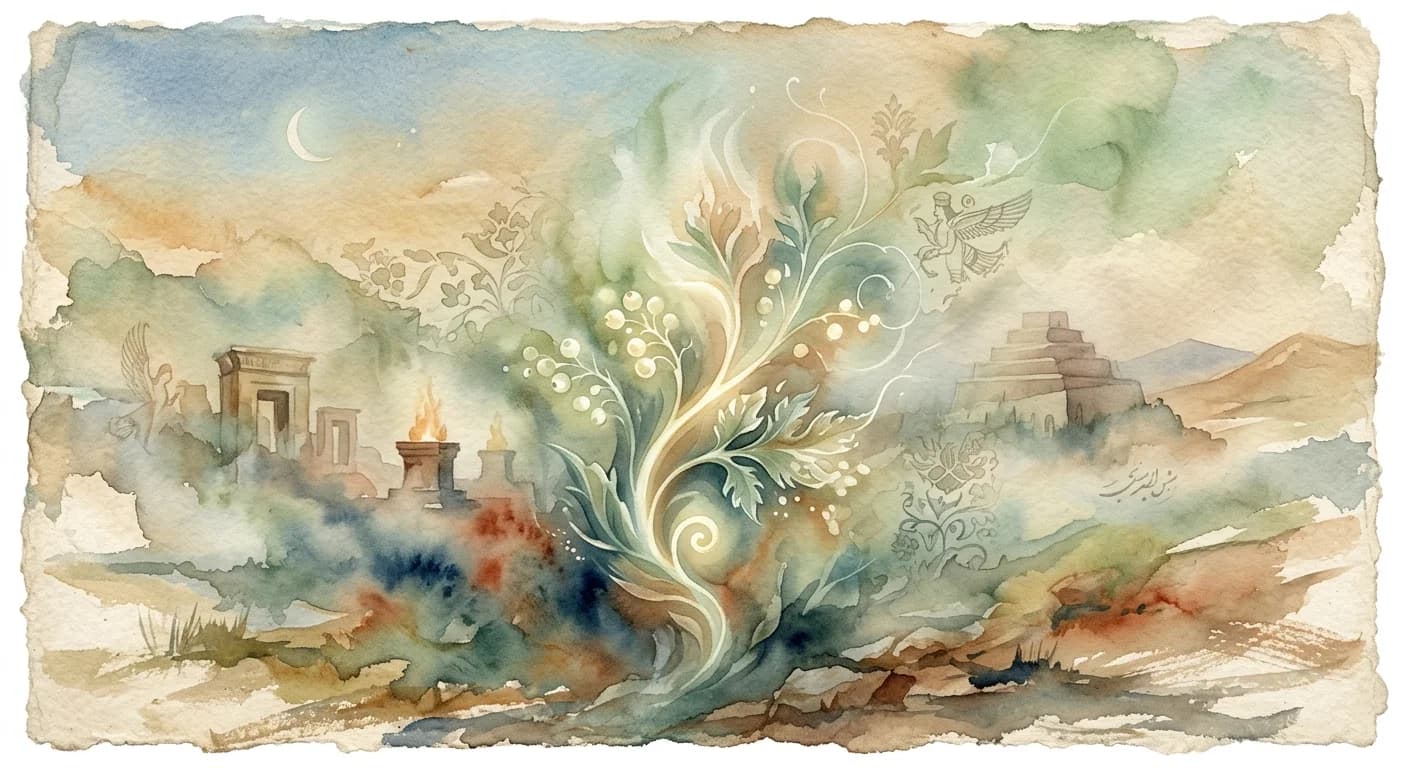
    Artistic representation of Hom
    Avestan•
    🇮🇷Iran

    Hom

    /HOM/

    Meaning

    In Avestan, "Hom" transcends a mere botanical reference, embodying the sacred plant Haoma, a central pillar of ancient Zoroastrian rituals and mythology. This revered entity was believed to bestow divine gifts of strength, immortality, and profound wisdom upon its imbibers. Personified as a powerful deity, Hom represented spiritual purity and immense power, with its meticulous preparation and offering forming the very bedrock of ancient worship. It signifies a potent conduit between the earthly and the divine, a quest for spiritual elevation through sacred practice.

    Literal Translation

    Haoma plant

    The Story Behind the Word

    The concept of Hom is deeply interwoven with early Iranian religious thought, reflecting a worldview where the natural world was imbued with divine essence. Its existence reveals a culture that sought transcendence and connection to the divine through tangible, ritualistic means. The reverence for Hom suggests a belief in a reciprocal relationship between humanity and the gods, where proper ritual and offerings could secure blessings and even immortality. This sacred plant-deity embodied the vital life force and the cosmic order, demonstrating a profound ecological and spiritual awareness. The Homa ritual was not just an act of worship, but a re-enactment of creation and a path to spiritual renewal, underscoring the importance of purity and cosmic harmony in Zoroastrianism.

    Experience It

    Priestly Hom Offering

    At the dawn of the festival, the Zaoštar meticulously prepared the Hom, crushing its stalks with a mortar and pestle, chanting ancient Avestan verses. He believed that with each drop of the sacred juice, the divine spirit of Hom would empower the community, warding off evil and ensuring a bountiful harvest.

    Warrior's Sacred Drink

    Before battle, the courageous warrior partook of the Hom, feeling a surge of divine strength coursing through his veins. He knew that this sacred draught, blessed by the gods, would grant him unwavering courage and protection against his adversaries, making him an instrument of righteousness.

    The Deeper Meaning

    Hom reveals a philosophy centered on the immanence of the divine within the natural world and the transformative power of ritual. It underscores the belief that humanity can actively participate in maintaining cosmic order and achieving spiritual enlightenment through sacred practices. The plant-deity embodies the concept of a living, potent divinity accessible through earthly means, suggesting a holistic worldview where material and spiritual realms are deeply intertwined and mutually influential.

    Did You Know?

    The identity of the actual 'Haoma' plant remains a mystery, with scholars proposing various candidates from ephedra to wild rue, showcasing the enduring enigma at the heart of this ancient ritual.

    How It's Used

    The word 'Hom' is primarily found in ancient Avestan texts, particularly in hymns and liturgical passages detailing rituals and mythology associated with the Haoma plant.

    Emotions
    gratitude,peace,wonder
    Contexts
    celebration,nature,religion
    🇮🇷Iran

    by Kwame Nkrumah·Written Mar 14, 2026·Updated Apr 3, 2026

    Related Words

    Explore more
    Dolce far nienteItalian

    Dolce far niente captures the profound joy and effortless pleasure derived from simply existing without obligation or purpose. It's the art of savoring moments of pure, unadulterated idleness – lying in the sun, watching the clouds drift, or enjoying a leisurely coffee – not as a break from work, but as a valuable state in itself. This 'sweetness of doing nothing' is a conscious embrace of stillness and contentment, allowing the soul to breathe and the senses to fully engage with the present.

    Pura vidaSpanish

    More than just 'pure life,' "Pura vida" encapsulates a profound philosophy of embracing the present moment with unwavering optimism and gratitude. It's a daily commitment to finding joy in simple pleasures, accepting life's challenges with a positive spirit, and prioritizing well-being over material possessions. This ubiquitous phrase reflects a national identity built on resilience, community, and an deep appreciation for nature's bounty.

    TarofPersian

    Tarof is a deeply ingrained Iranian social custom, a delicate dance of politeness and deference where individuals engage in an elaborate exchange of offers and refusals. It's a performative humility, a way of showing respect and avoiding imposing, often involving multiple cycles of insistence and polite decline before a genuine acceptance or refusal is reached. This intricate ritual governs interactions from sharing food to paying bills, creating a nuanced social ballet.

    TarabArabic

    Tarab is far more than mere enjoyment; it's a profound, almost spiritual communion with music, where the performer and audience become one in a shared emotional journey. It signifies a state of ecstatic enchantment, a deep emotional surrender that transcends the self, leading to a transformative experience. This intense connection often manifests as spontaneous vocalizations, tears, or even physical swaying, as the music penetrates the soul and evokes a powerful release of feeling. It's a moment of pure, unadulterated musical rapture.